
Stories
Read NY Presswire’s latest coverage of technology and digital finance.
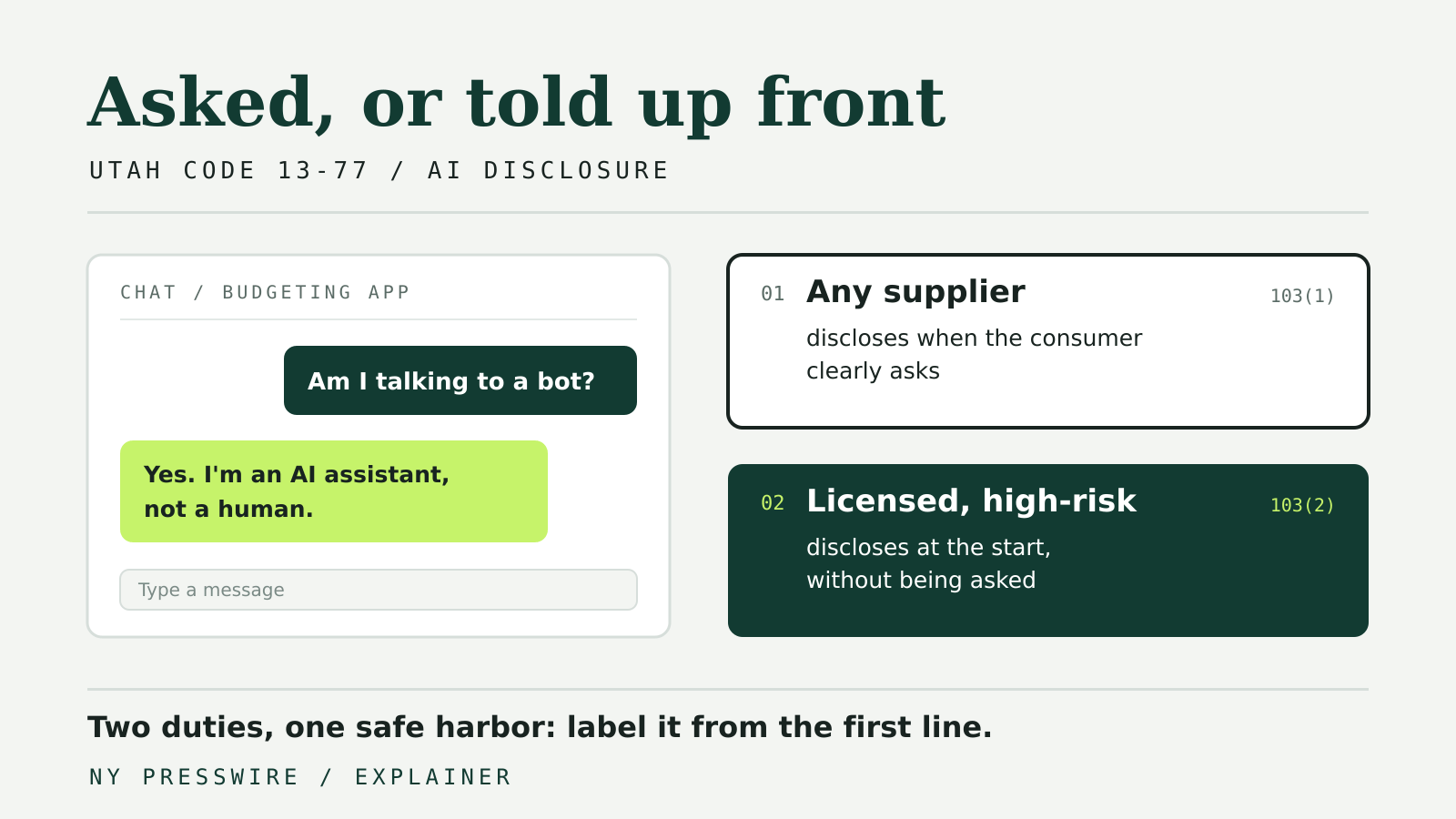
Utah AI Disclosure Law: What Fintech Chatbots Must Say
When Utah's Chapter 77 makes a chatbot say it is AI, which fintech products it misses and what the safe harbor needs.
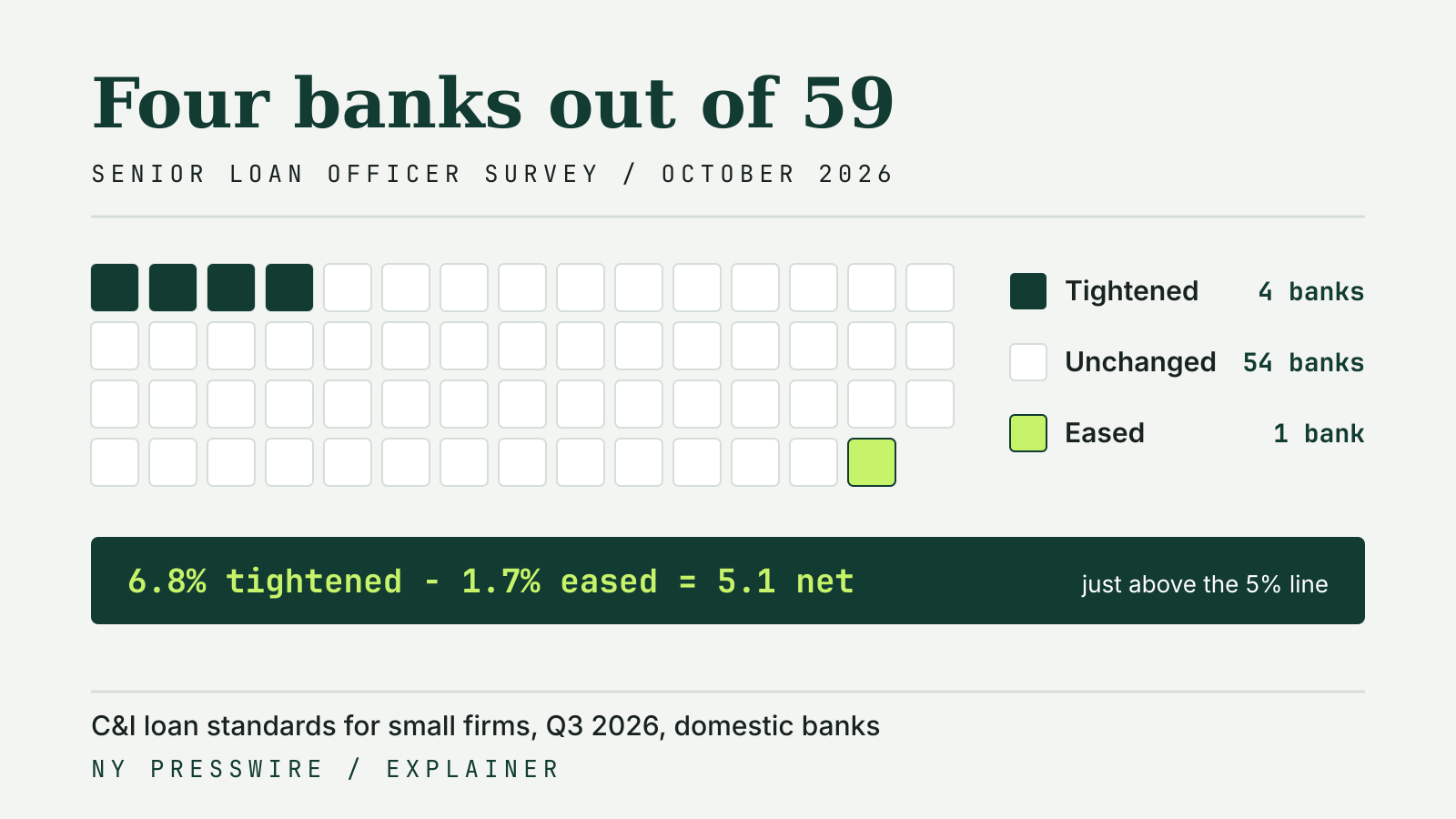
Senior Loan Officer Opinion Survey: How to Read It
How the Fed's SLOOS turns bank answers into net percentages, worked through the October 2026 survey.
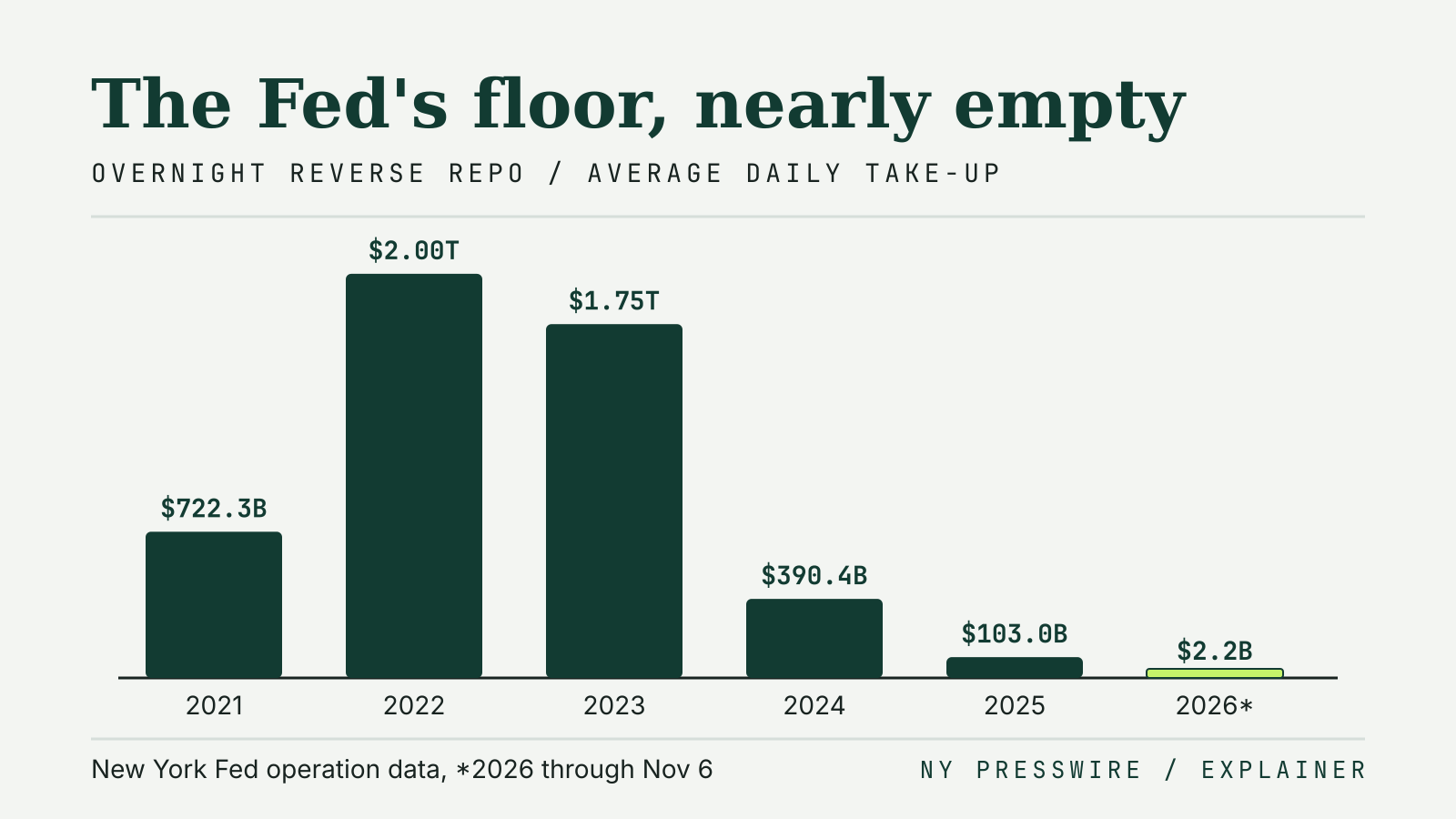
Overnight Reverse Repo Facility: Why the Fed's Floor Sits Empty
How the Fed's ON RRP sets a floor at 3.75%, and why take-up fell from $2.55T in 2022 to $150M on Nov 6, 2026.
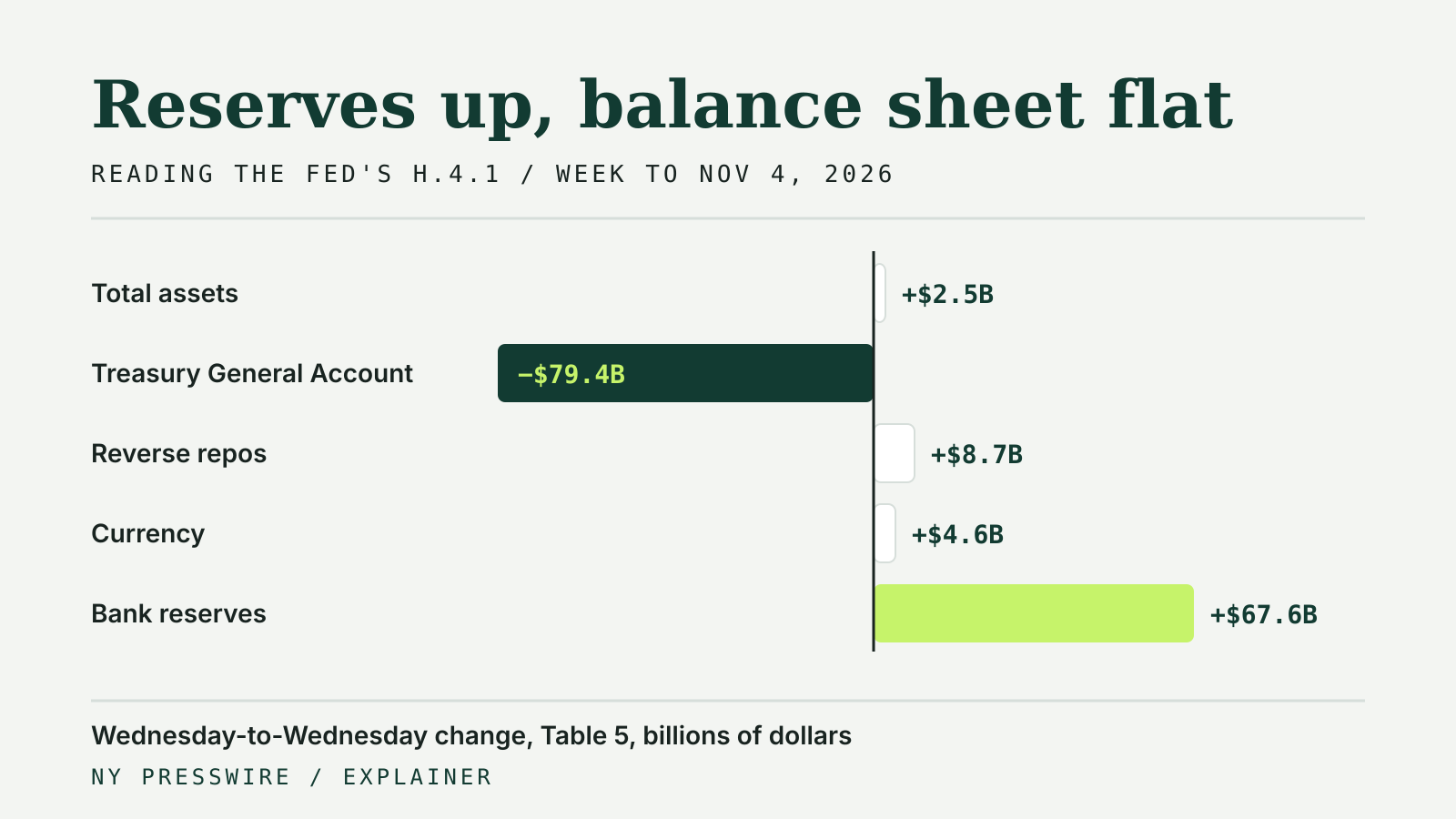
How to Read the Fed's H.4.1 Balance Sheet Release
Which H.4.1 table answers which question, worked through Nov 5, 2026: reserves up $67.6B as the TGA fell.
NYDFS Risk Assessment Guidance: What Part 500 Requires and What DFS Expects
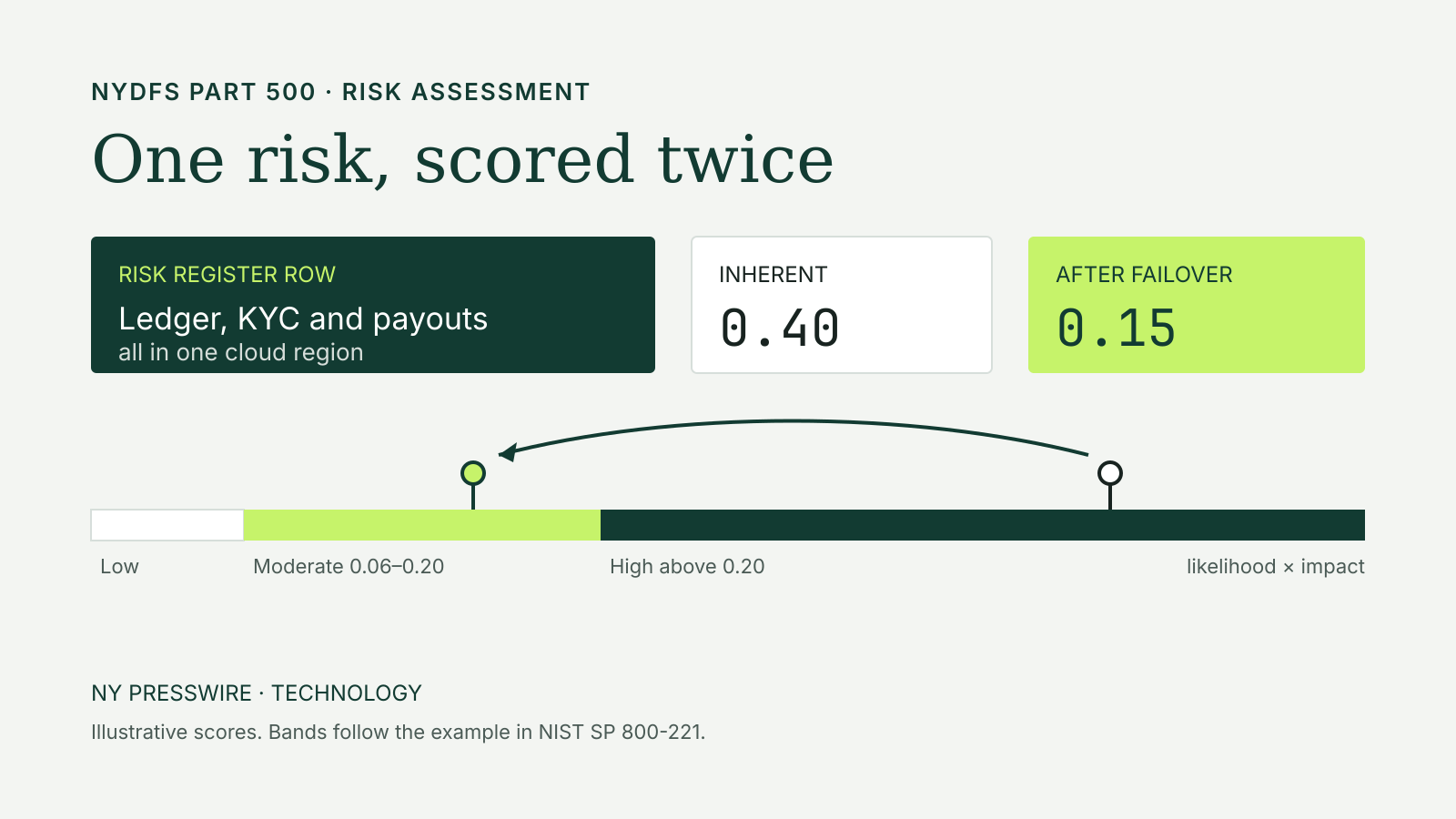
What New York's September 2026 risk assessment letter adds to Part 500, who must comply and how a risk is scored.
Treasury CUSIP Meaning: What 912797 and 91282C Tell You
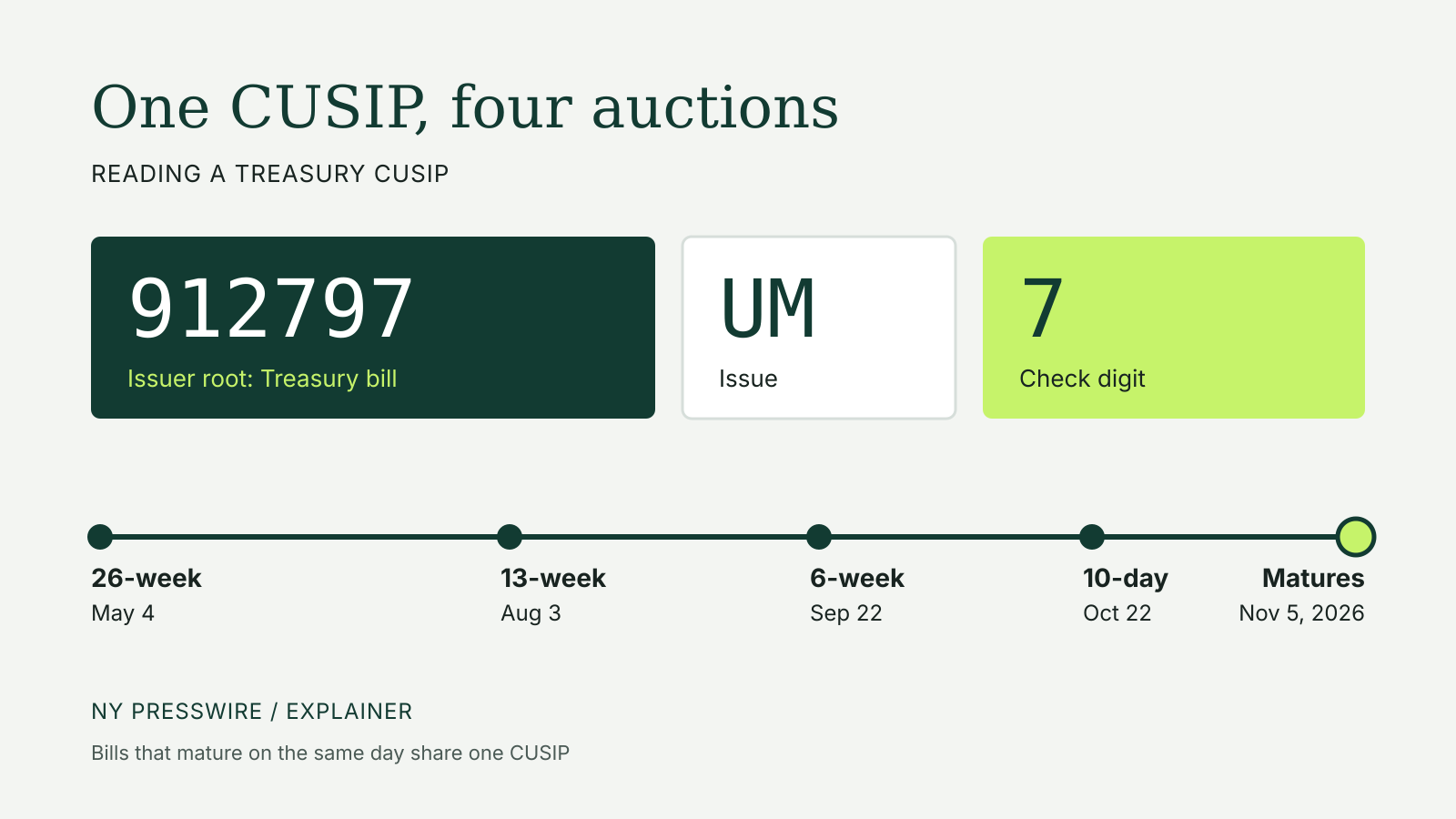
What the 912797, 91282C and 912810 roots mean, and why one T-bill CUSIP is sold at several auctions.
Treasury Floating Rate Notes: Two Clocks for Interest
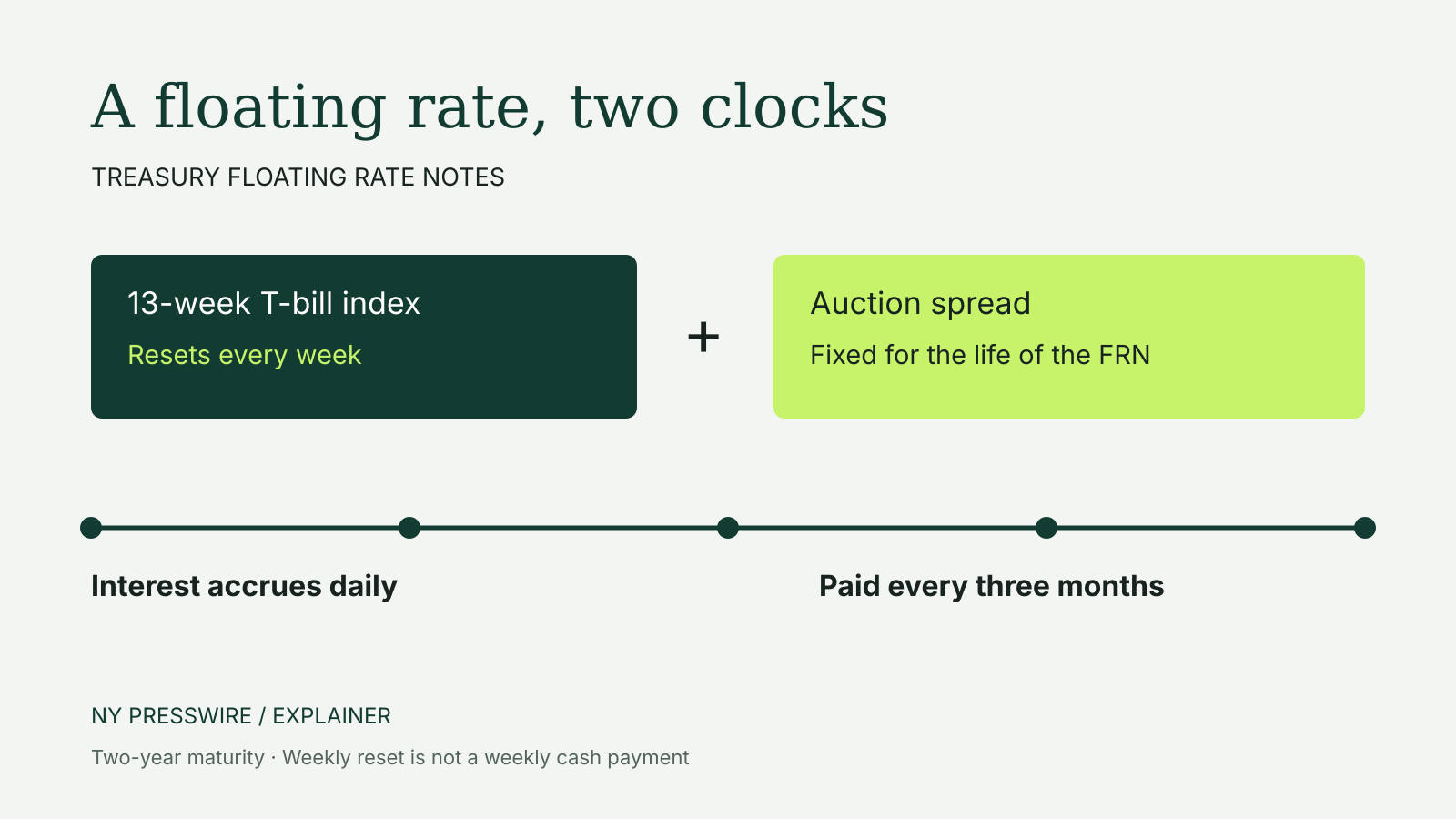
How a Treasury FRN combines a weekly-resetting index, a fixed spread and quarterly interest payments.
SEC Protocol Staking Statement: Scope and Limits
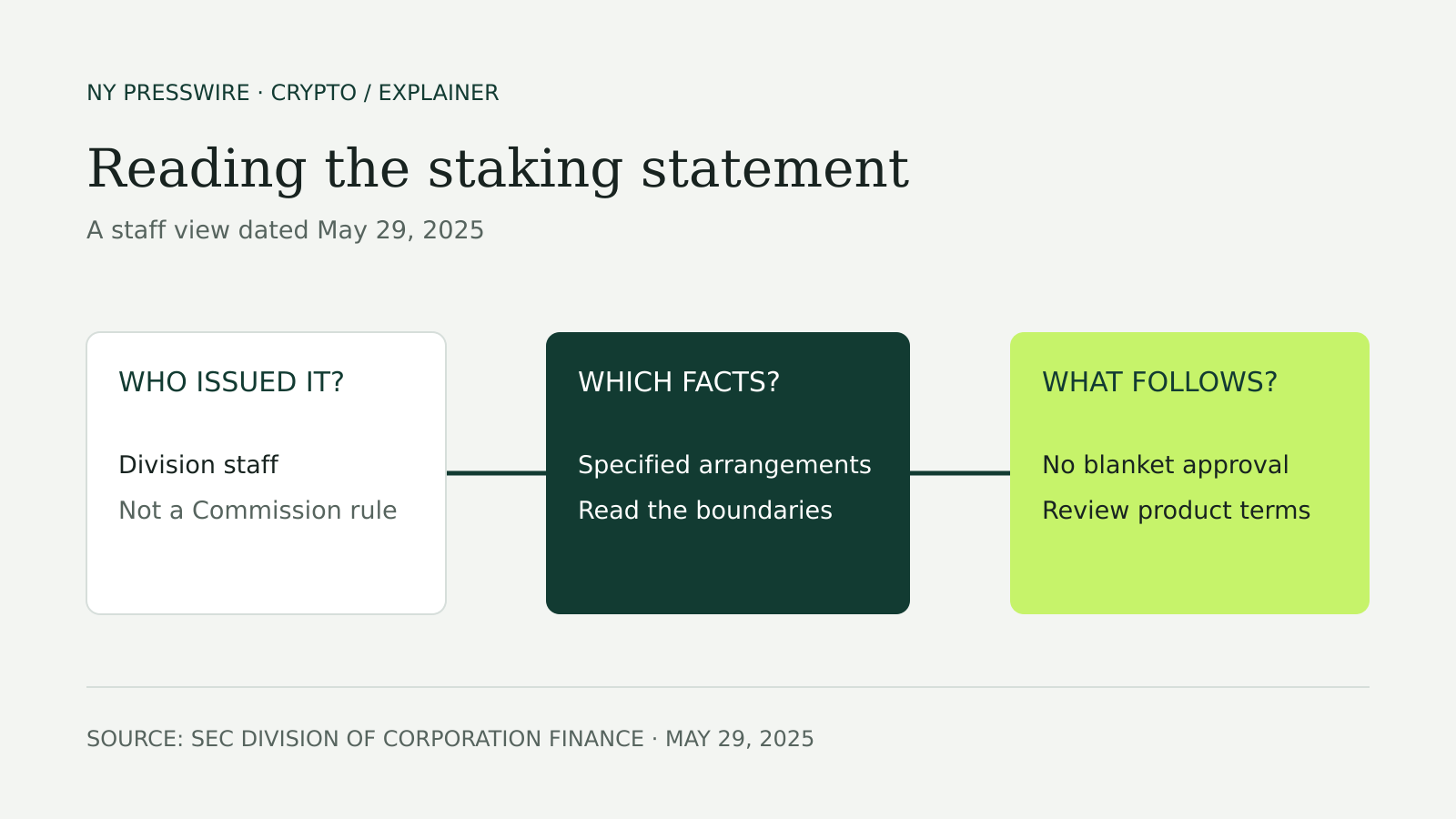
What the SEC staff's May 2025 staking statement covers, why commissioners disagreed and how to read its limits.
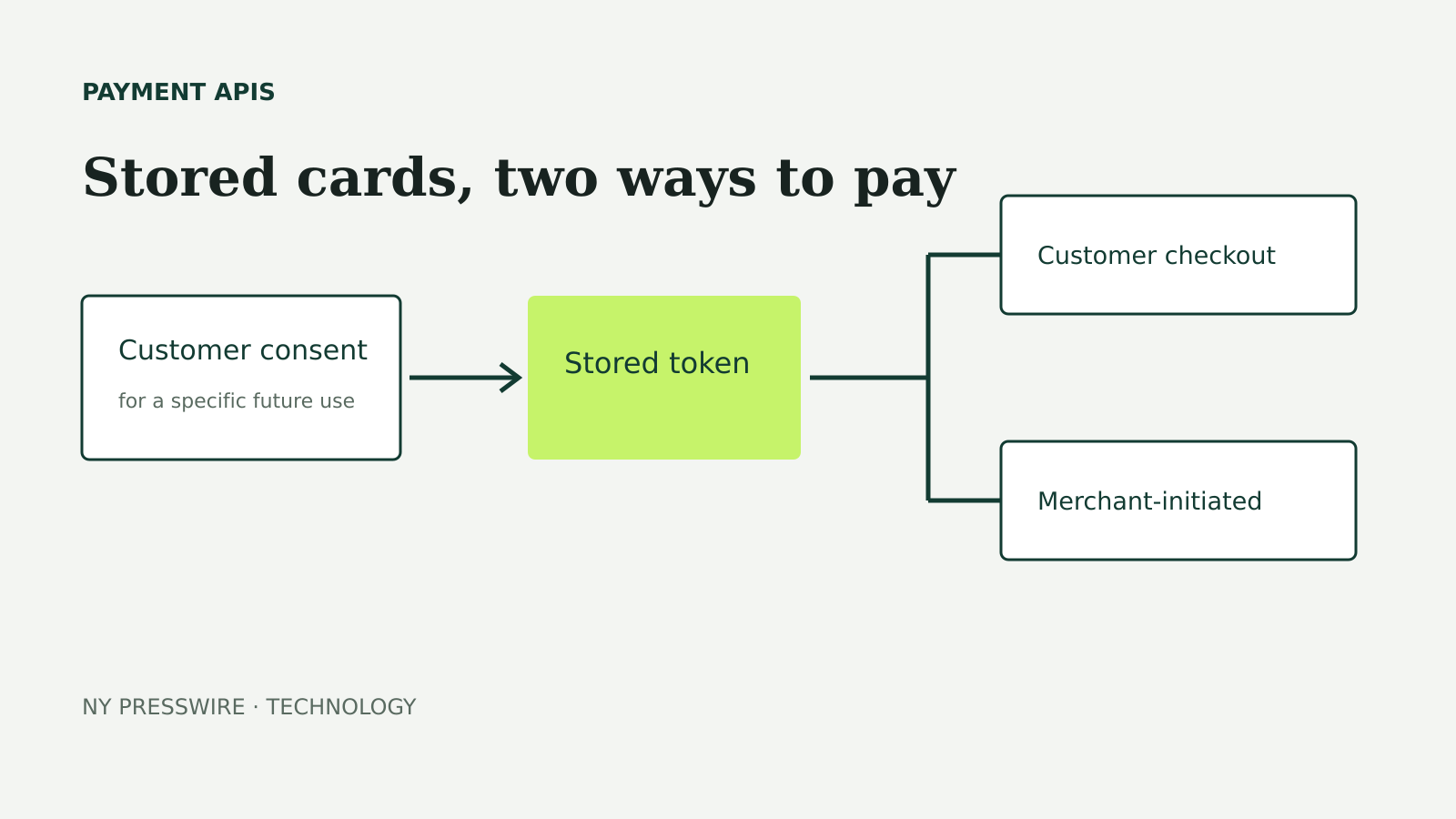
Merchant-Initiated Transactions and Stored Cards
How customer consent, stored credentials and later payment attempts fit together in Stripe and Adyen integrations.
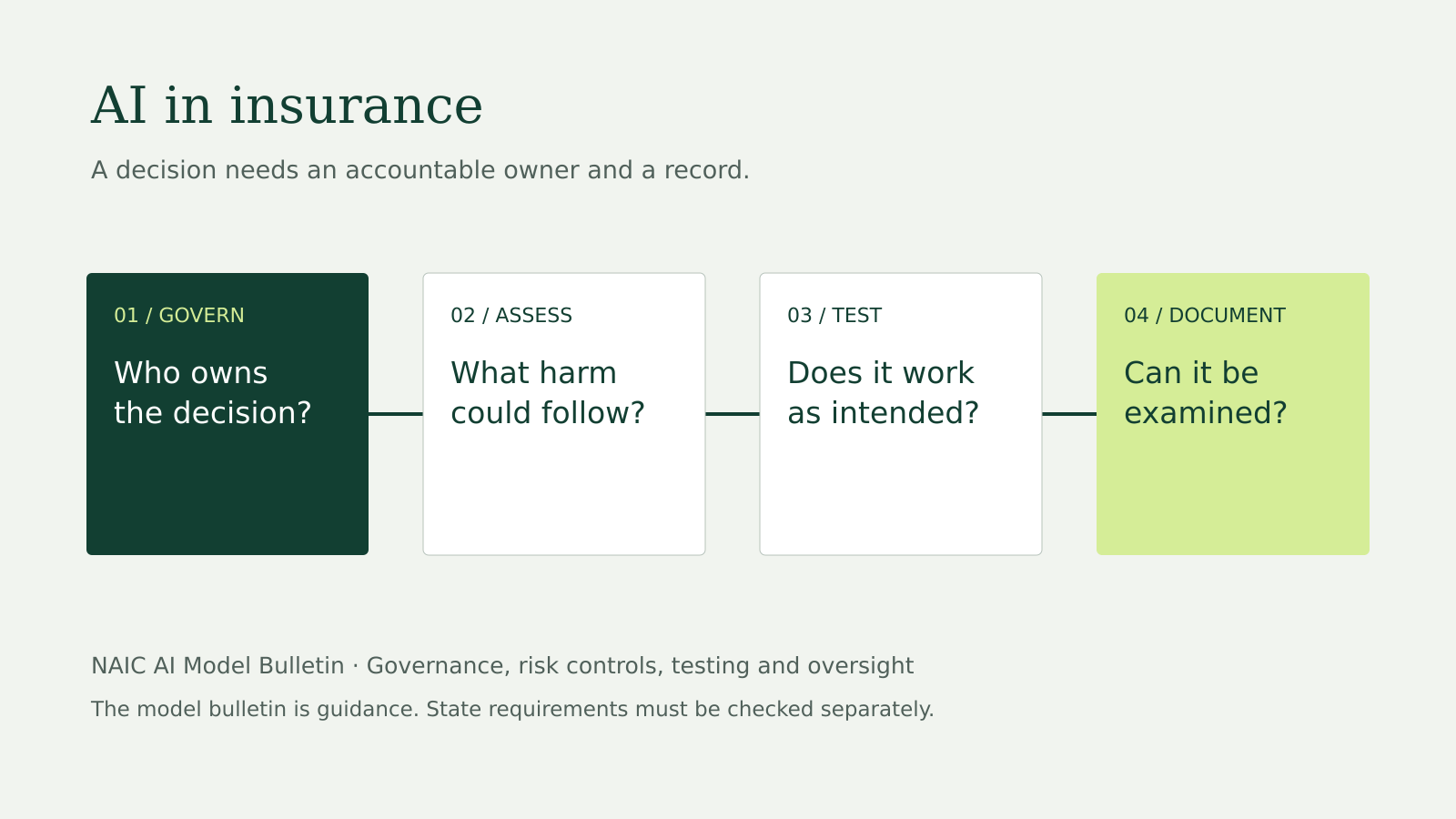
NAIC AI Model Bulletin: What Insurers Should Document
What the NAIC AI model bulletin says about governance, vendors and records, and why state rules matter.
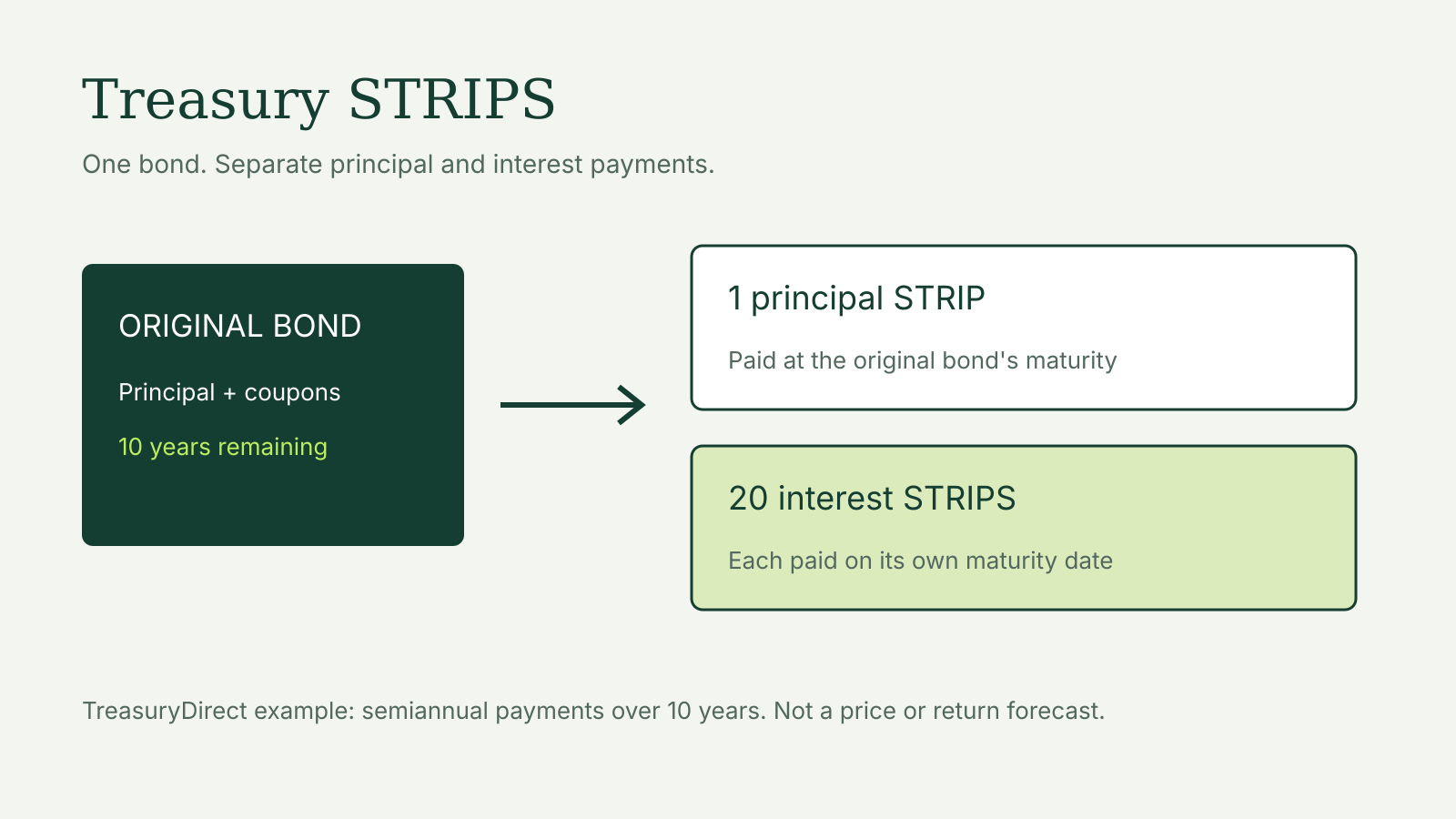
Treasury STRIPS explained: separating bond payments
How Treasury STRIPS turn principal and interest into separate securities, with one payment per component.
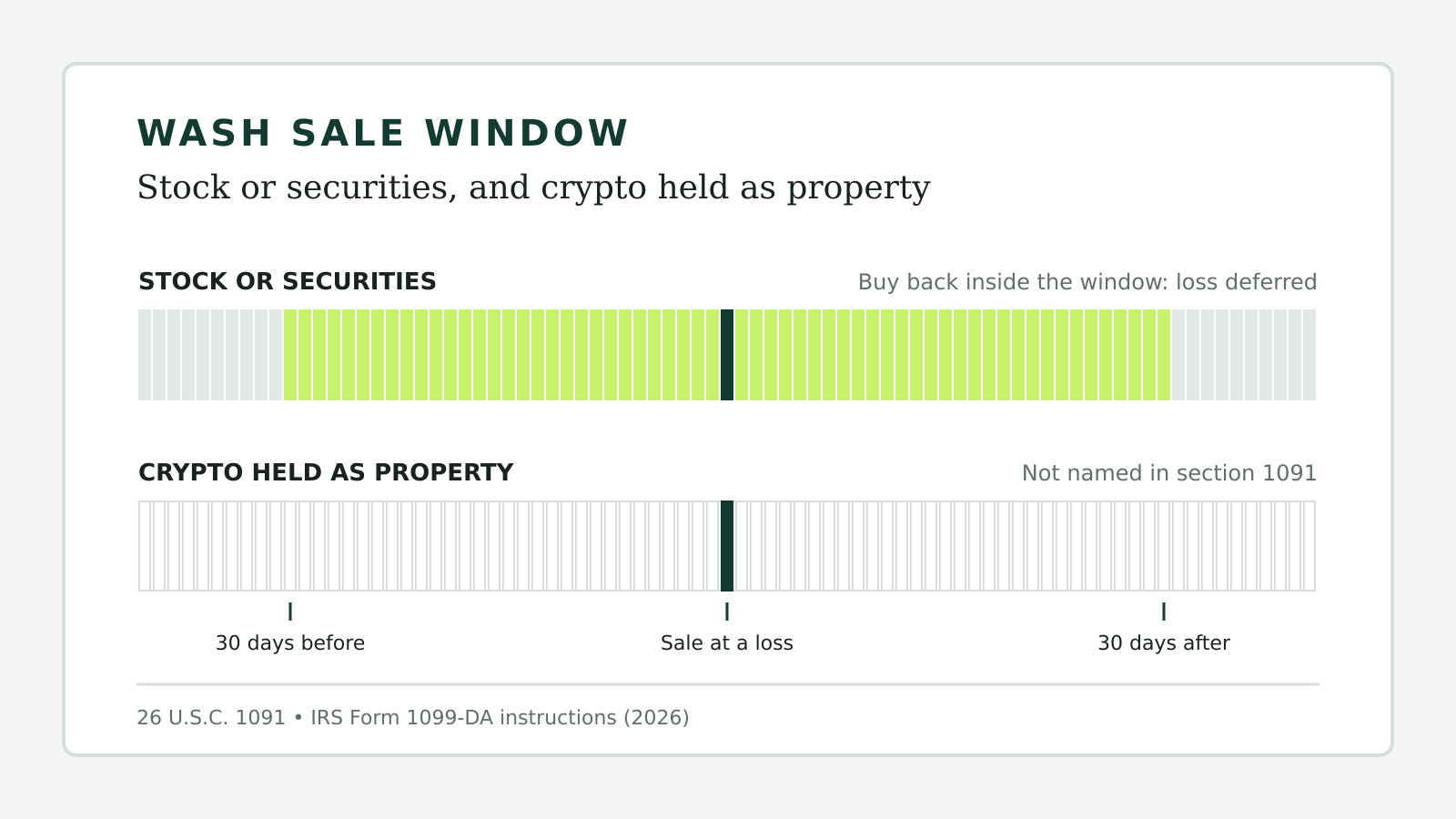
Crypto Wash Sale Rule: Does Section 1091 Apply?
What section 1091 covers, how the IRS classifies digital assets and where Form 1099-DA draws the line.
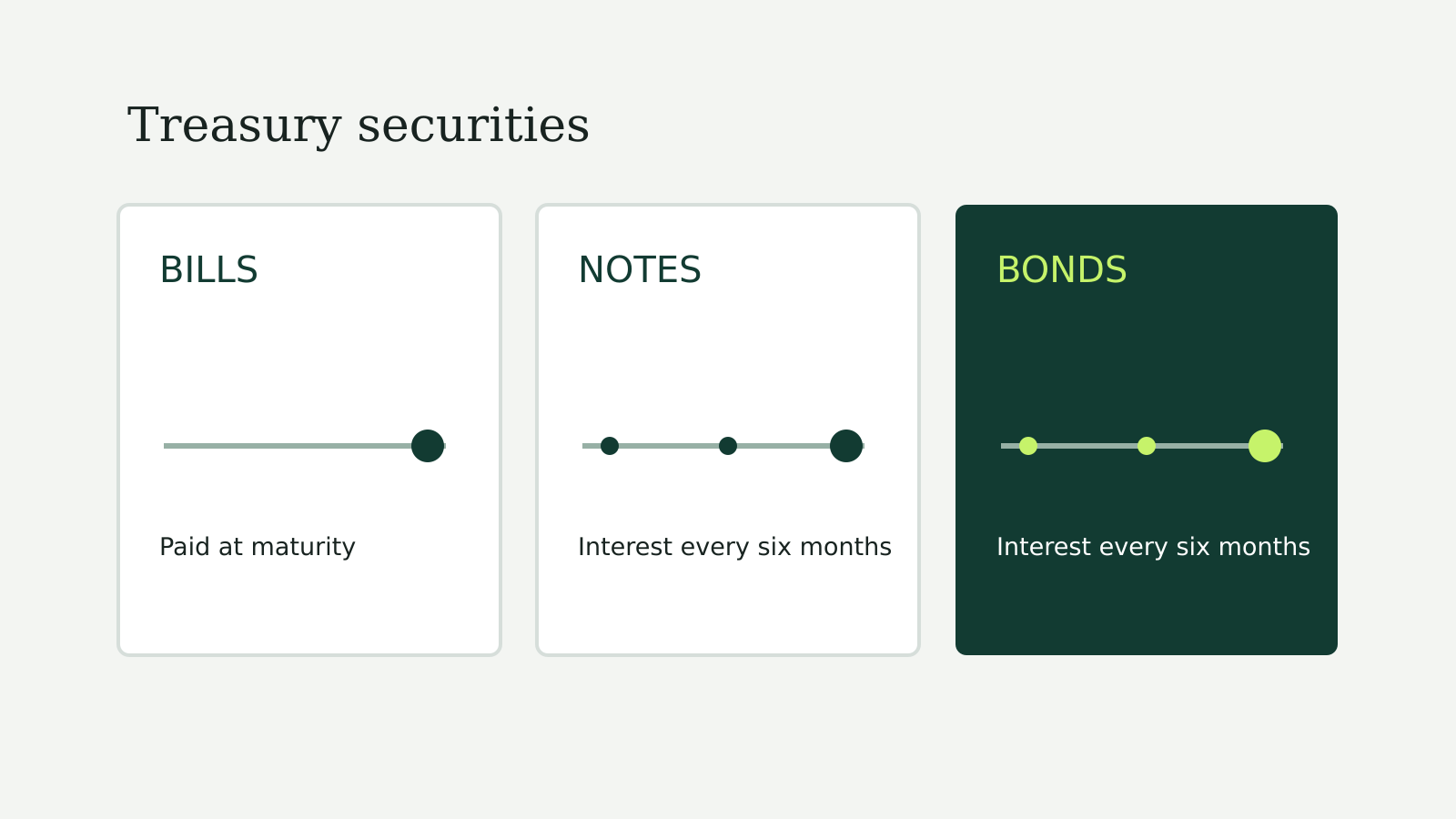
Treasury Bills vs Notes vs Bonds: Terms and Payments
Compare Treasury terms, interest payments and what happens at maturity.
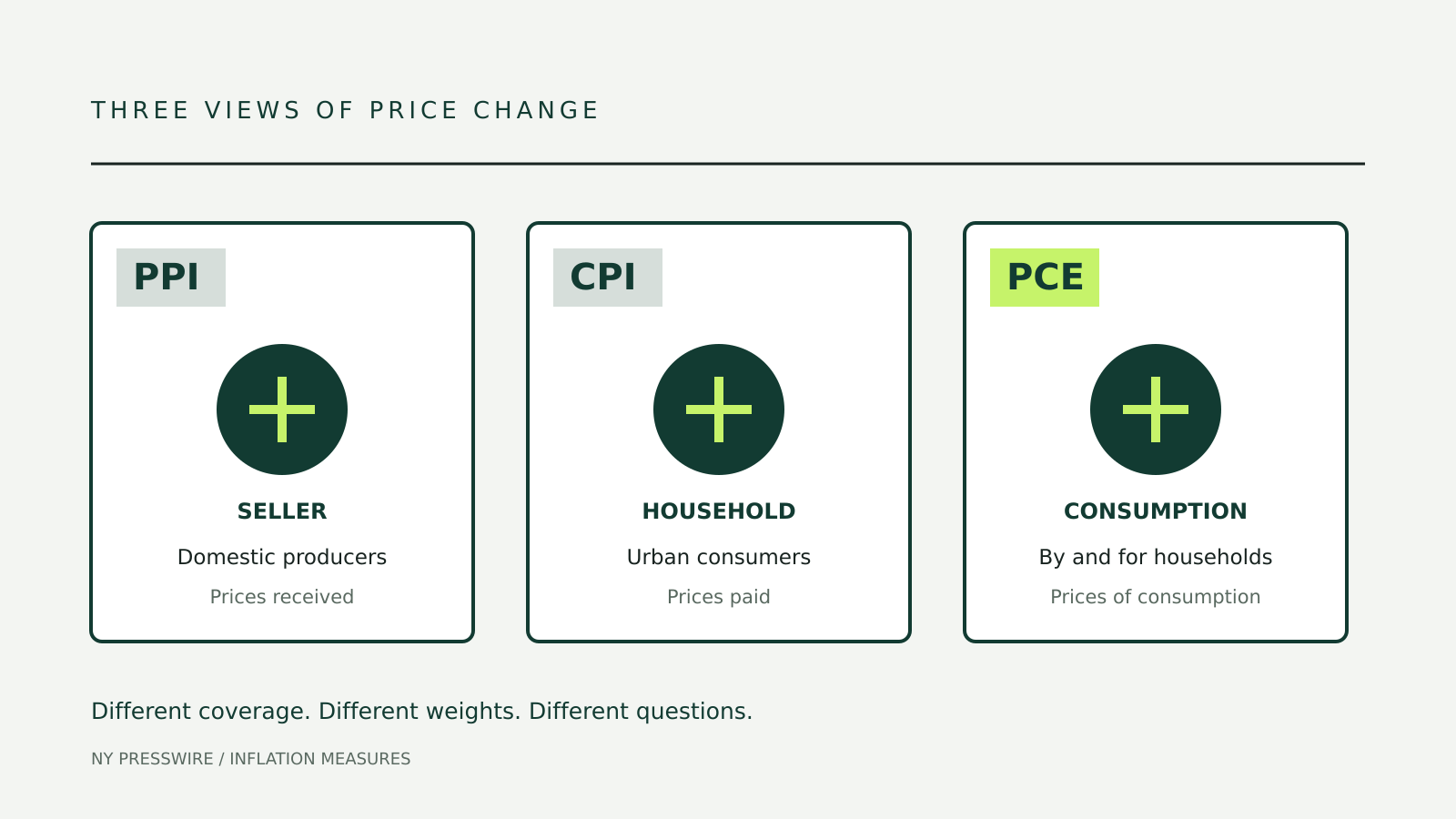
PPI vs CPI vs PCE: Three Views of US Inflation
Producer prices, household purchases and broader consumption measure different parts of US inflation.
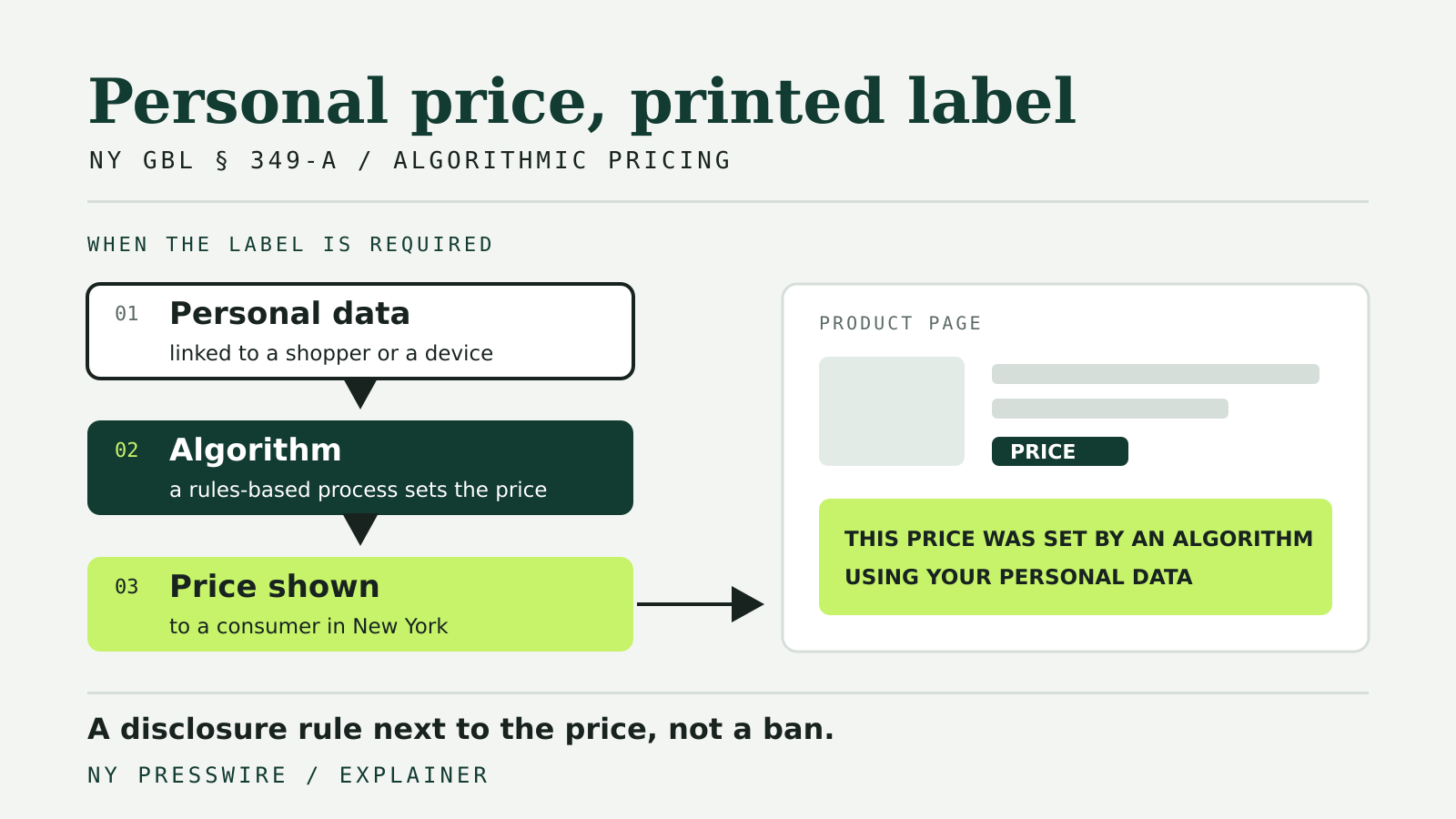
New York's Algorithmic Pricing Disclosure Law, Explained
What GBL § 349-a requires when an algorithm uses personal data to set a price, who is exempt and how it is enforced.
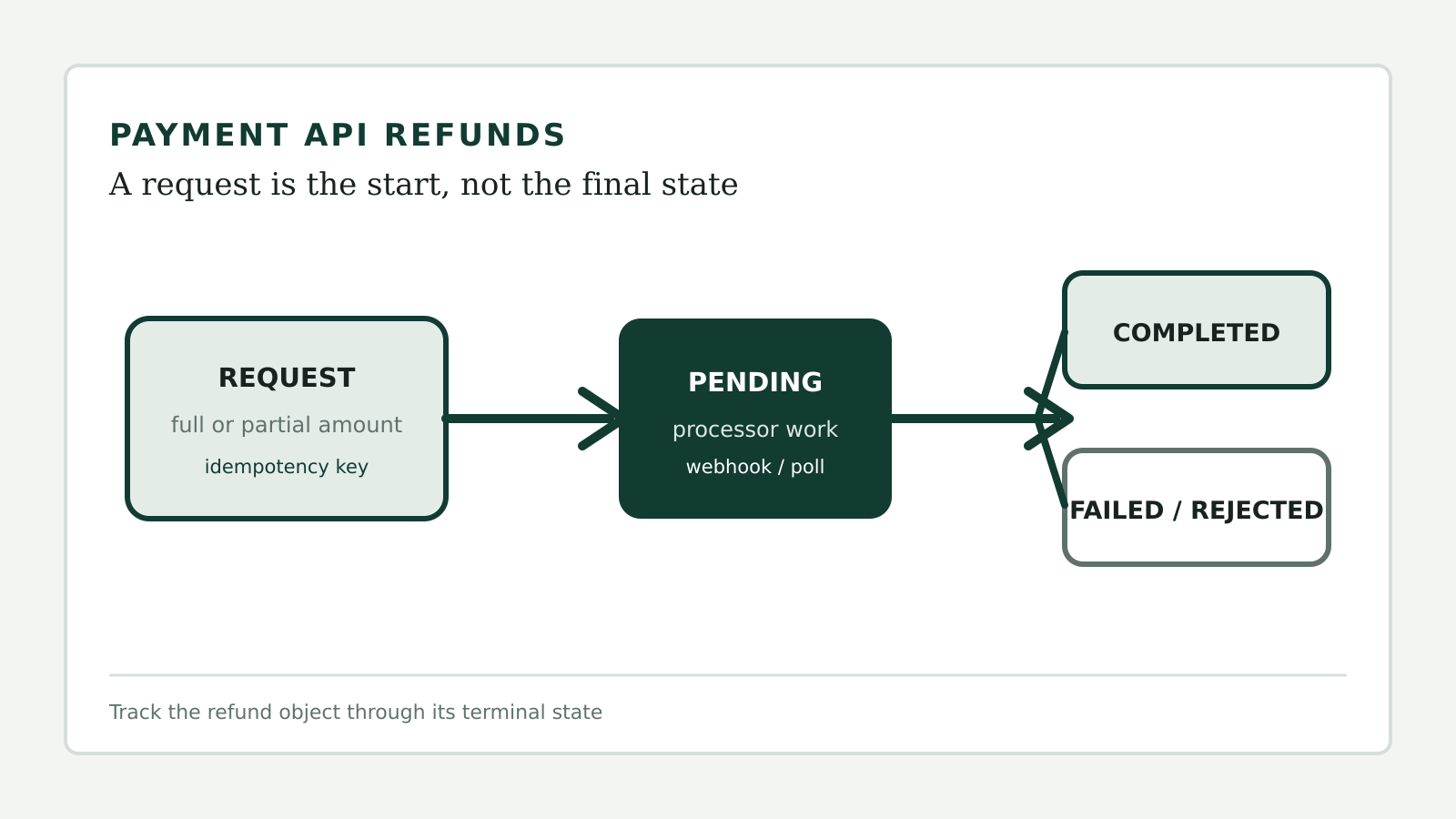
Payment API Refunds: Full, Partial and Pending States
How Stripe, Adyen, PayPal and Square handle full, partial and asynchronous refunds.
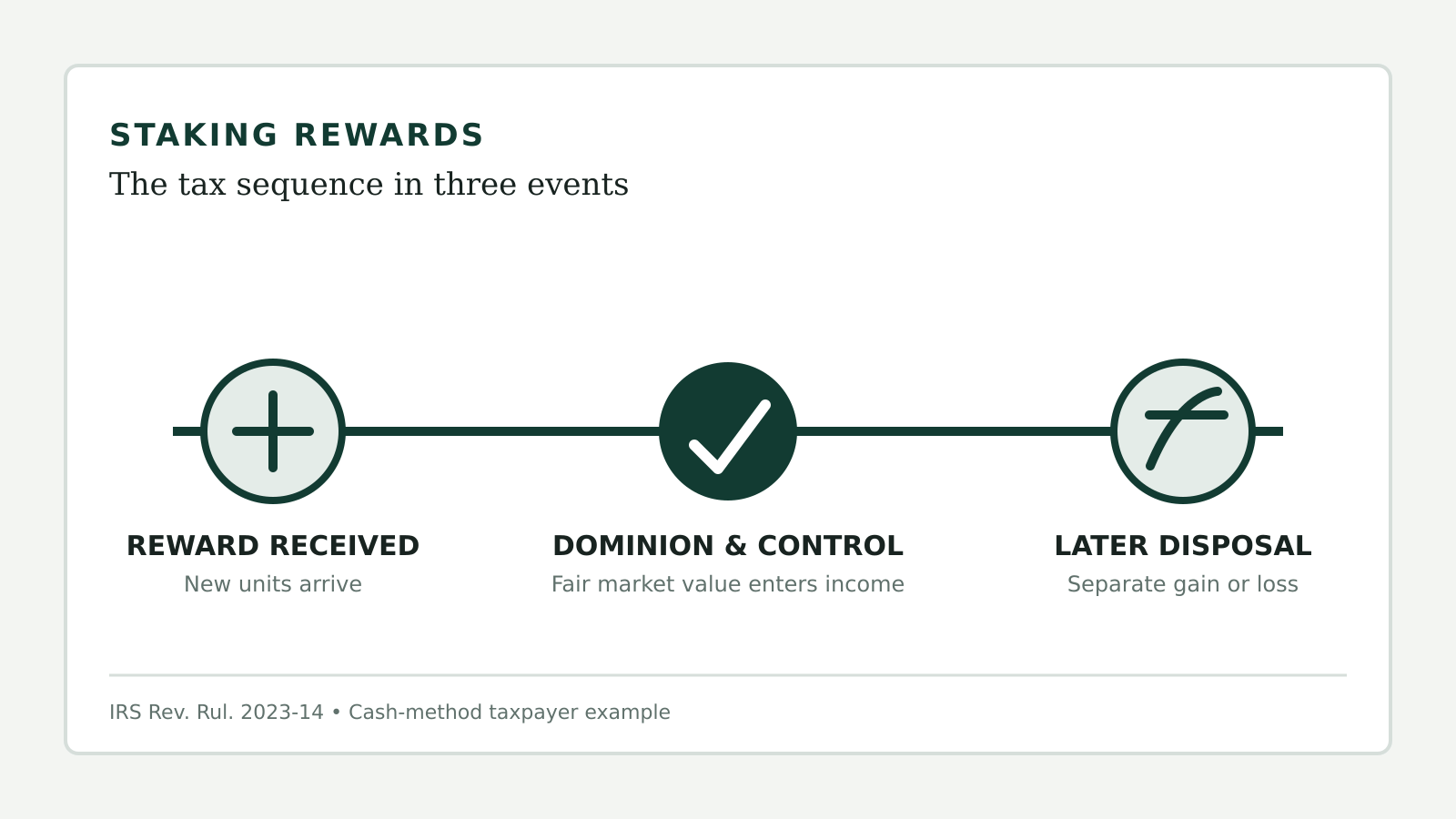
Crypto Staking Rewards Taxes: How the IRS Rule Works
When staking rewards become income, how fair market value sets the amount and why a later disposal is separate.
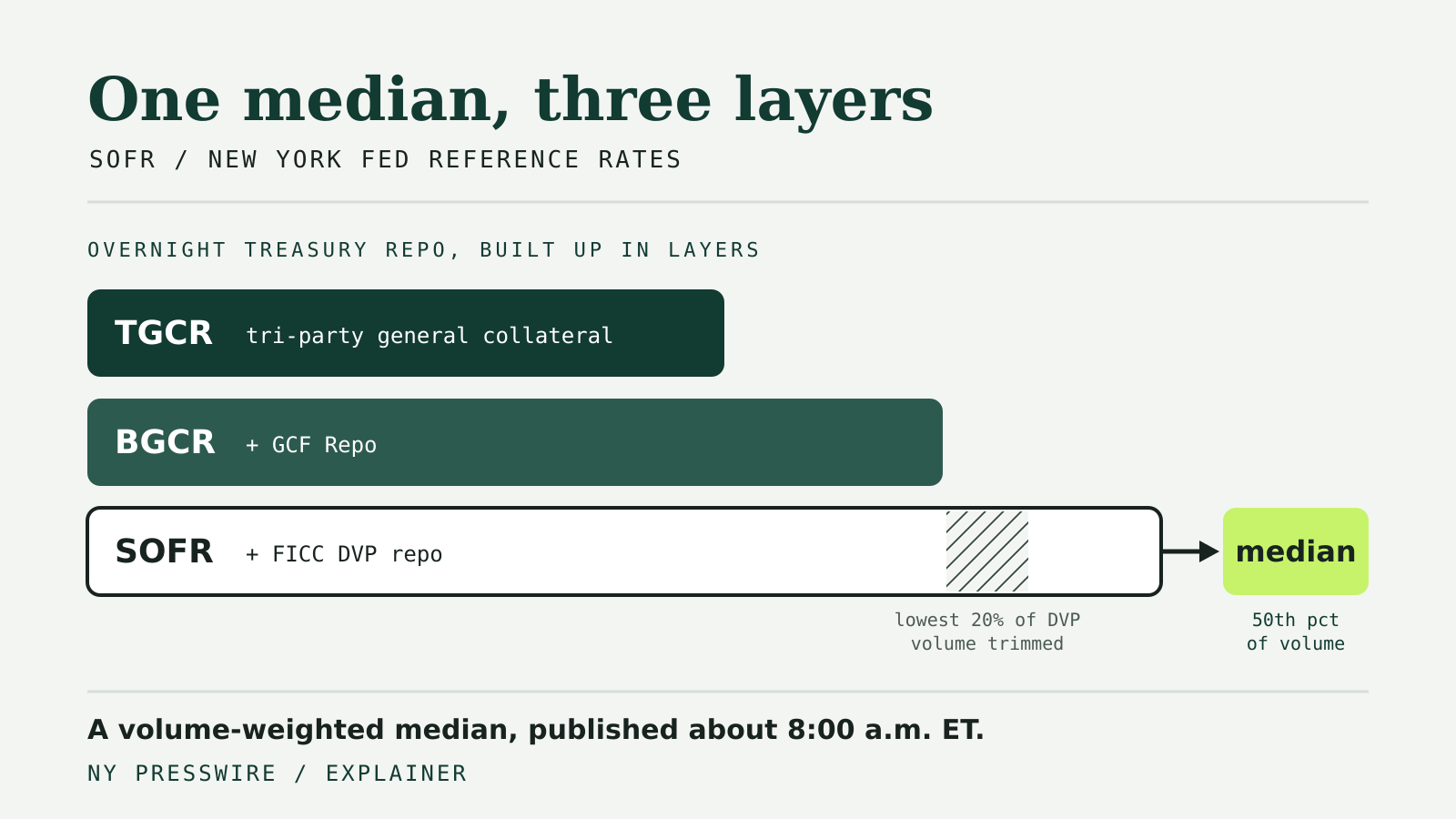
What Is SOFR? How the New York Fed Calculates It
Where SOFR comes from, how repo trades become a volume-weighted median, and how the averages and index work.
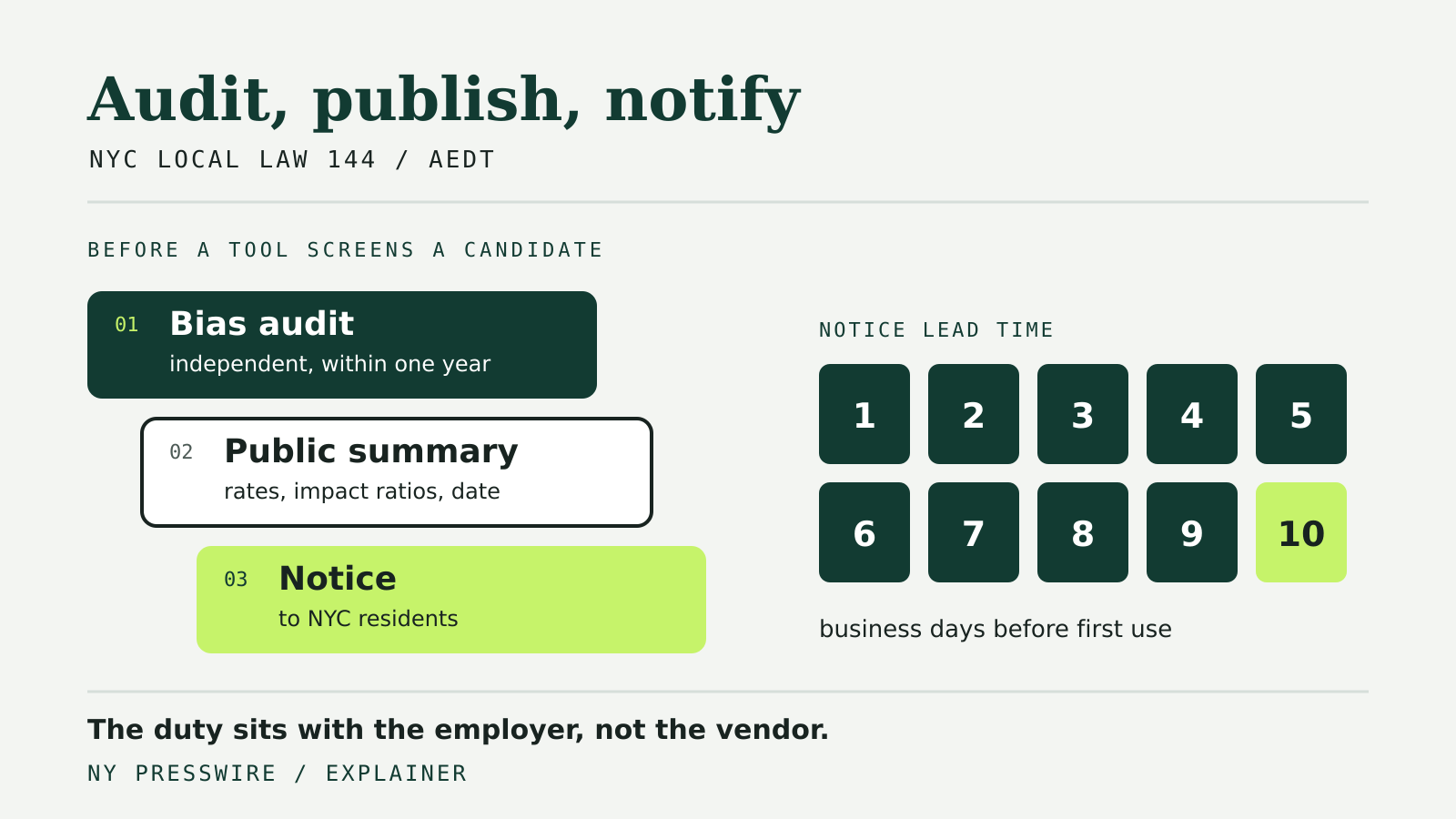
NYC Local Law 144: Bias Audits for AI Hiring Tools
What NYC's AI hiring tool law requires: a yearly independent bias audit, a public summary and advance notice.
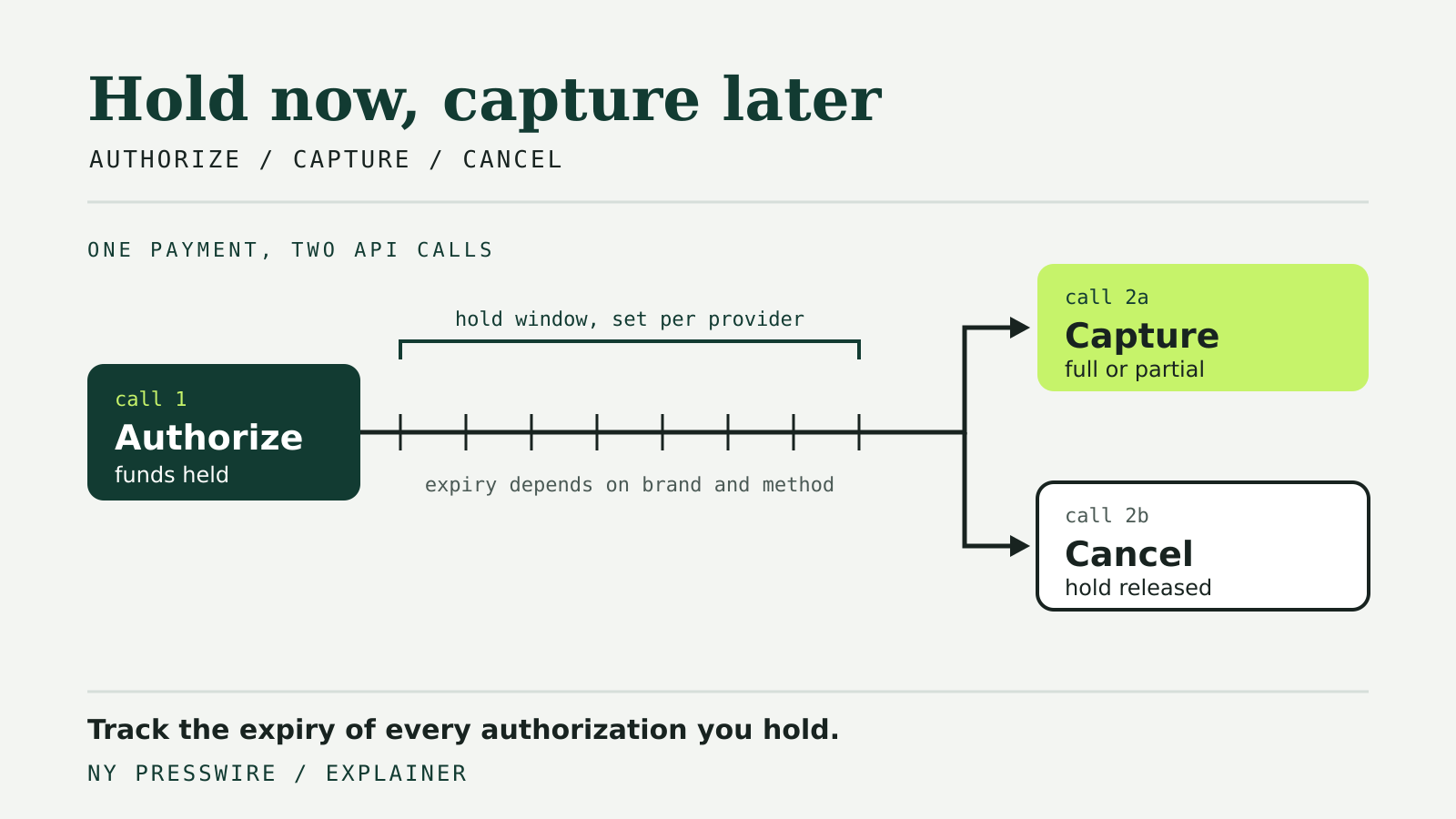
Authorize and Capture in Payment APIs, Compared
How separate authorization and capture works at Stripe, Adyen, PayPal and Square, from hold windows to expiry.
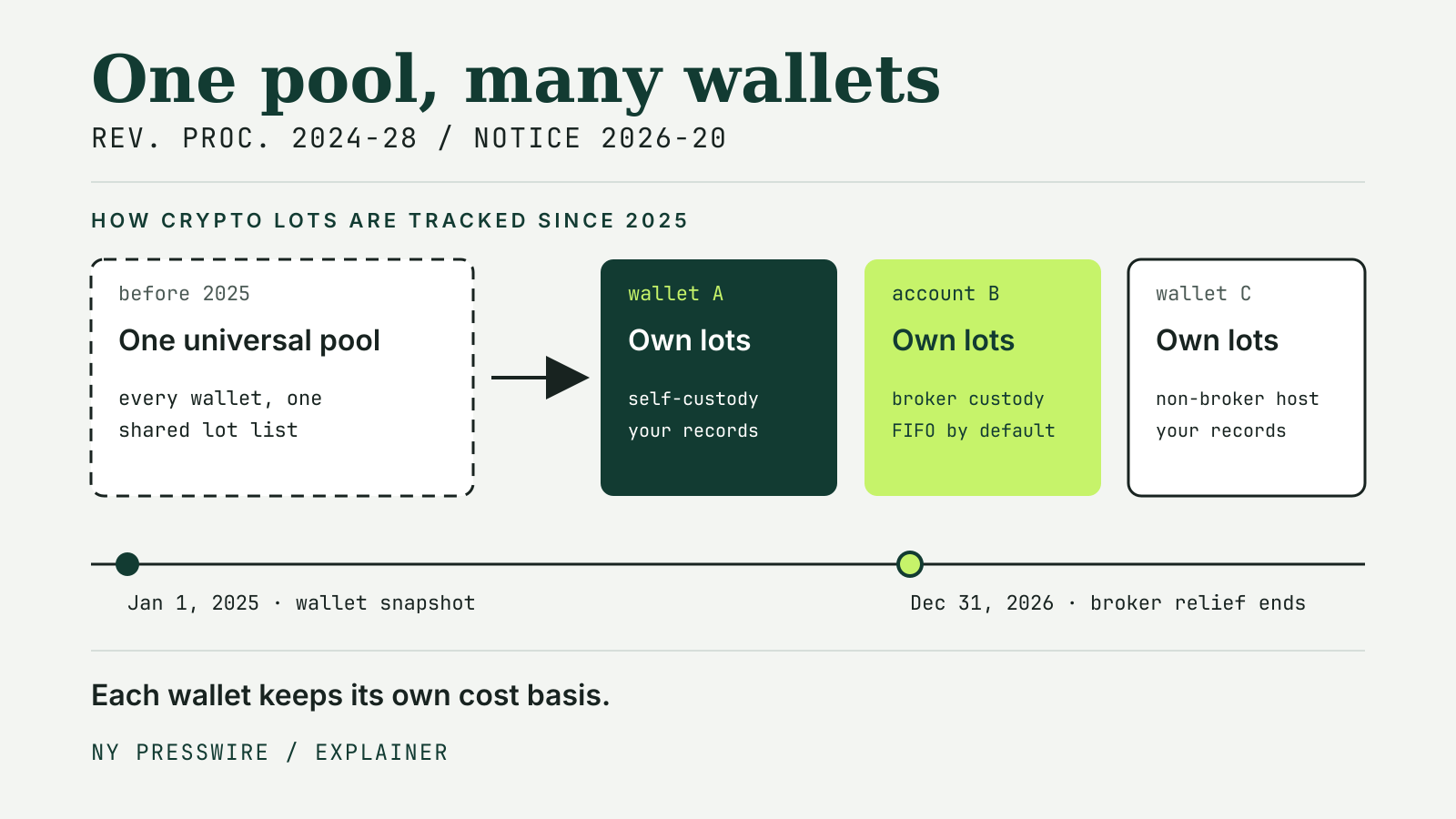
Crypto Cost Basis Wallet by Wallet: The IRS Lot Rules
IRS lot rules now apply per wallet or account: the 2025 snapshot, and broker relief that ends December 31, 2026.
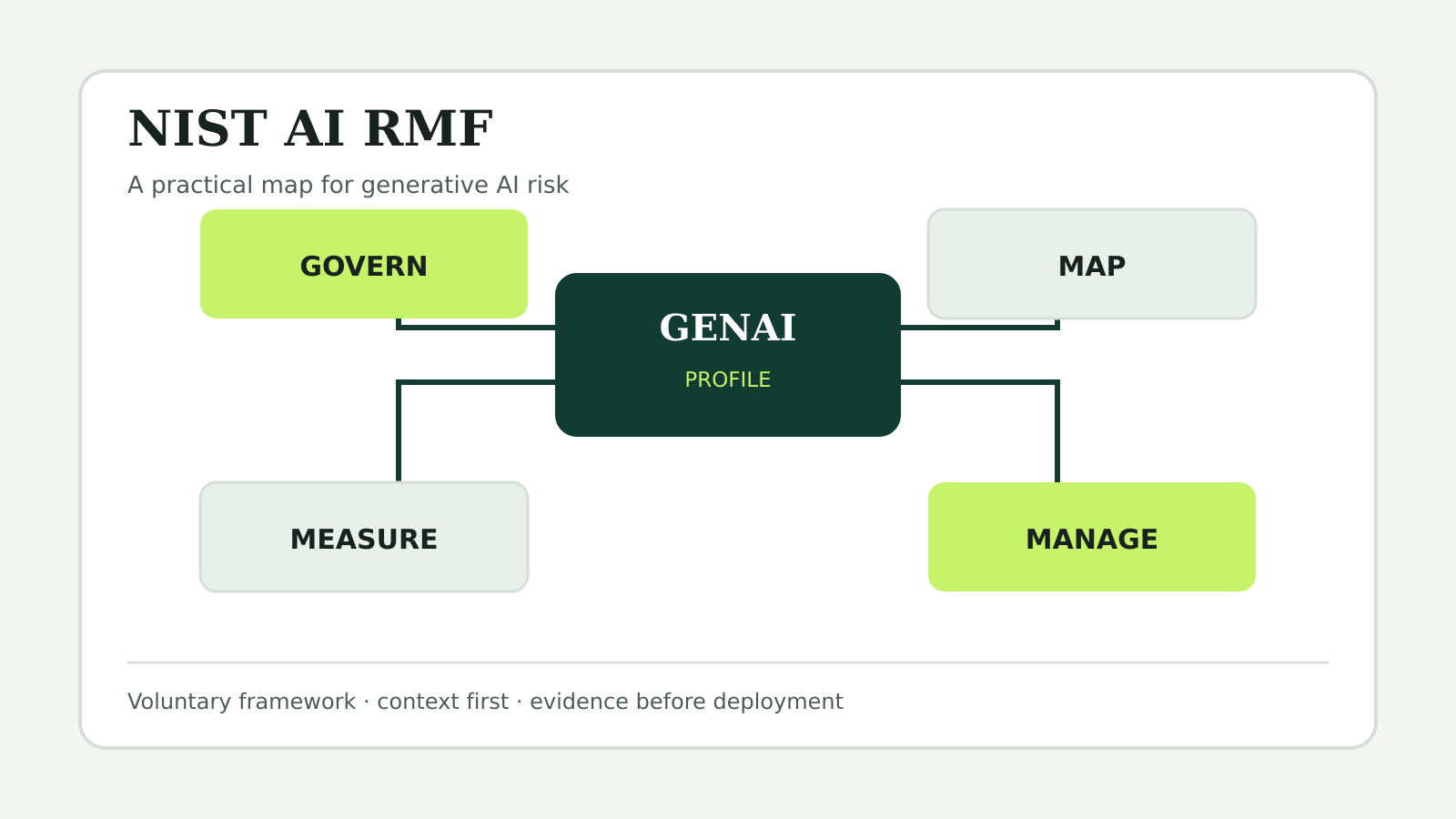
NIST AI RMF Generative AI Profile: A Practical Guide
How to use NIST's four AI RMF functions and Generative AI Profile without treating them as a checklist.
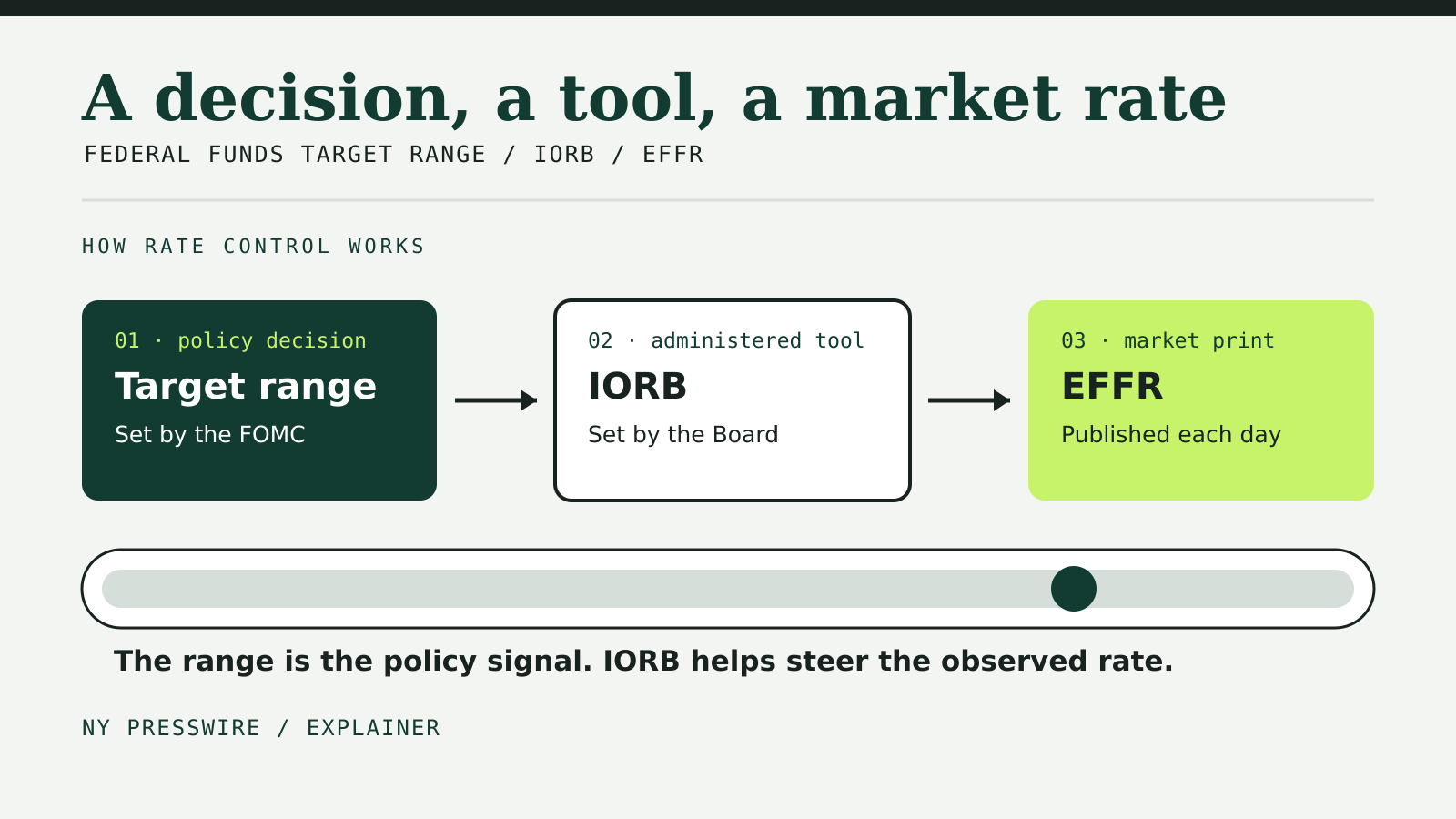
Federal Funds Target Range vs Effective Rate
The target range is the Fed's policy signal, IORB is an implementation tool and EFFR is the observed market rate.
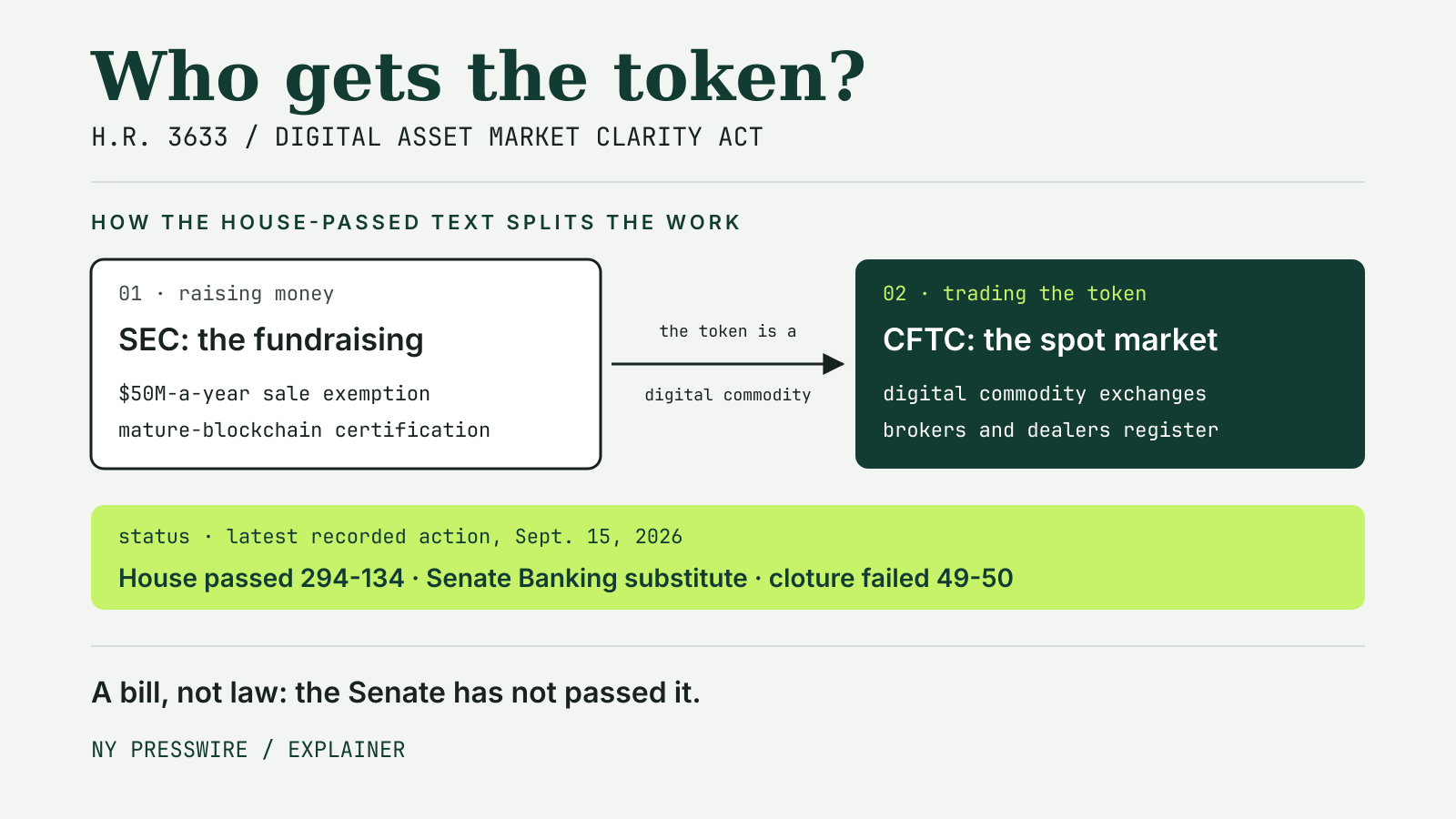
CLARITY Act Crypto Market Structure: How the SEC and CFTC Split Tokens
The House bill gives token fundraising to the SEC and spot trading to the CFTC. The Senate Banking text differs.
Our stories connect the systems that move money with the software that people and businesses rely on. Browse AI for models and automation, Fintech for payments and transfers, Crypto for stablecoins and custody, and Tech for identity and infrastructure.
Formats range from focused news reports to explainers, analysis, and longreads. Each article identifies its author and provides sources for the claims it makes. Start with a question about a product or process, then follow the supporting documentation and related coverage. The first edition covers AI payment permissions, cross-border transfer costs, stablecoin reserve reports, and passkey recovery. Our About page explains the publication’s scope and approach; Contact is the place for questions and corrections.