
AI
How AI models and agents work inside real products.
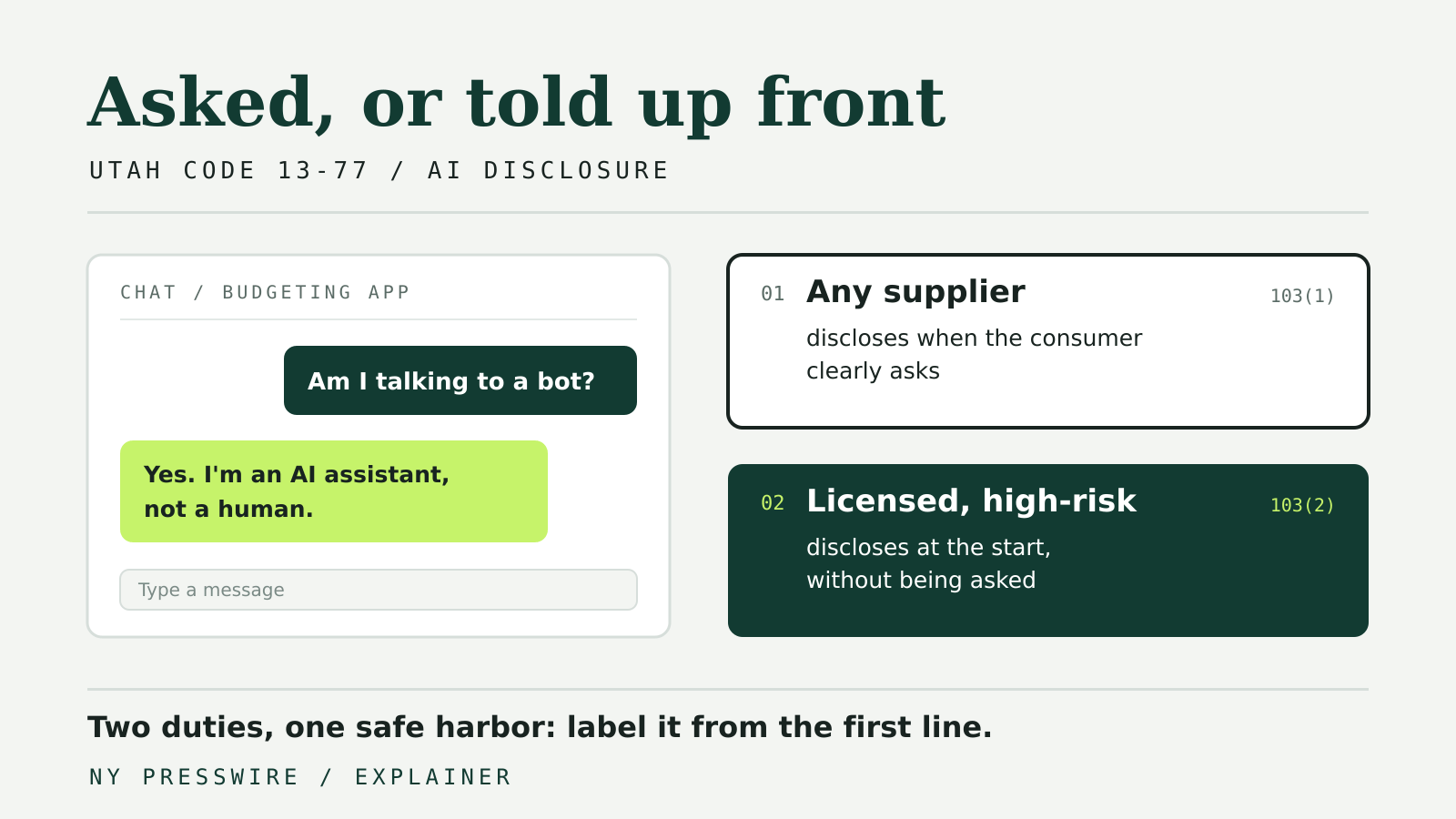
Utah AI Disclosure Law: What Fintech Chatbots Must Say
When Utah's Chapter 77 makes a chatbot say it is AI, which fintech products it misses and what the safe harbor needs.
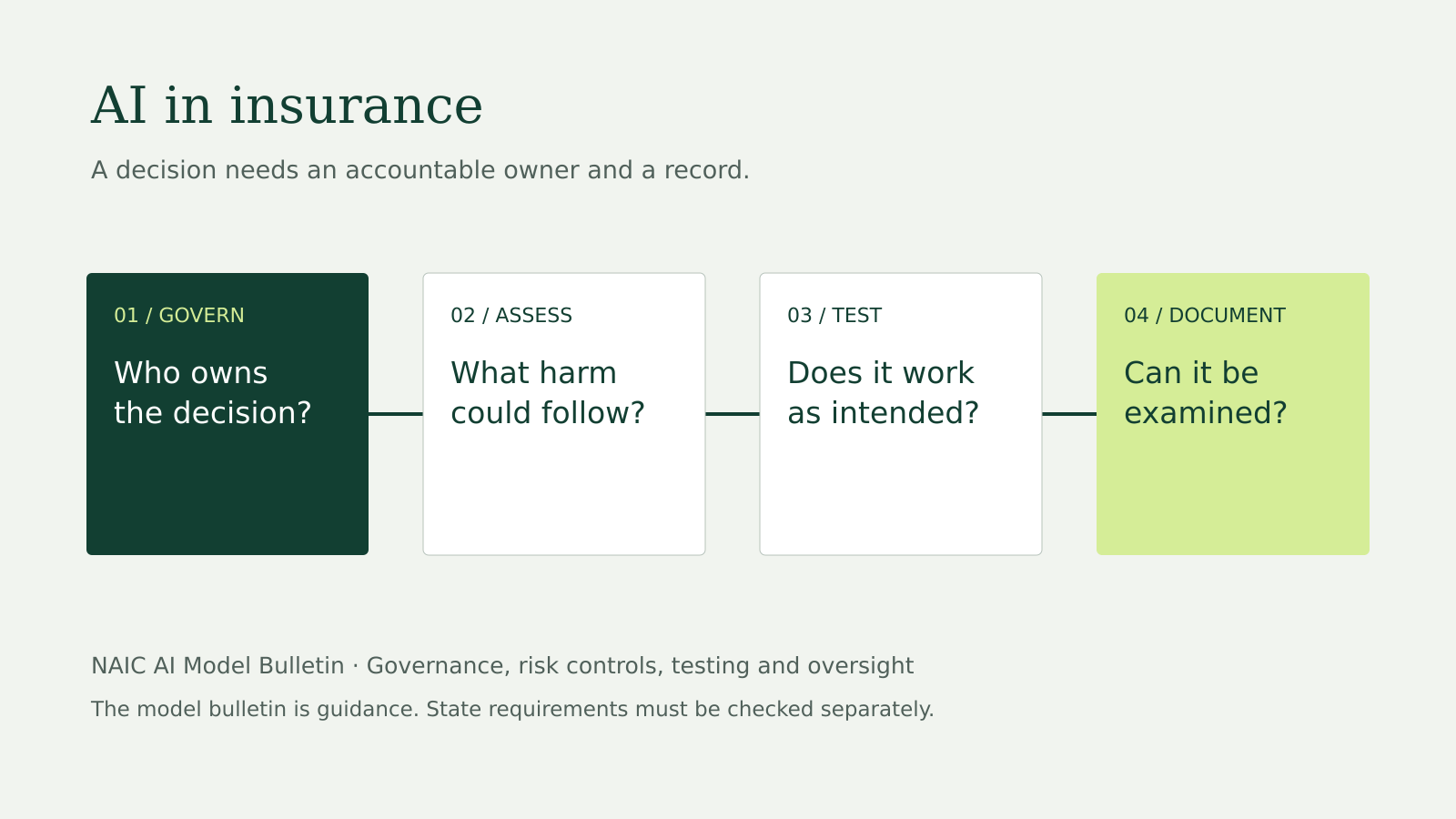
NAIC AI Model Bulletin: What Insurers Should Document
What the NAIC AI model bulletin says about governance, vendors and records, and why state rules matter.
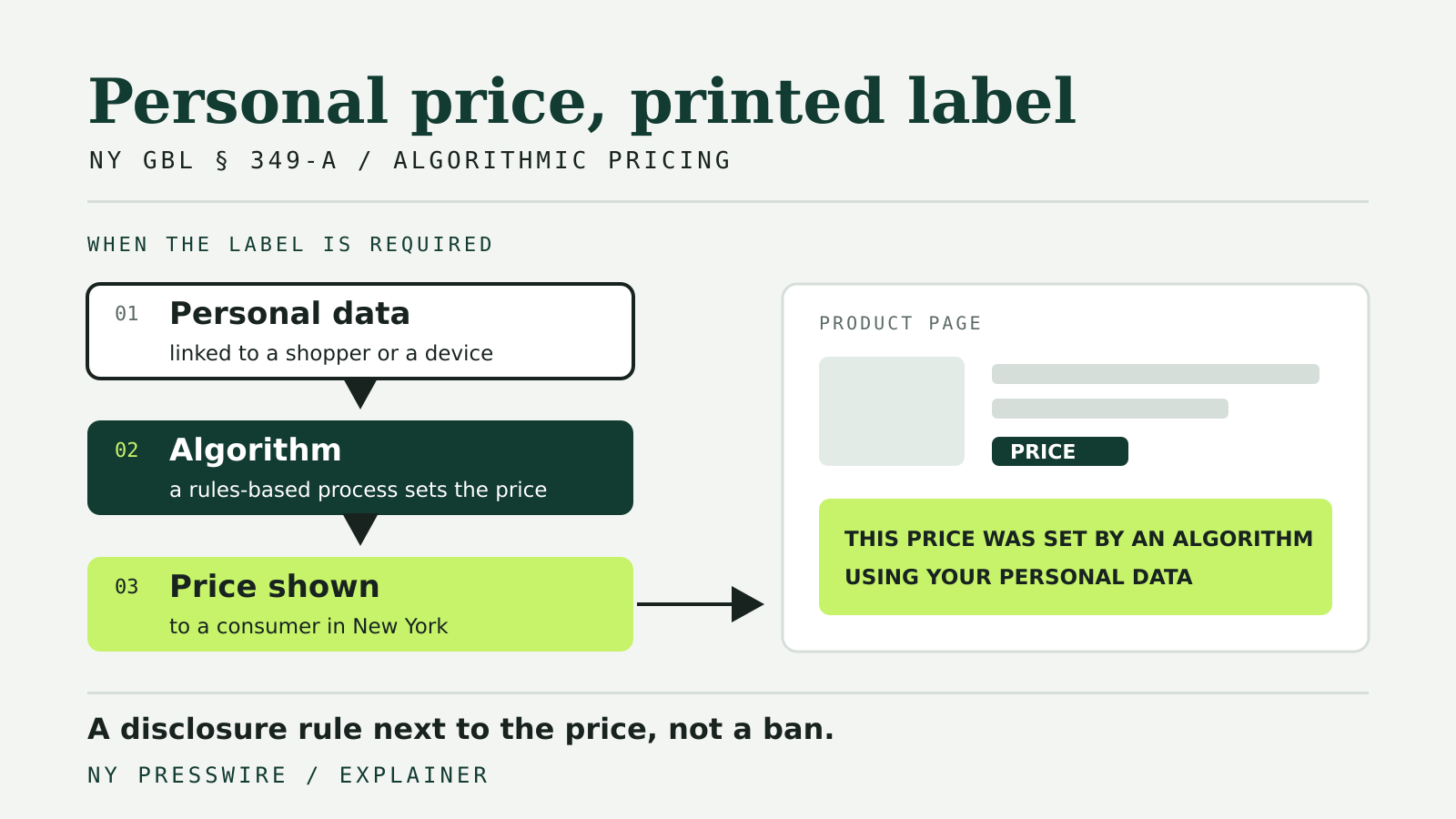
New York's Algorithmic Pricing Disclosure Law, Explained
What GBL § 349-a requires when an algorithm uses personal data to set a price, who is exempt and how it is enforced.
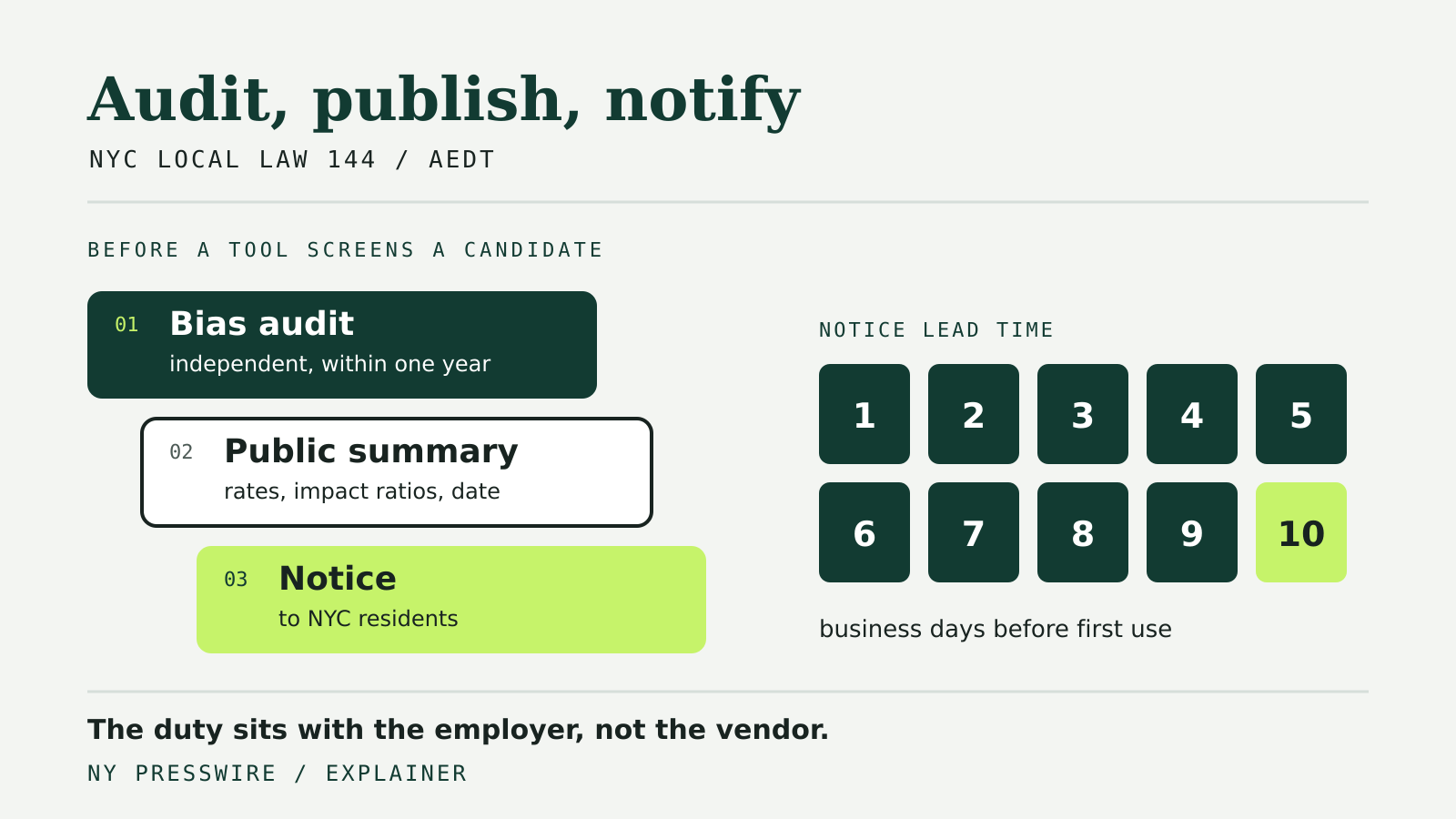
NYC Local Law 144: Bias Audits for AI Hiring Tools
What NYC's AI hiring tool law requires: a yearly independent bias audit, a public summary and advance notice.
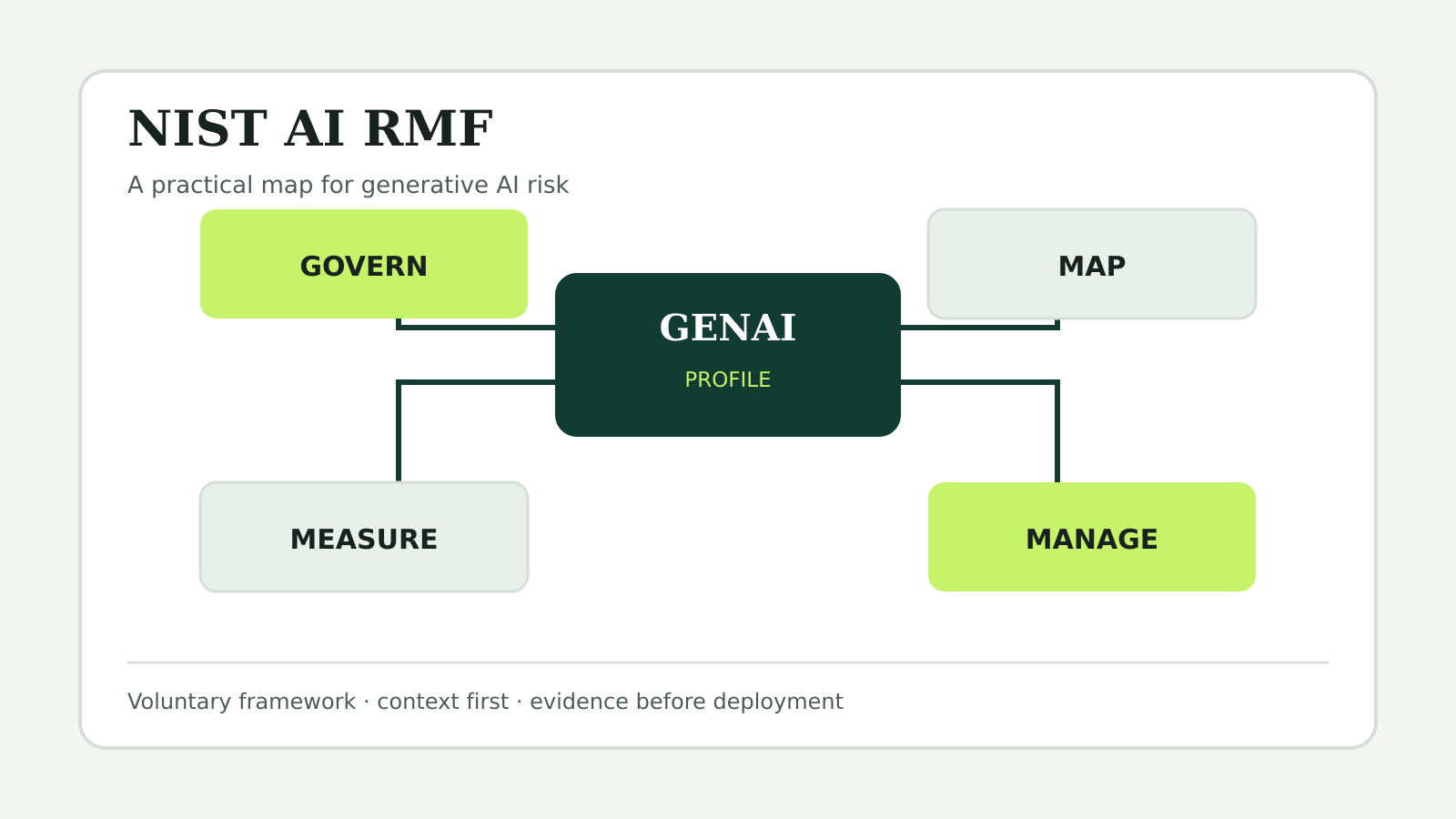
NIST AI RMF Generative AI Profile: A Practical Guide
How to use NIST's four AI RMF functions and Generative AI Profile without treating them as a checklist.
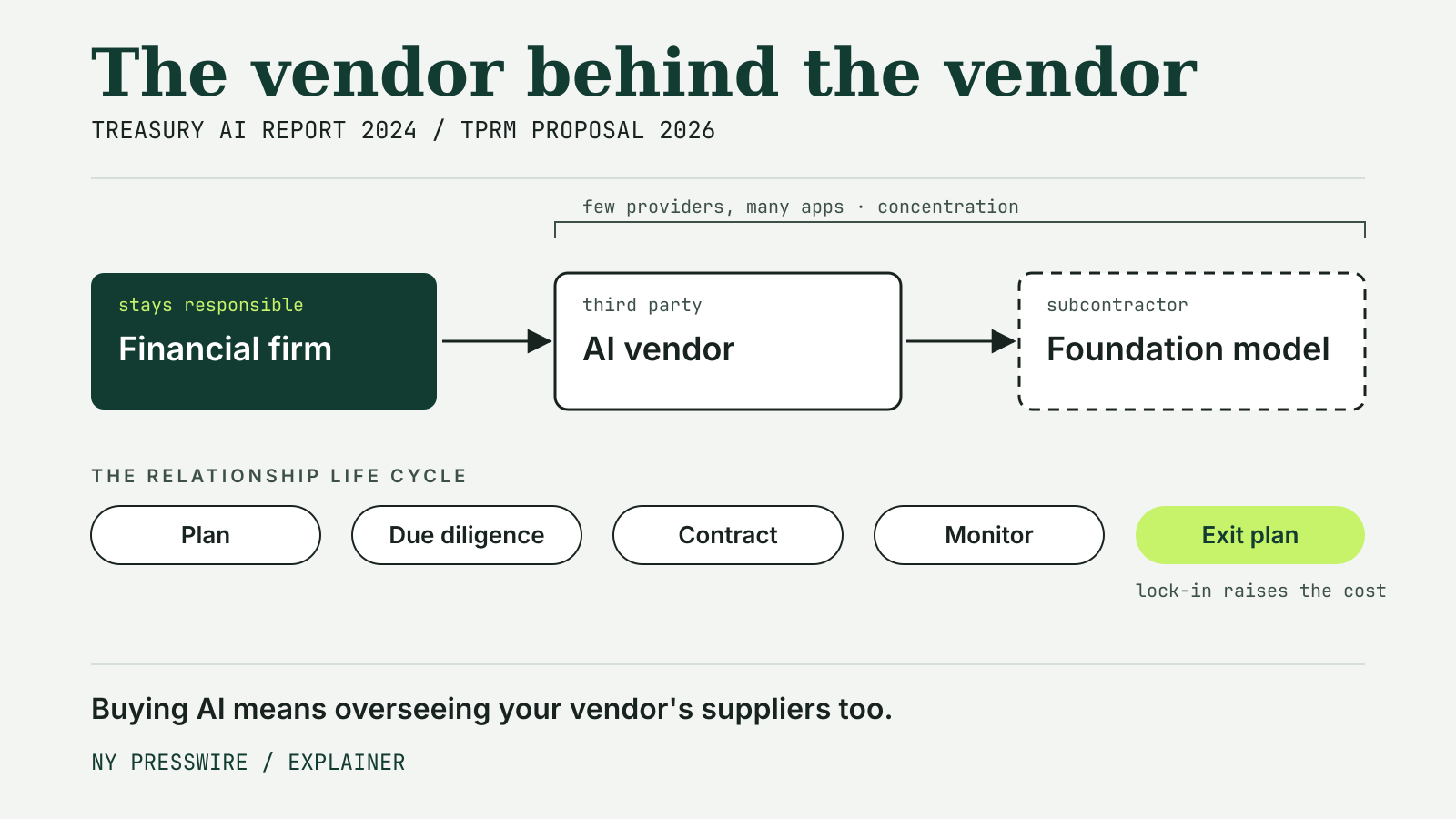
Third-Party AI Risk in Financial Services: What Regulators Say
Most financial firms buy their AI. Treasury's 2024 report and a 2026 proposal show what that means for vendor oversight.
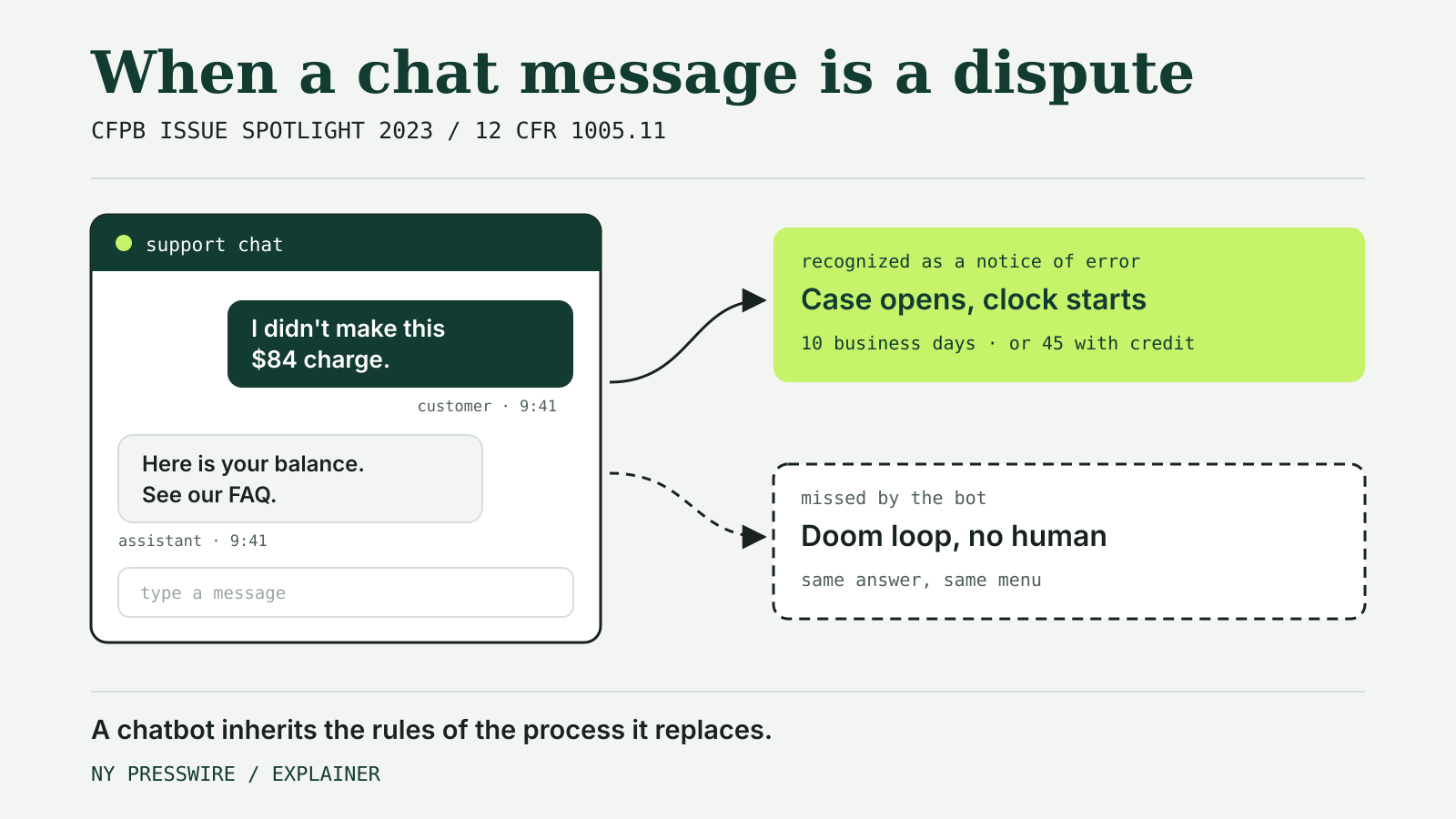
CFPB on Chatbots in Consumer Finance: What It Means for AI Support
What the CFPB's chatbot report found and how its dispute and human-help concerns apply to AI support.
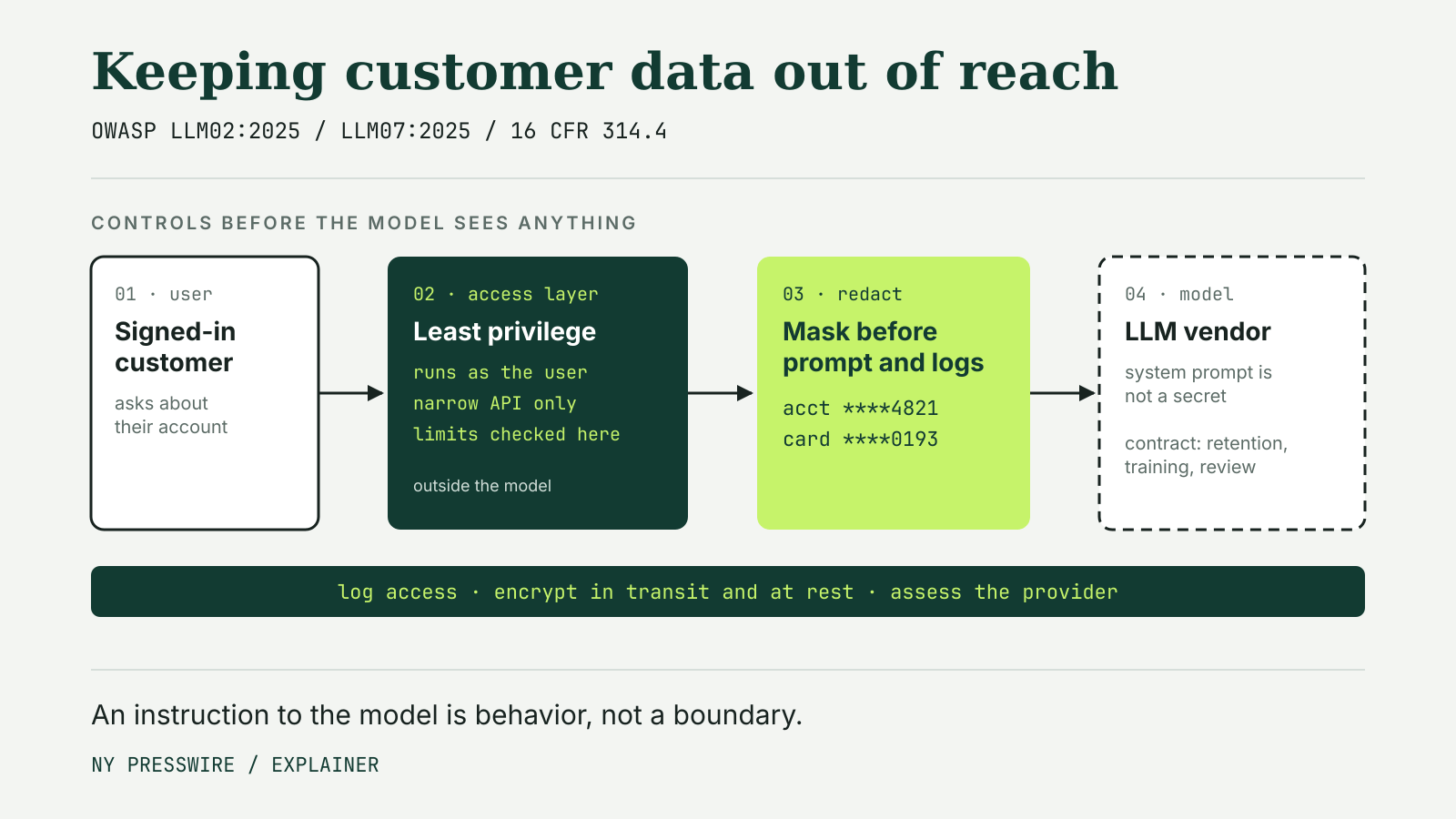
LLM Sensitive Information Disclosure in Fintech AI Apps
Why a system prompt cannot hide customer data, and the controls outside the model that can.
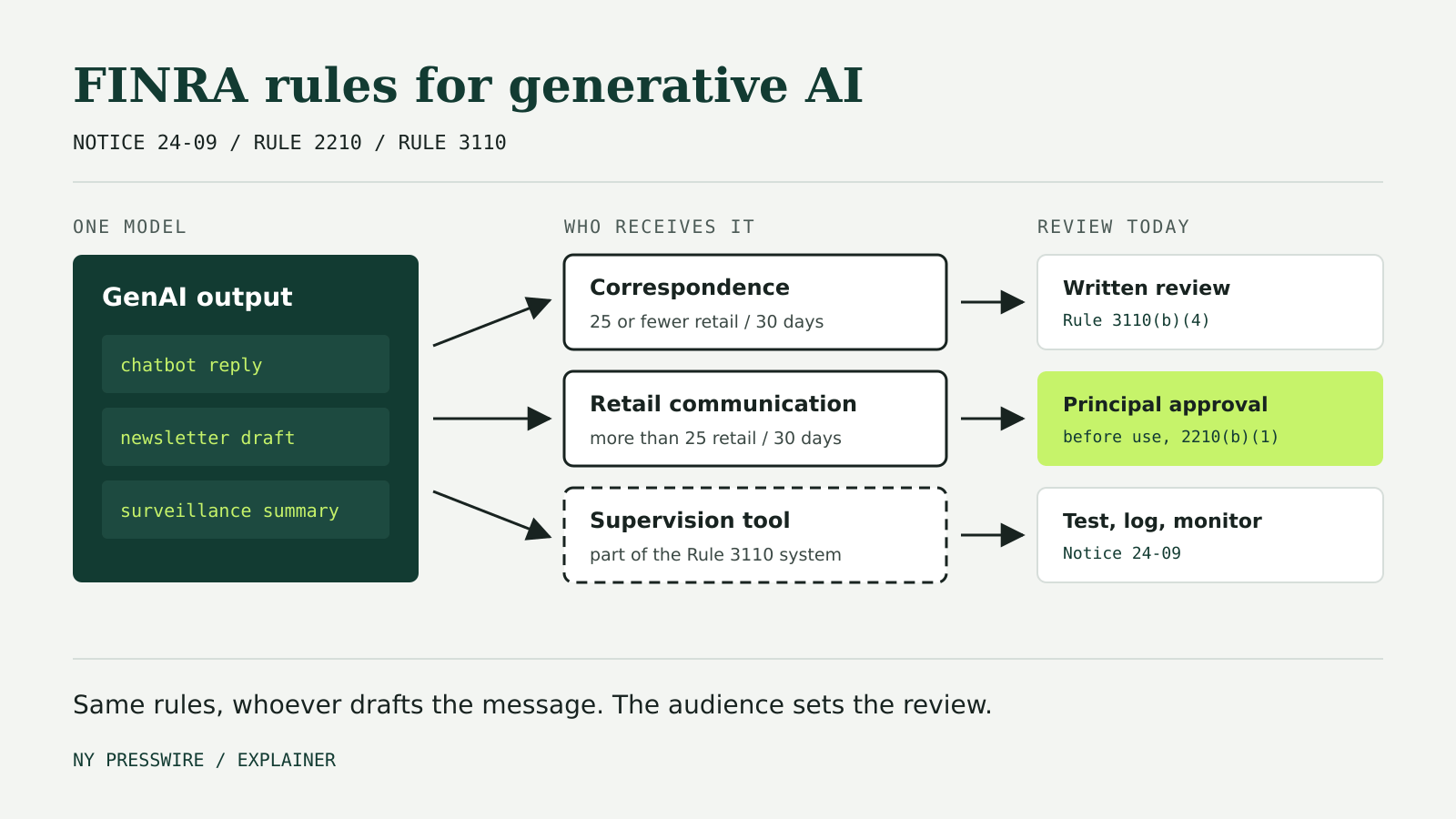
FINRA Generative AI Guidance: Chatbots, Supervision and Rule 2210
How FINRA's supervision and communications rules apply to chatbots, AI-drafted content and AI review tools.
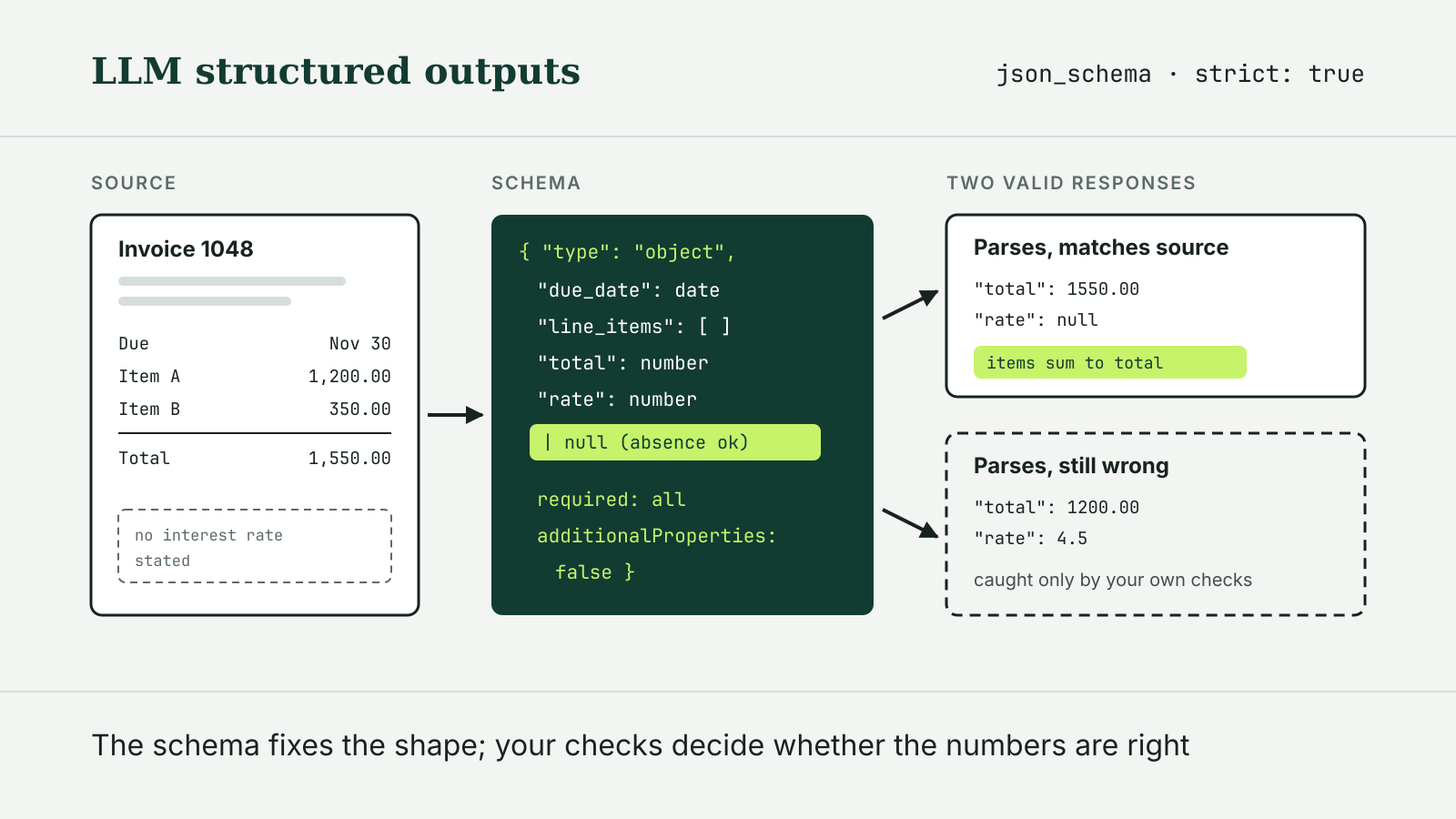
LLM Structured Outputs: JSON Schema Validity Is Not Accuracy
How OpenAI and Anthropic enforce a JSON Schema, and the checks financial data extraction still needs.
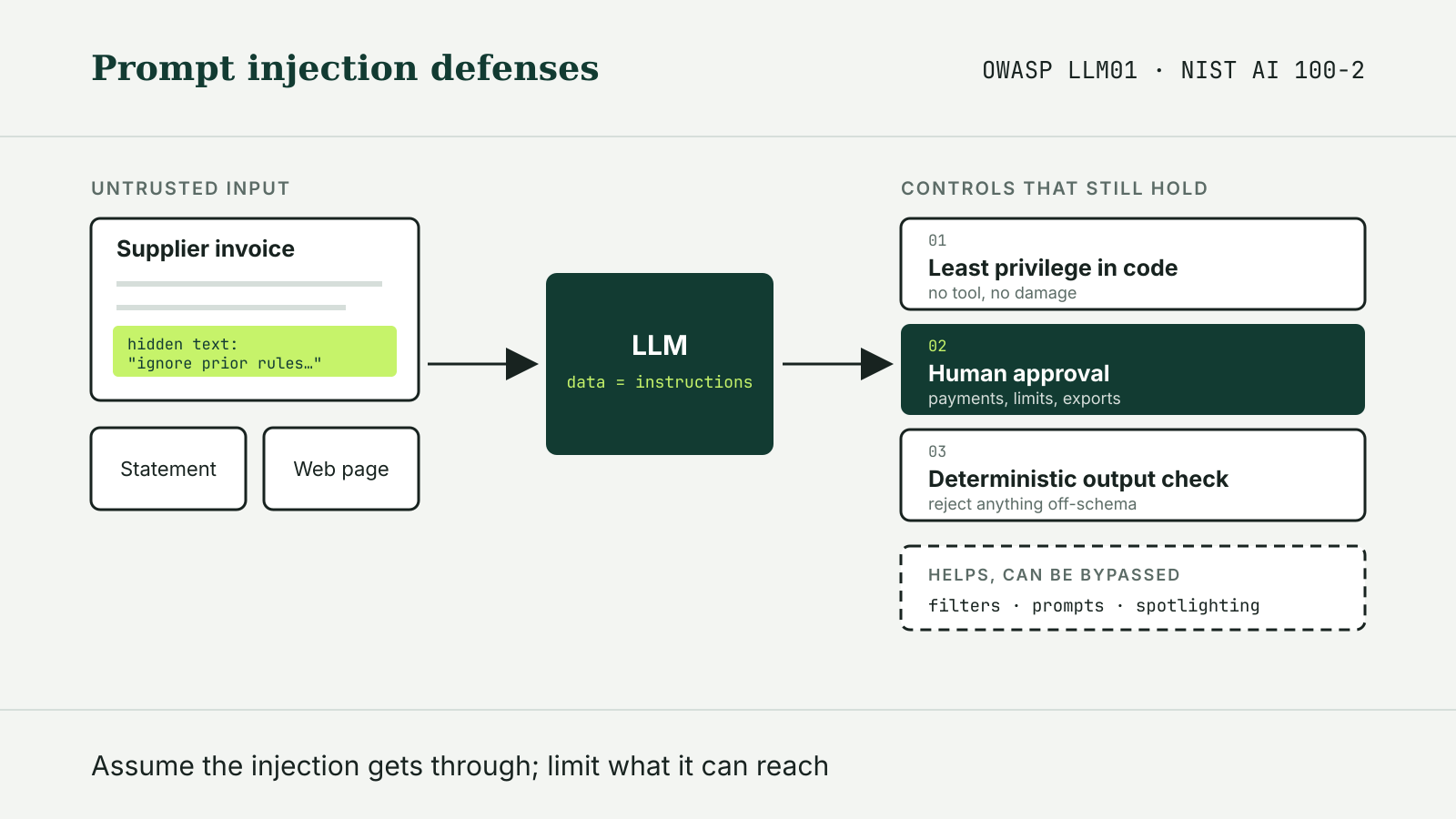
Prompt Injection in Financial LLM Apps: The Defenses That Hold Up
OWASP and NIST say prompt injection cannot be reliably filtered. These controls still protect financial data.
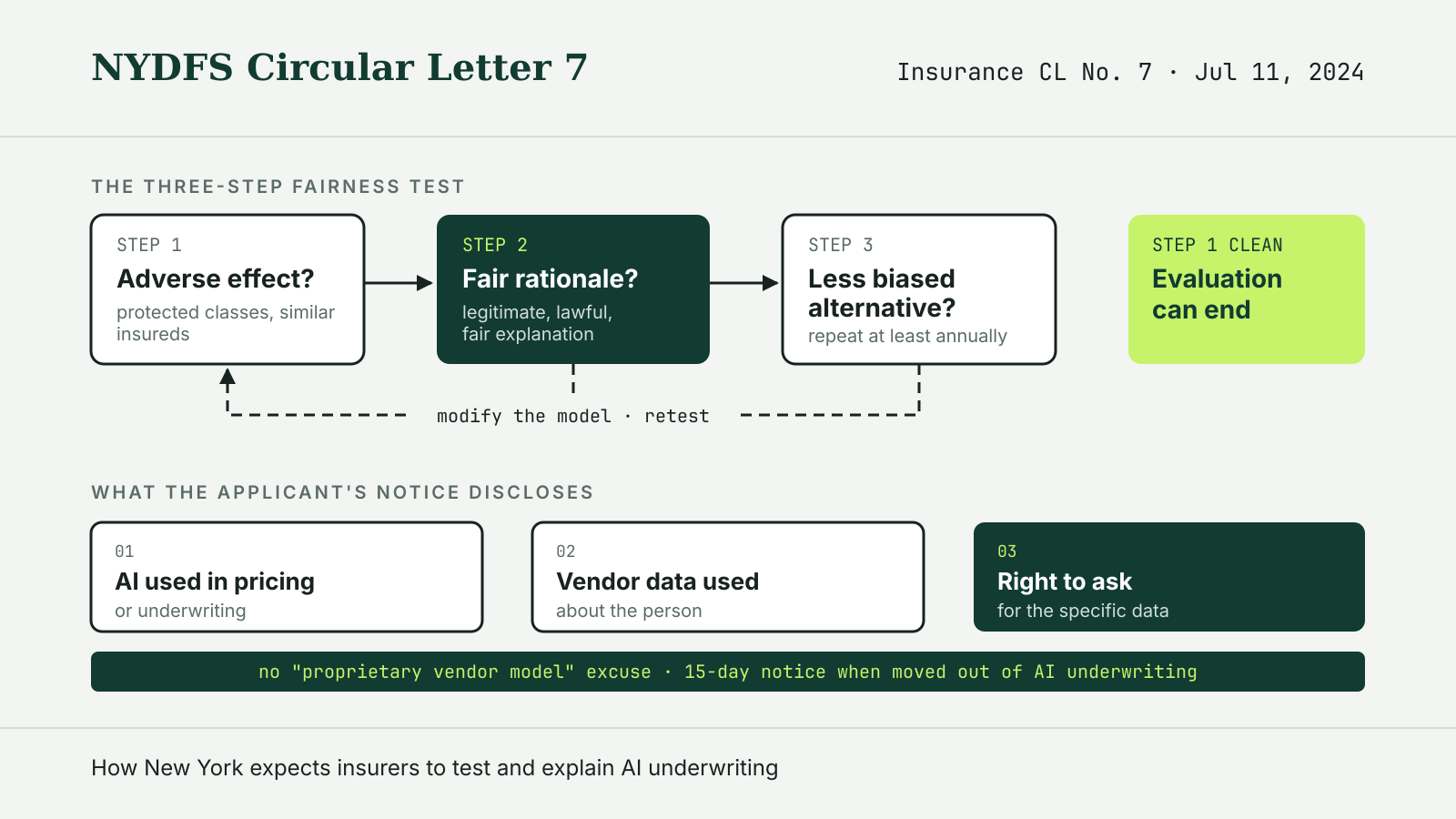
NYDFS Circular Letter 7: What New York Expects From AI Underwriting
What New York expects when AI or outside data shapes insurance underwriting: fairness tests, governance and notices.
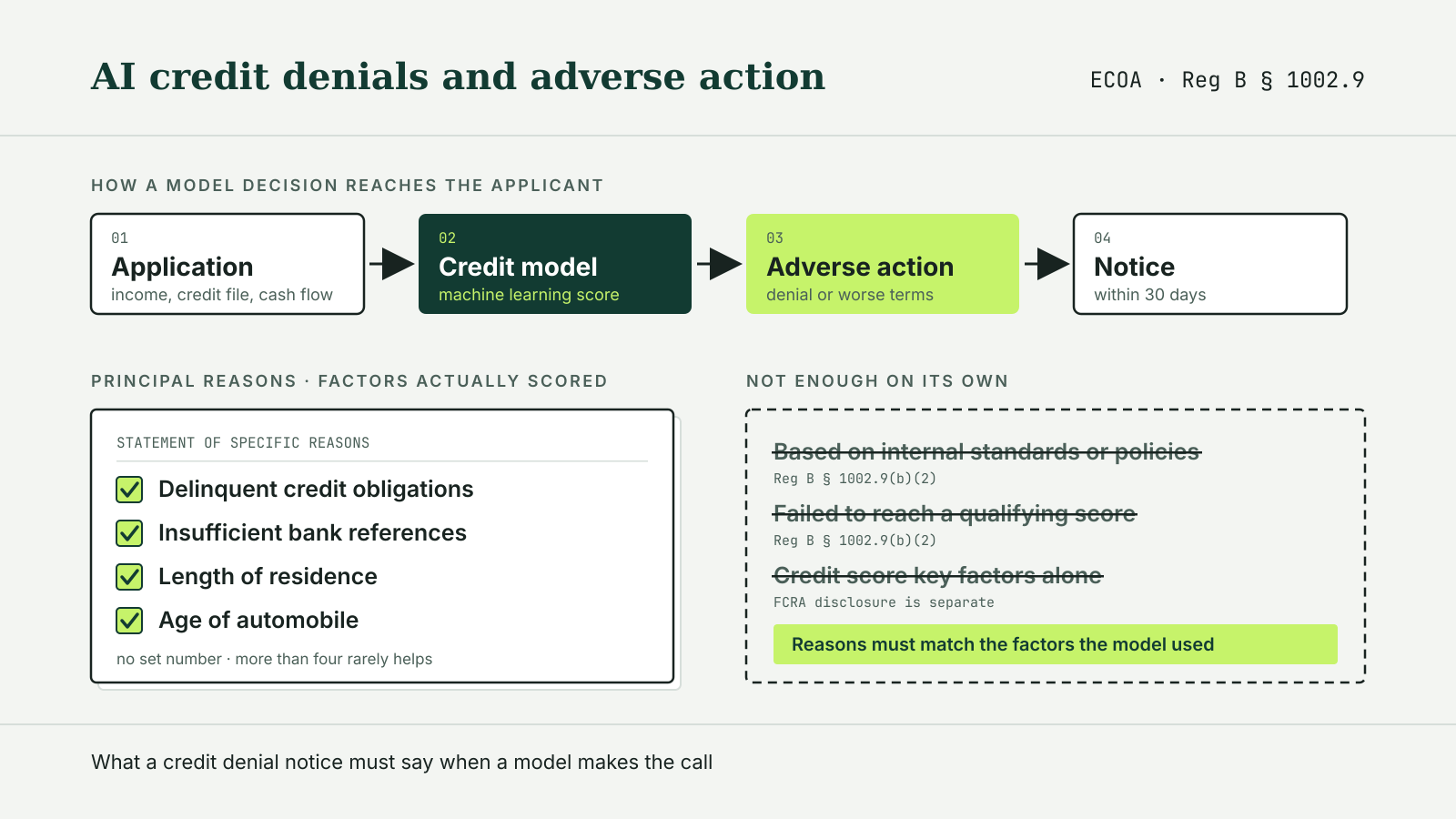
AI Credit Denials and Adverse Action Notices: What ECOA Requires
A model-driven credit denial still needs specific, accurate reasons, even after the CFPB withdrew its AI circular.
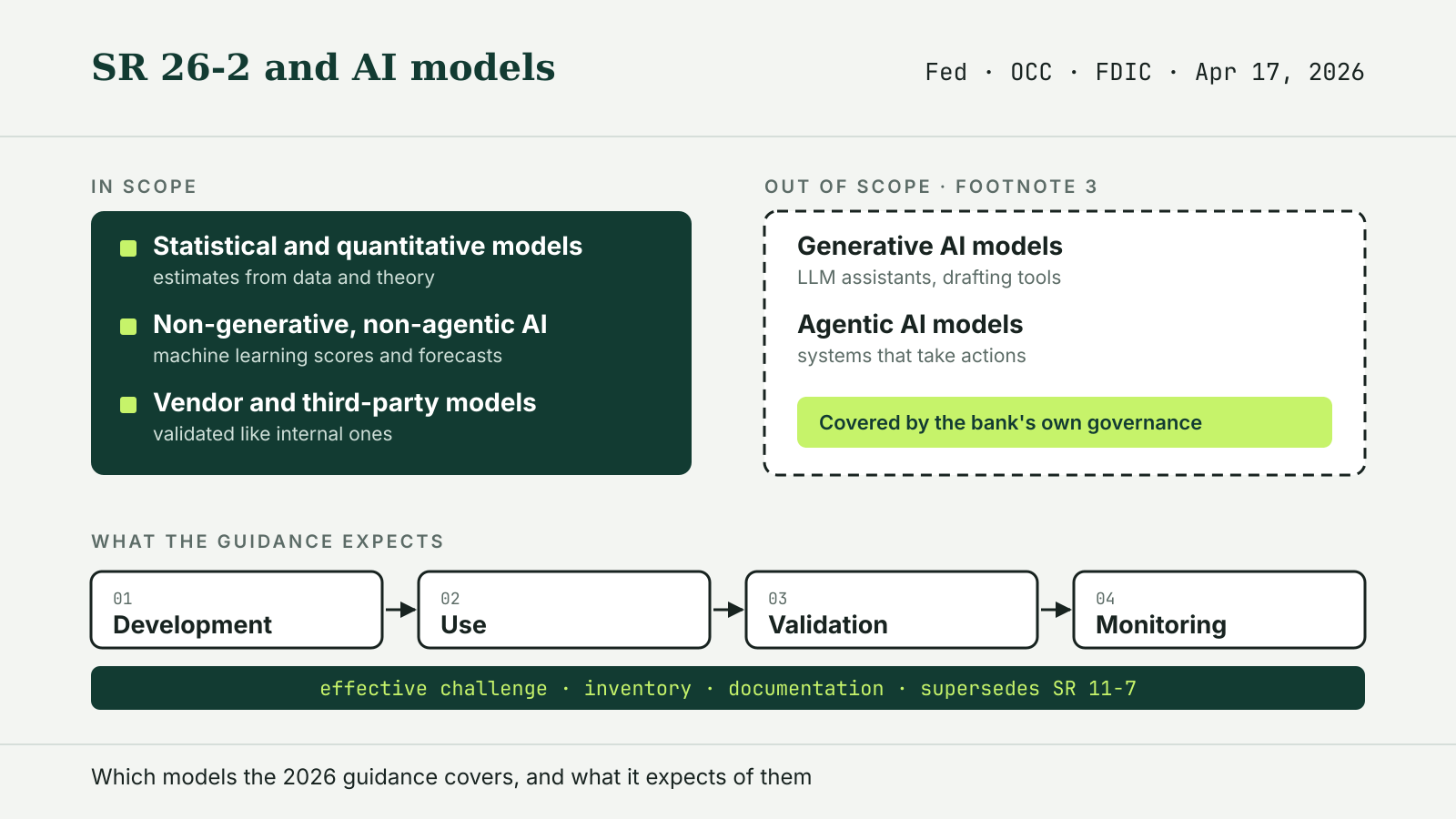
SR 26-2 Model Risk Management and Where AI Models Fit
The 2026 interagency guidance replaced SR 11-7 and left generative and agentic AI out of scope.
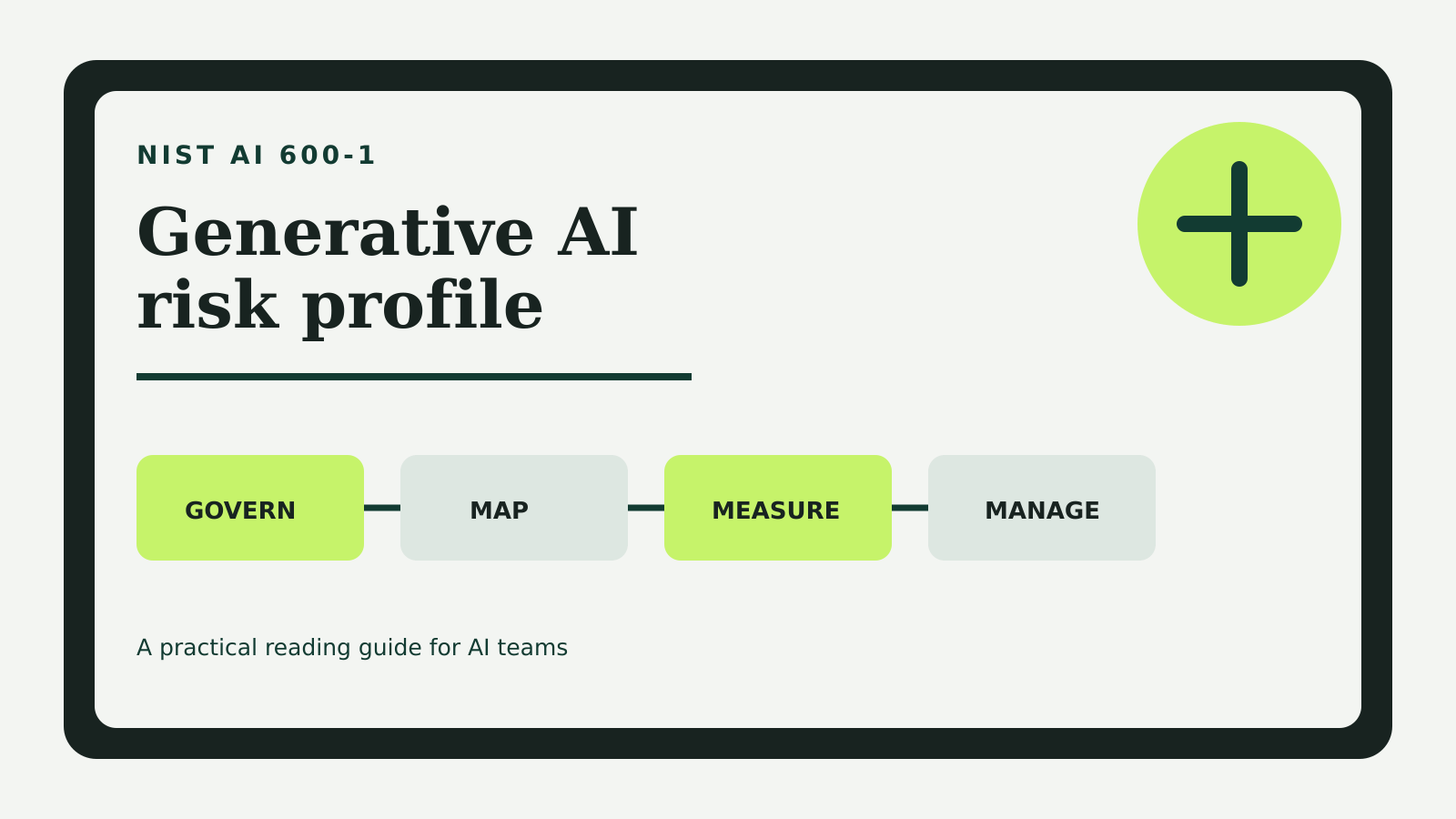
How to Use the NIST Generative AI Risk Profile
A practical guide to turning NIST AI 600-1 into owners, release tests, monitoring and incident rules.
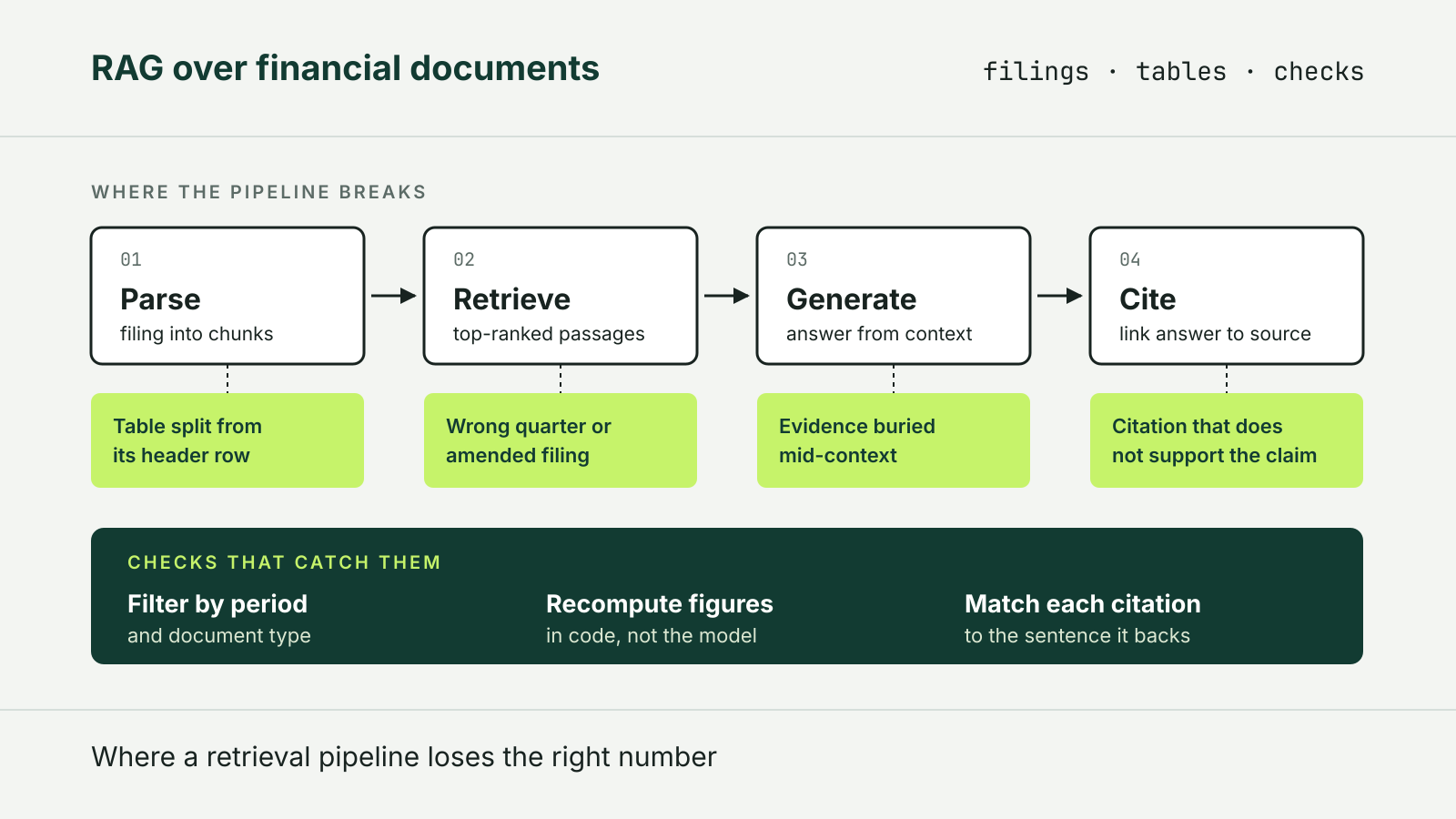
RAG for Financial Documents: Where Retrieval Breaks
What FinanceBench, DocFinQA and other studies found about retrieval over filings, and the checks that catch it.
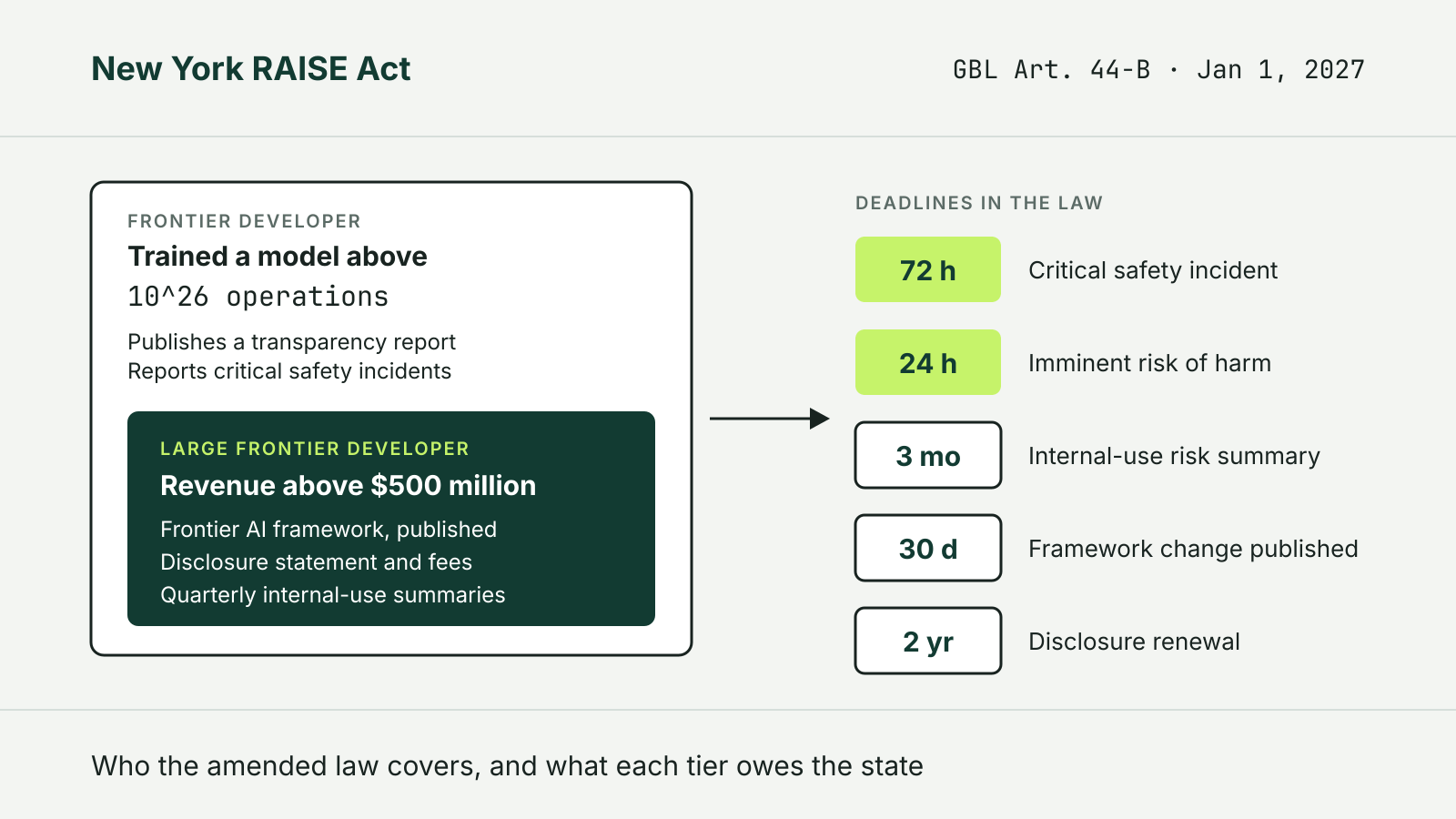
New York's RAISE Act: What Frontier AI Developers Must Do
What the amended New York RAISE Act asks of frontier AI developers from January 1, 2027.
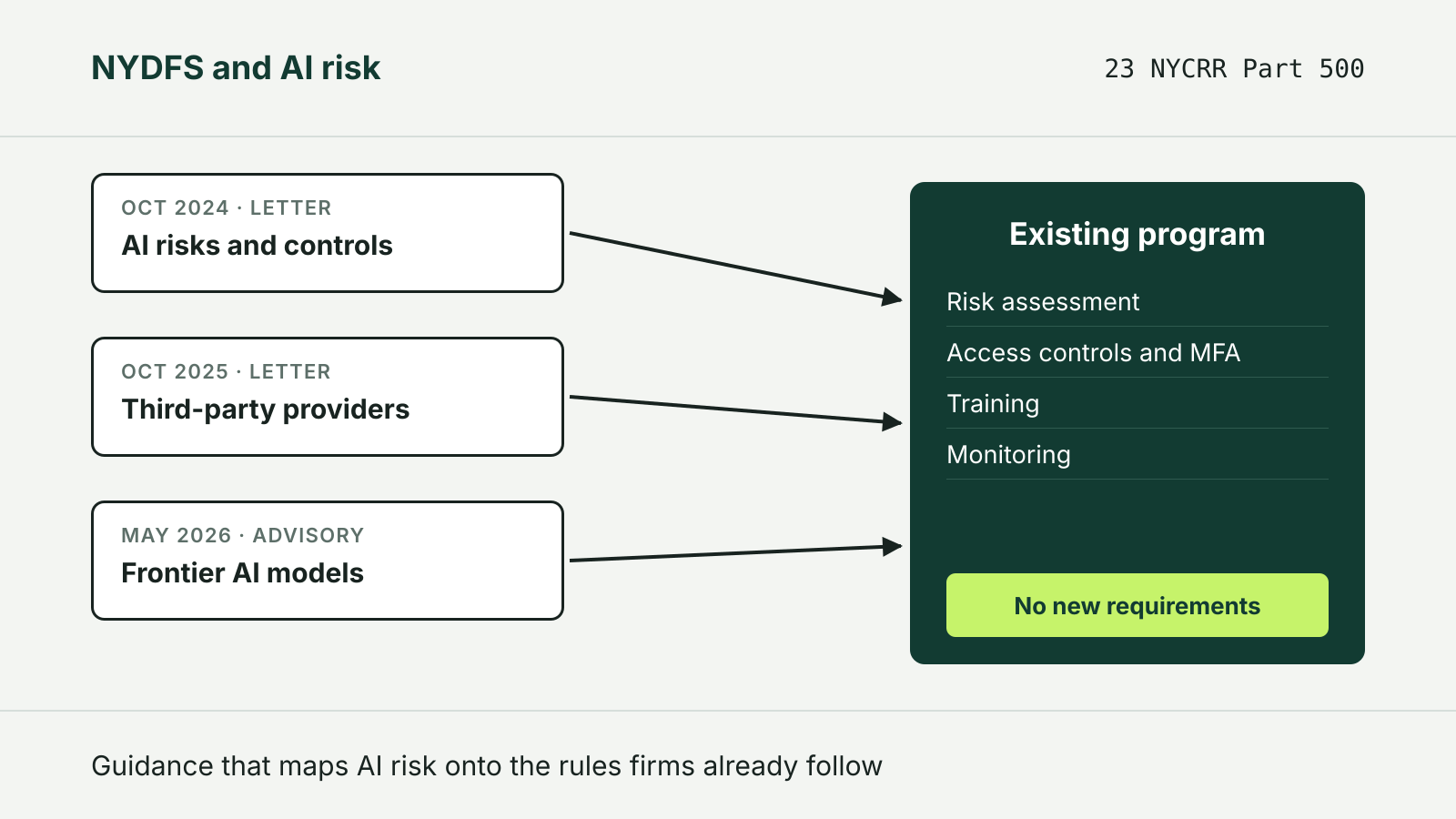
NYDFS AI Cybersecurity Guidance: What Three Letters Ask of Regulated Firms
How New York's financial regulator applies Part 500 to deepfakes, AI vendors and frontier models.

LLM Function Calling Explained: Schemas and Permissions
A model requests a function call; your application executes it.

Before an AI Agent Makes a Payment: Permissions, Limits and Approval
An agent can prepare a payment. Separate controls must decide whether it is allowed to send it.
This section follows the systems behind automated decisions: the models that interpret a request, the tools that act on it, and the permissions that determine what can happen next. Coverage connects product announcements with the practical questions that follow adoption, including operating costs, access to company data, reliability, and human review.
Start with our longread on payment permissions for AI agents. It explains how to separate a useful proposal from an authorized transaction and why a confirmation screen needs a reliable execution process behind it. For the financial systems an agent may connect to, explore Fintech; for account access and recovery, visit Tech. About NY Presswire explains how we select and source our coverage.