
Stories
Read NY Presswire’s latest coverage of technology and digital finance.
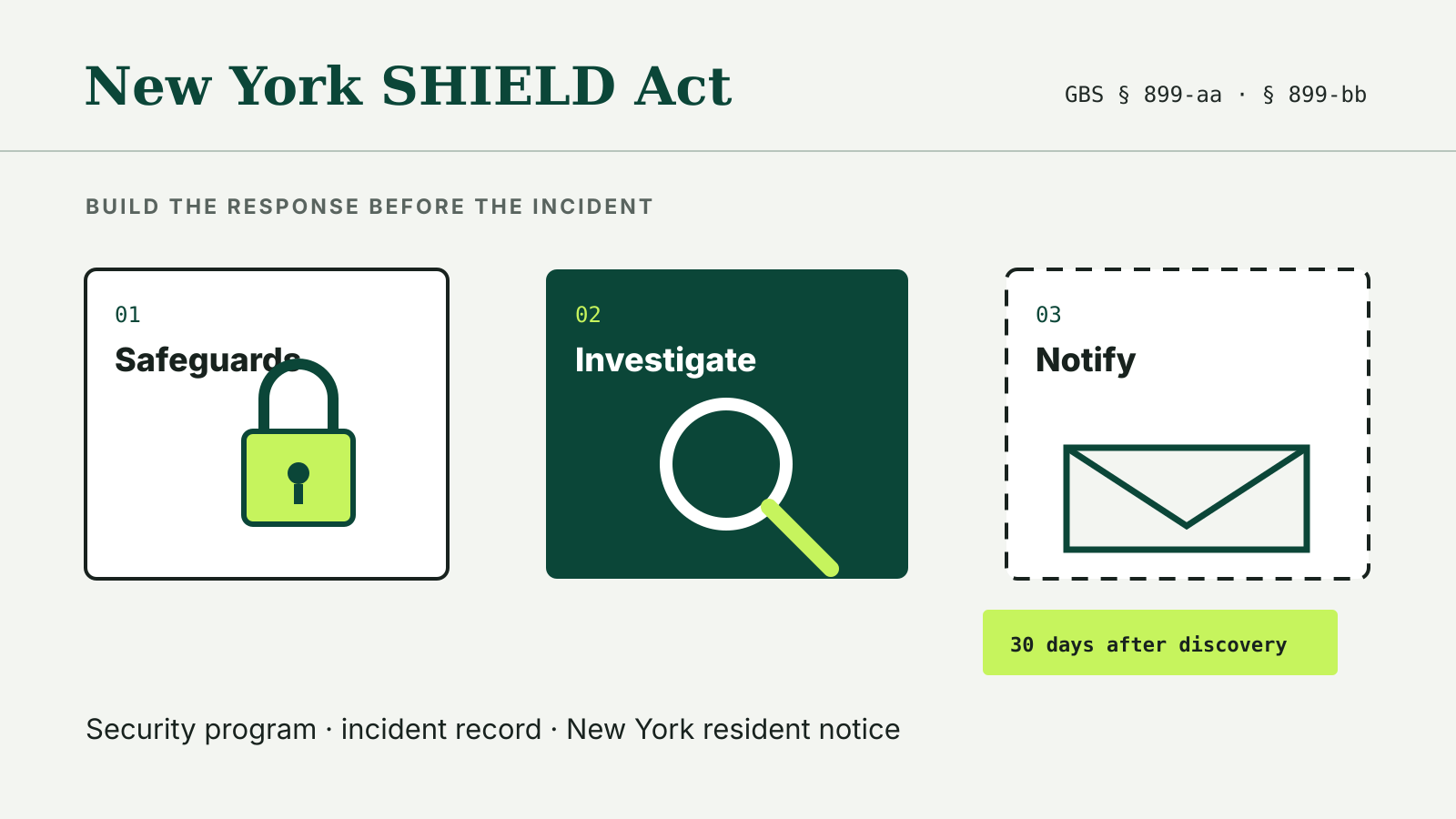
New York SHIELD Act Requirements for App Developers
The New York SHIELD Act reaches businesses outside the state when they hold New Yorkers’ private information.
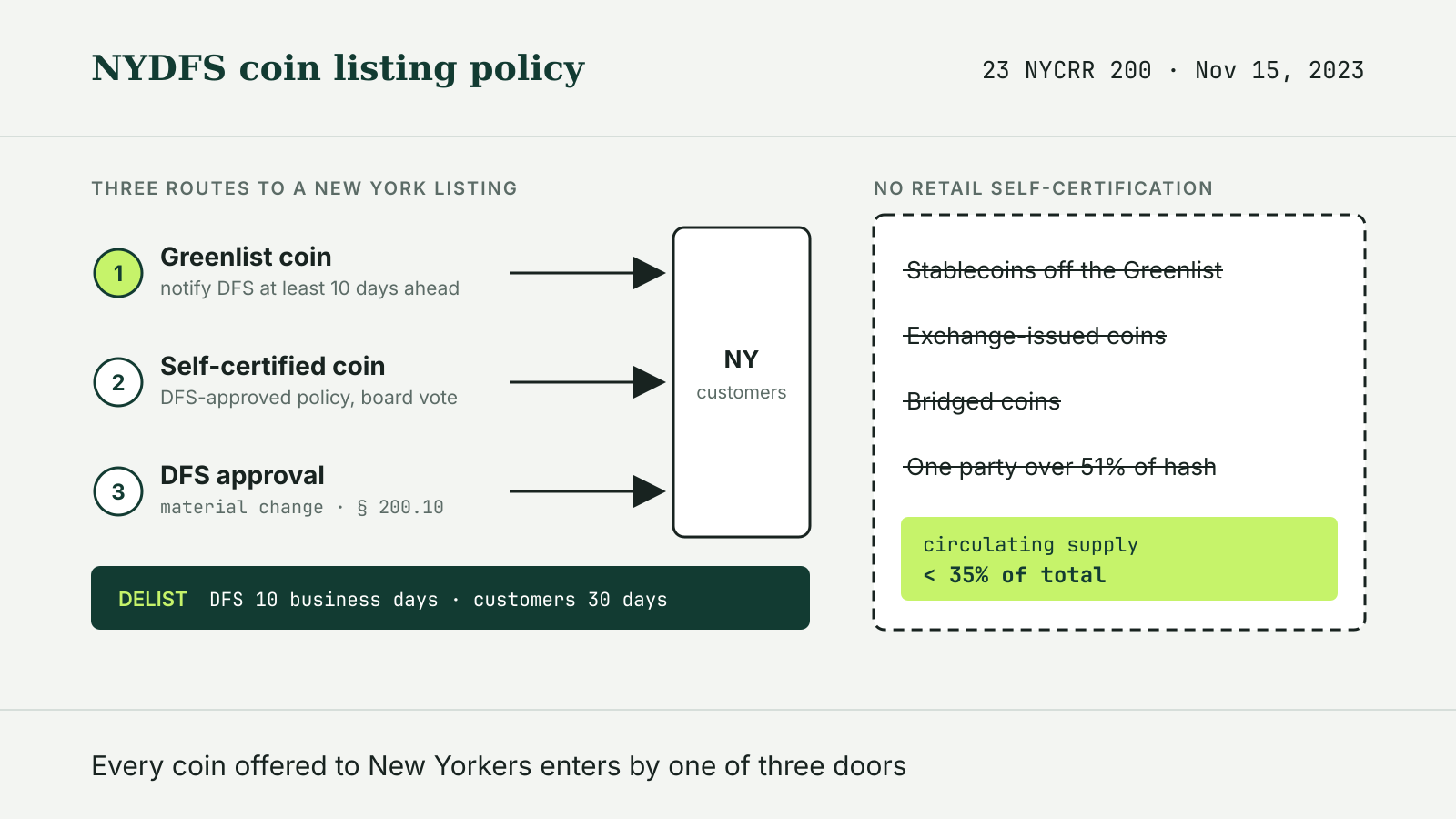
NYDFS Coin Listing Policy: Greenlist, Self-Certification, Delisting
How a New York-licensed crypto firm may add a coin: the Greenlist, self-certification and delisting rules.
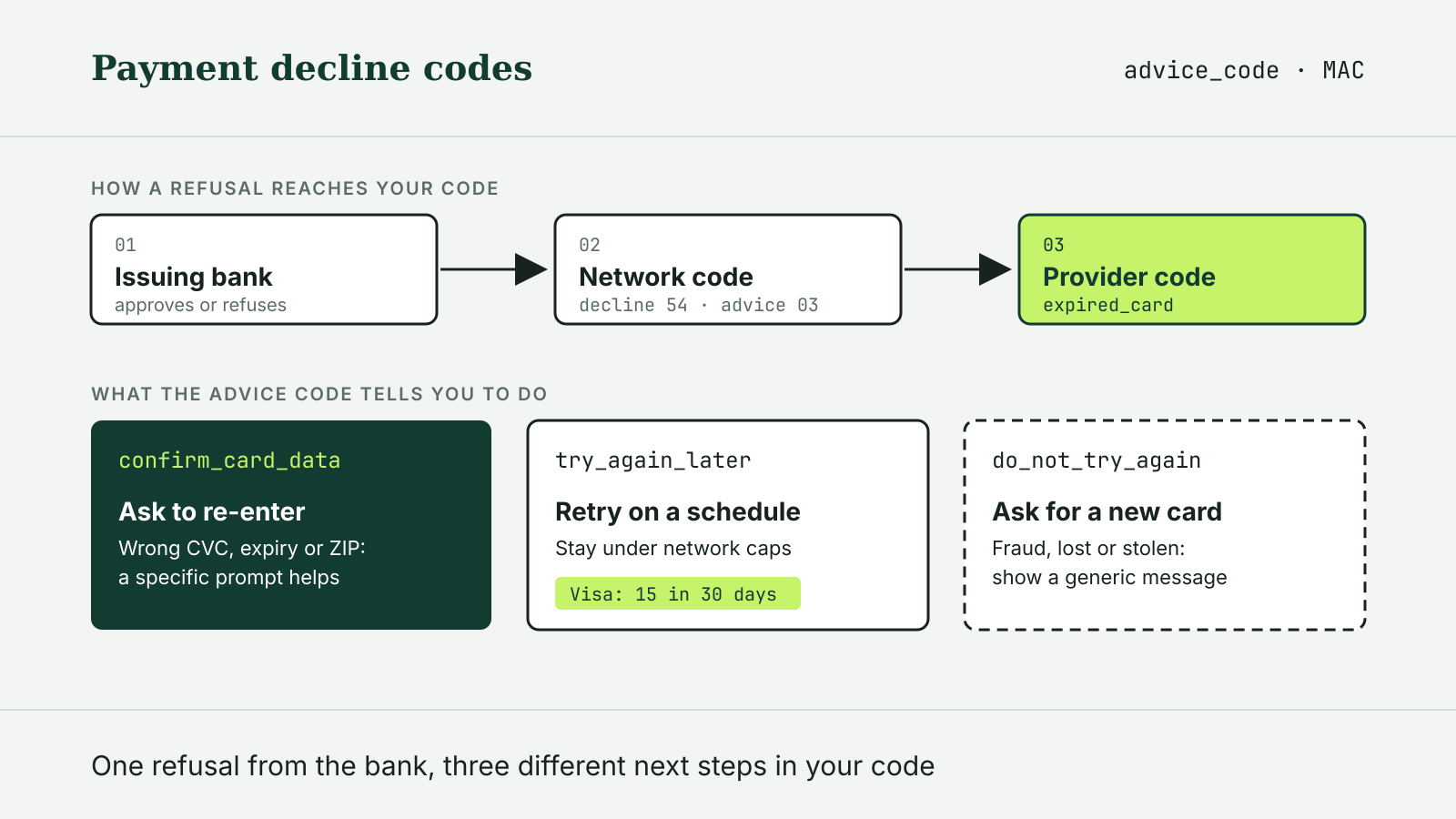
Payment Decline Codes: Reading Stripe, Adyen and Braintree Refusals
How Stripe, Adyen and Braintree report card declines, what to tell the customer and when a retry is allowed.
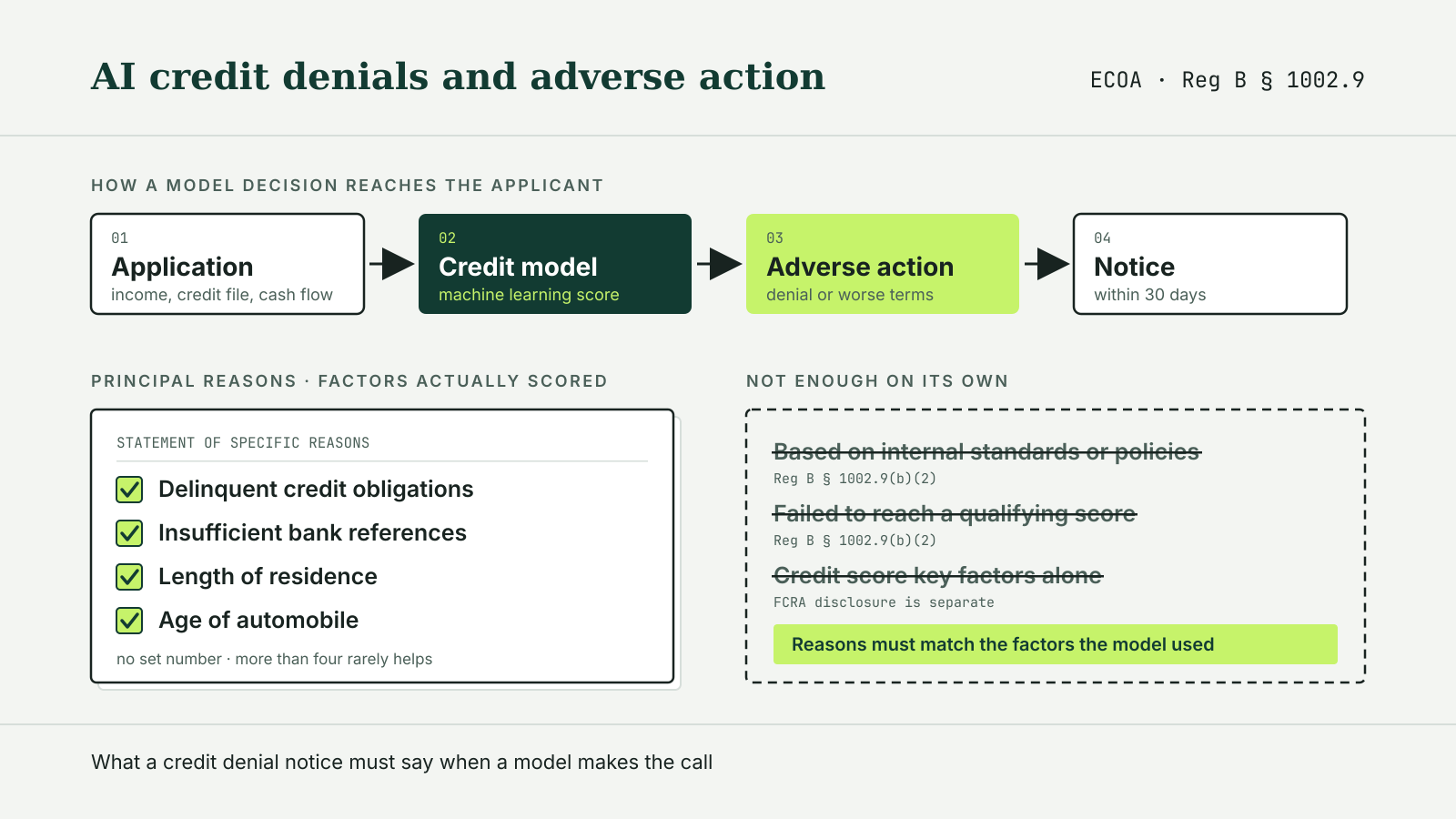
AI Credit Denials and Adverse Action Notices: What ECOA Requires
A model-driven credit denial still needs specific, accurate reasons, even after the CFPB withdrew its AI circular.
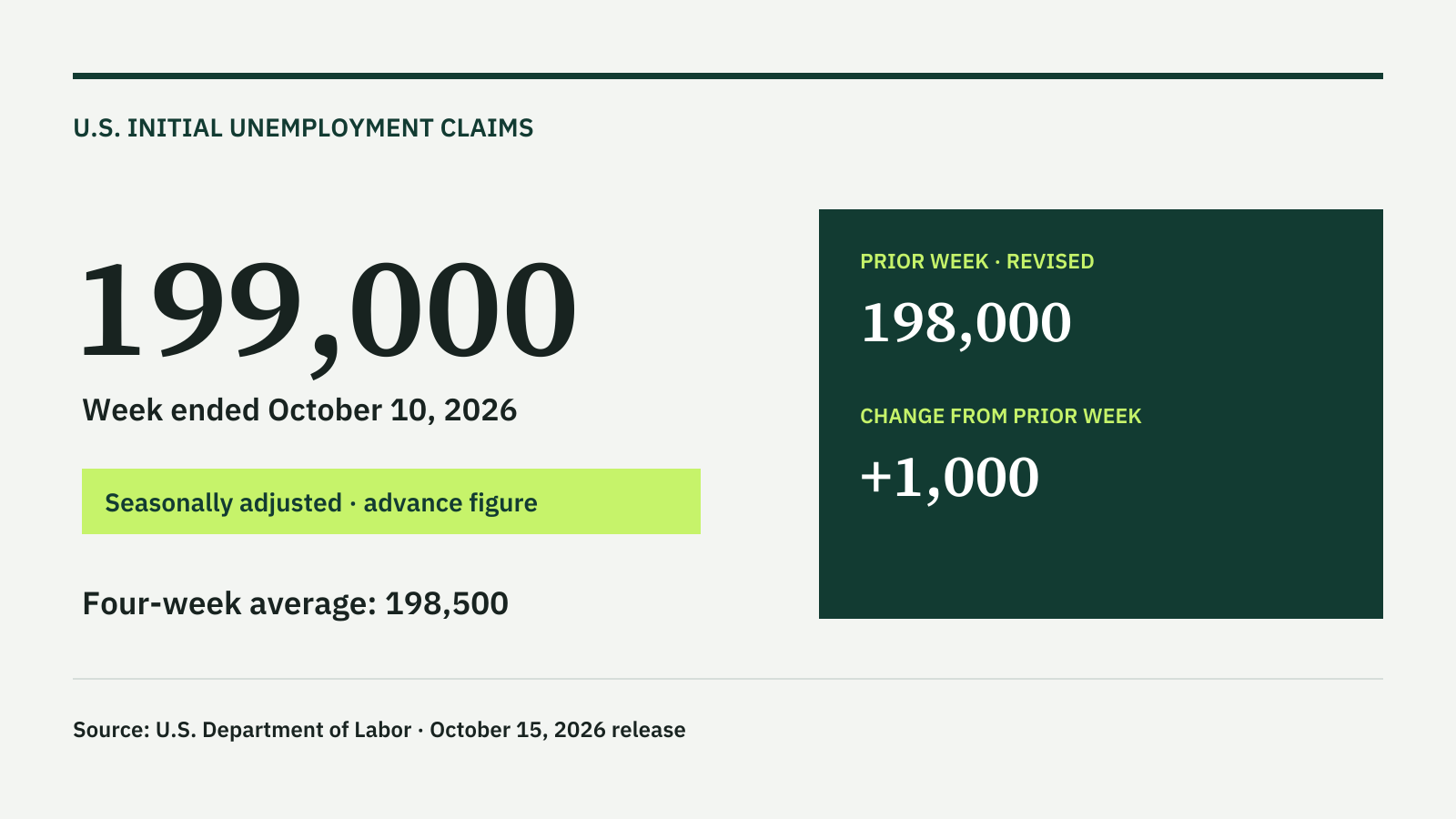
U.S. Initial Jobless Claims Rise to 199,000
The October 15 release puts initial claims 1,000 above the revised prior week; continuing claims cover an earlier week.
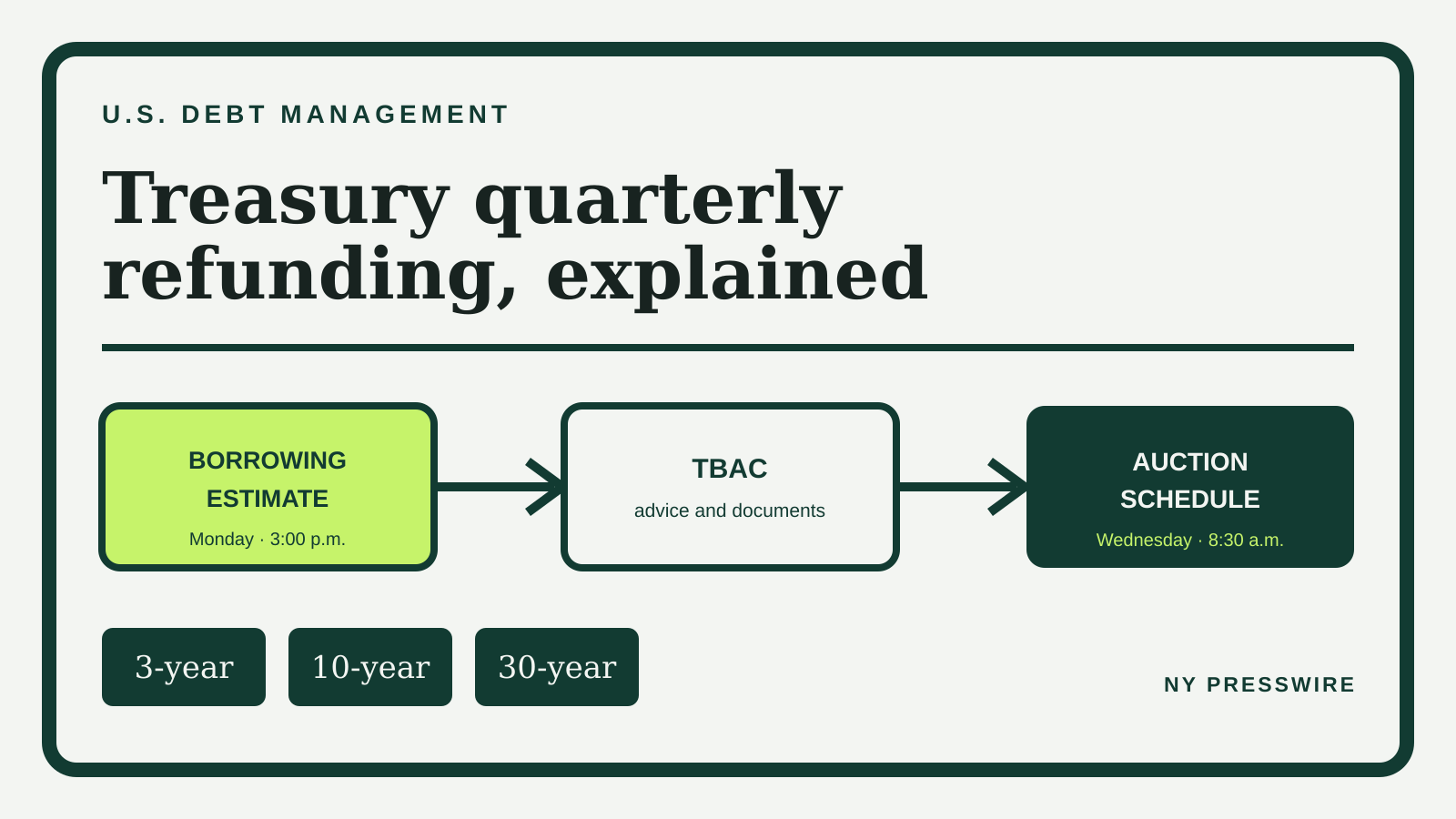
How Treasury Quarterly Refunding Works
A practical guide to Treasury borrowing estimates, TBAC materials and the auction package.
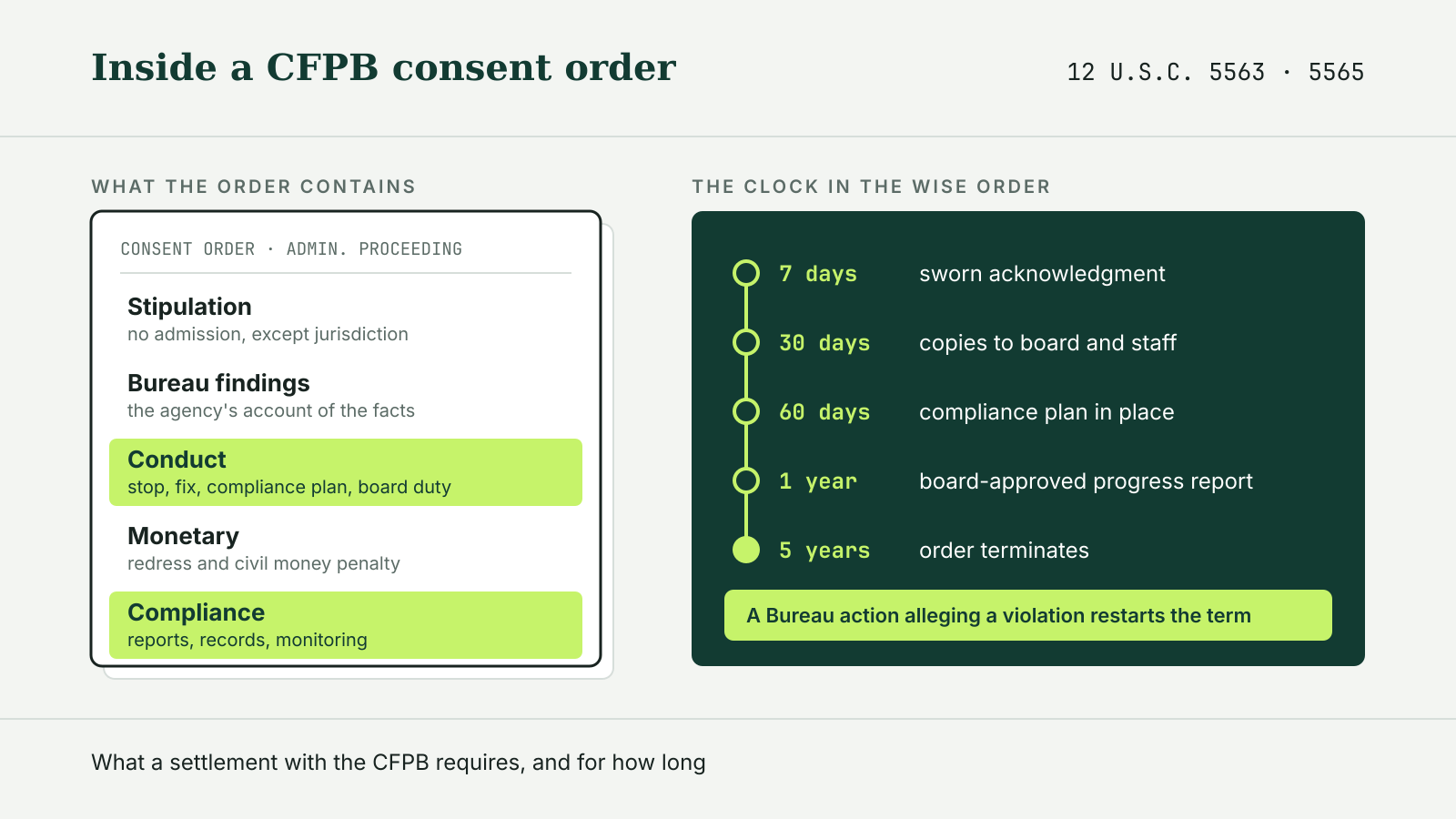
What Is a CFPB Consent Order? Terms and How Long It Lasts
What a CFPB consent order requires of a company's board and compliance team, and when it ends.
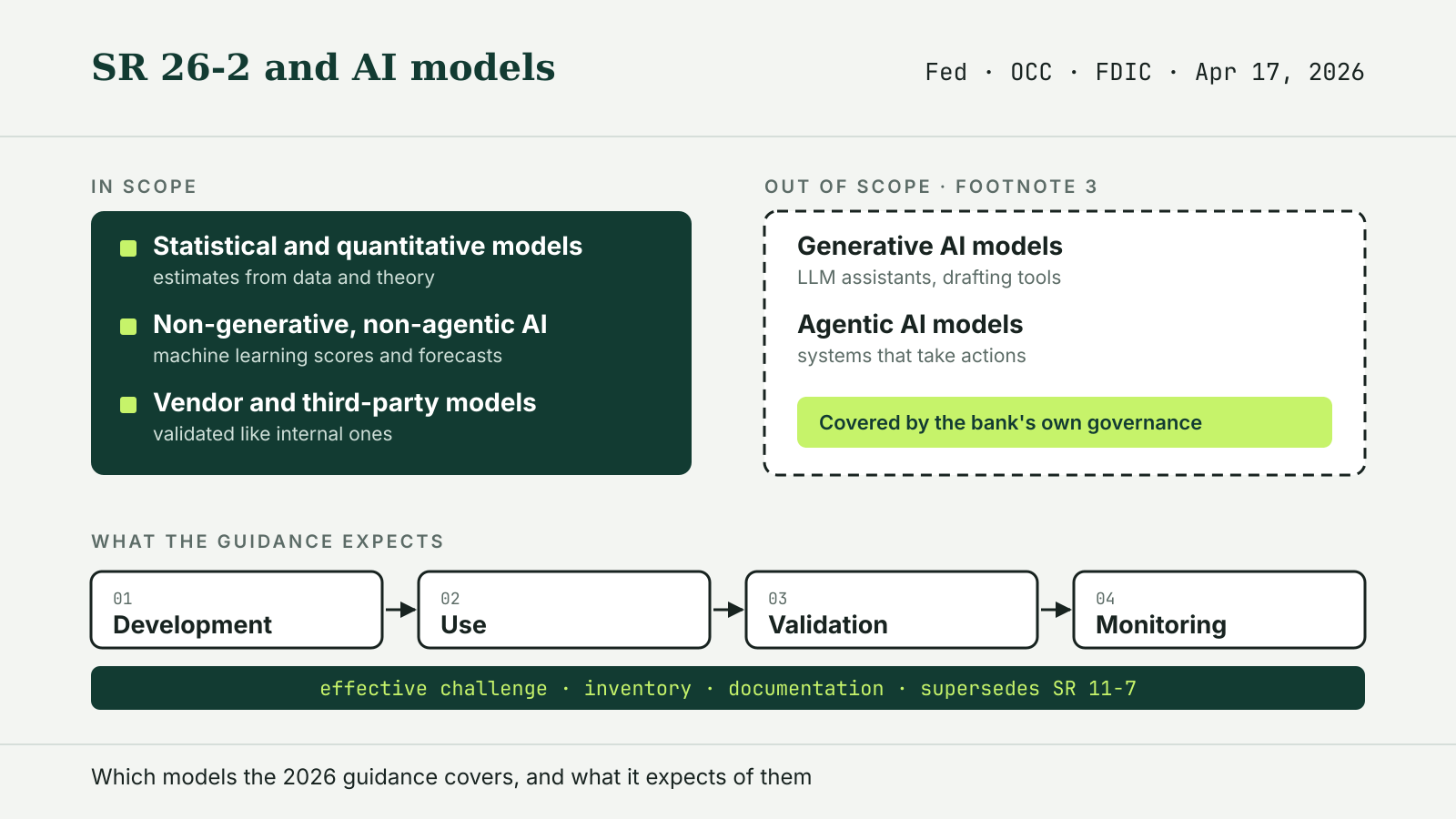
SR 26-2 Model Risk Management and Where AI Models Fit
The 2026 interagency guidance replaced SR 11-7 and left generative and agentic AI out of scope.
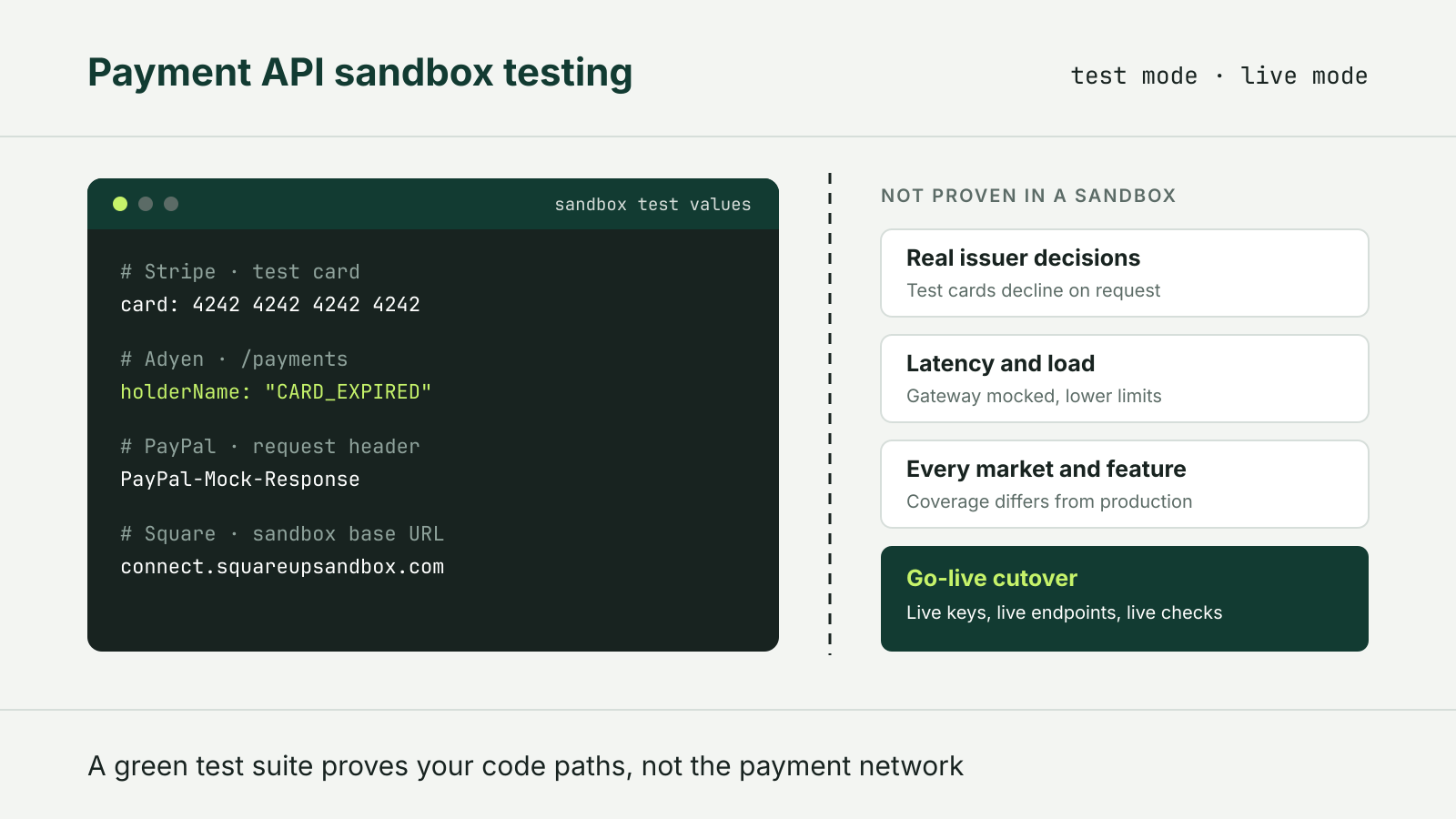
Payment API Sandbox Testing: What Test Mode Proves and What It Can't
How Stripe, Adyen, PayPal and Square sandboxes force failures, and where each says test mode differs from production.
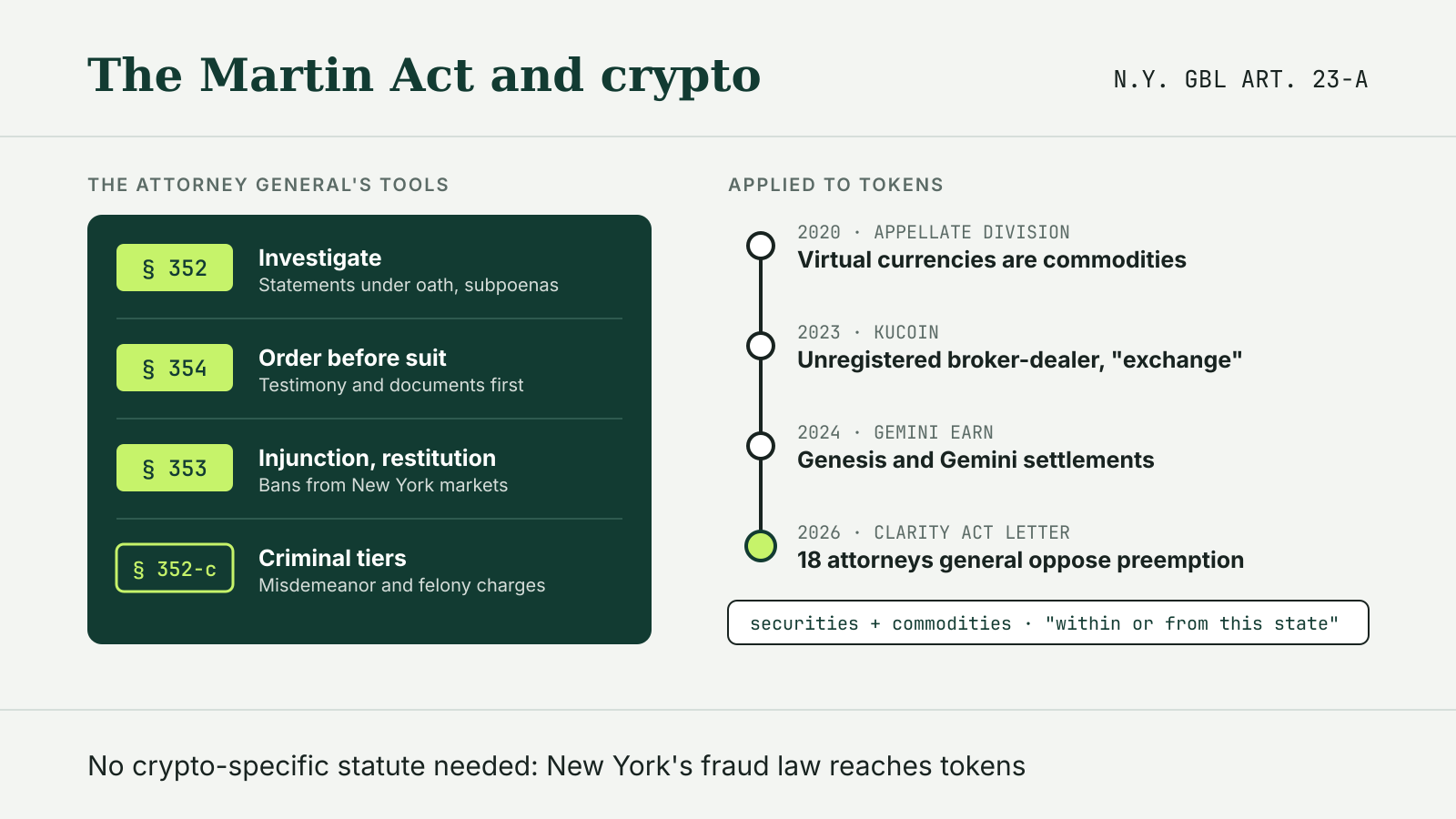
The Martin Act and Crypto: How New York Polices Tokens Without a Crypto Law
How New York's securities and commodities fraud law reaches crypto platforms, from Tether and KuCoin to Gemini Earn.
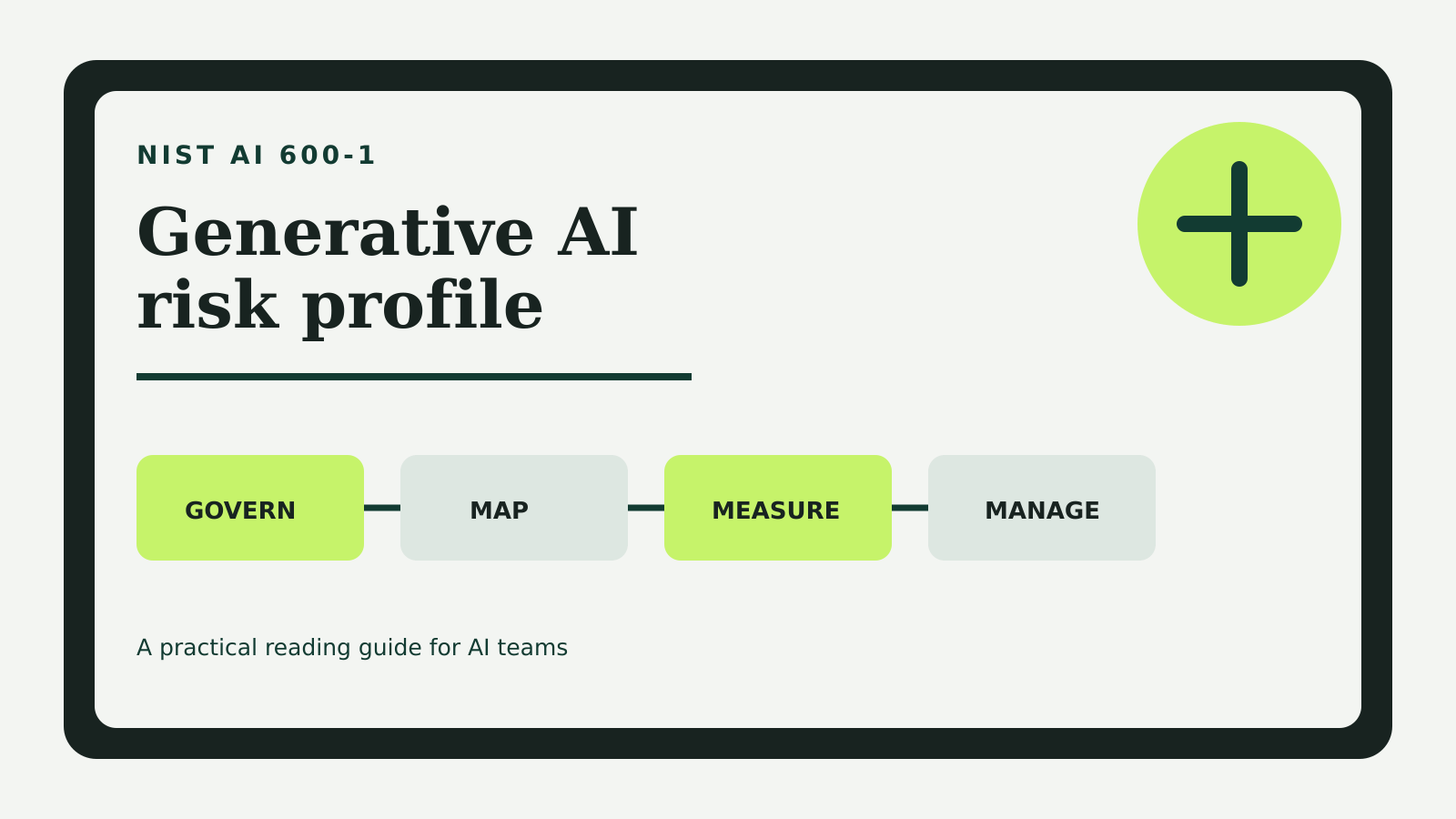
How to Use the NIST Generative AI Risk Profile
A practical guide to turning NIST AI 600-1 into owners, release tests, monitoring and incident rules.
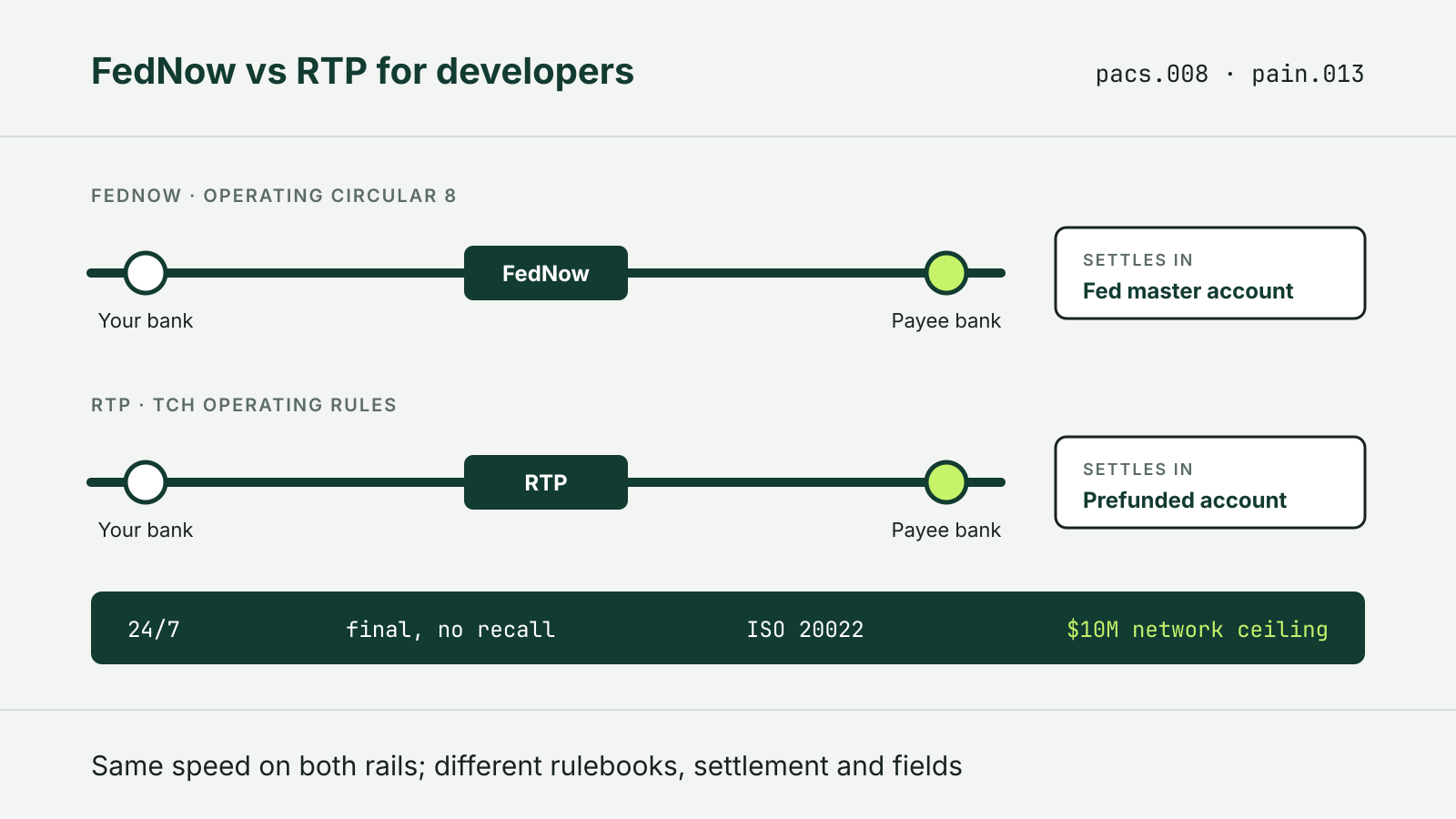
FedNow vs RTP for Developers: Two Instant Rails, Two Rulebooks
FedNow and RTP both settle instantly, 24/7. Their rulebooks, settlement, naming rules and fees differ.
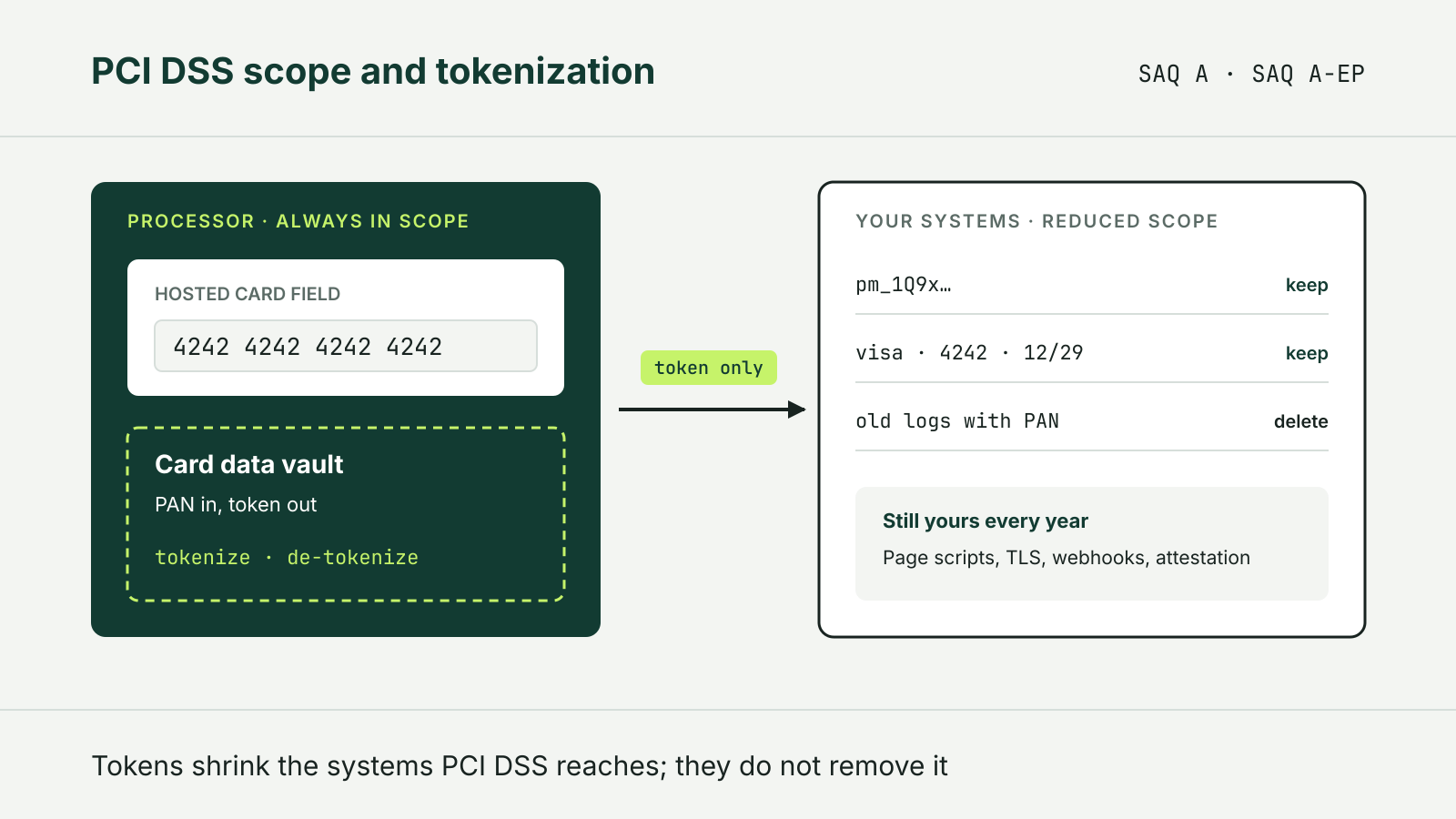
PCI DSS Scope and Tokenization: What Leaves Your Plate, What Stays
What tokens take out of PCI DSS scope, what stays in, and how a hosted card form decides SAQ A or A-EP.
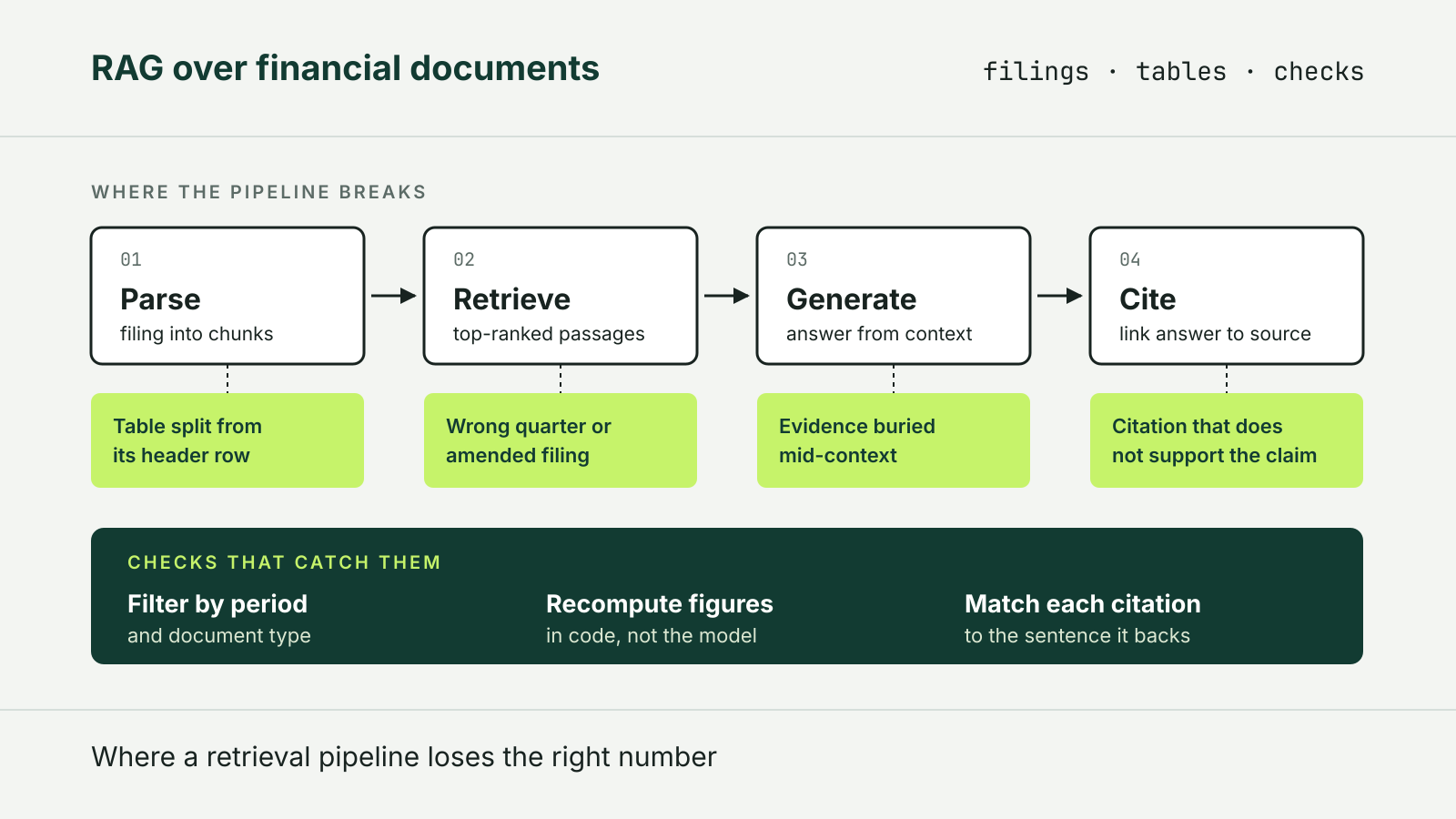
RAG for Financial Documents: Where Retrieval Breaks
What FinanceBench, DocFinQA and other studies found about retrieval over filings, and the checks that catch it.
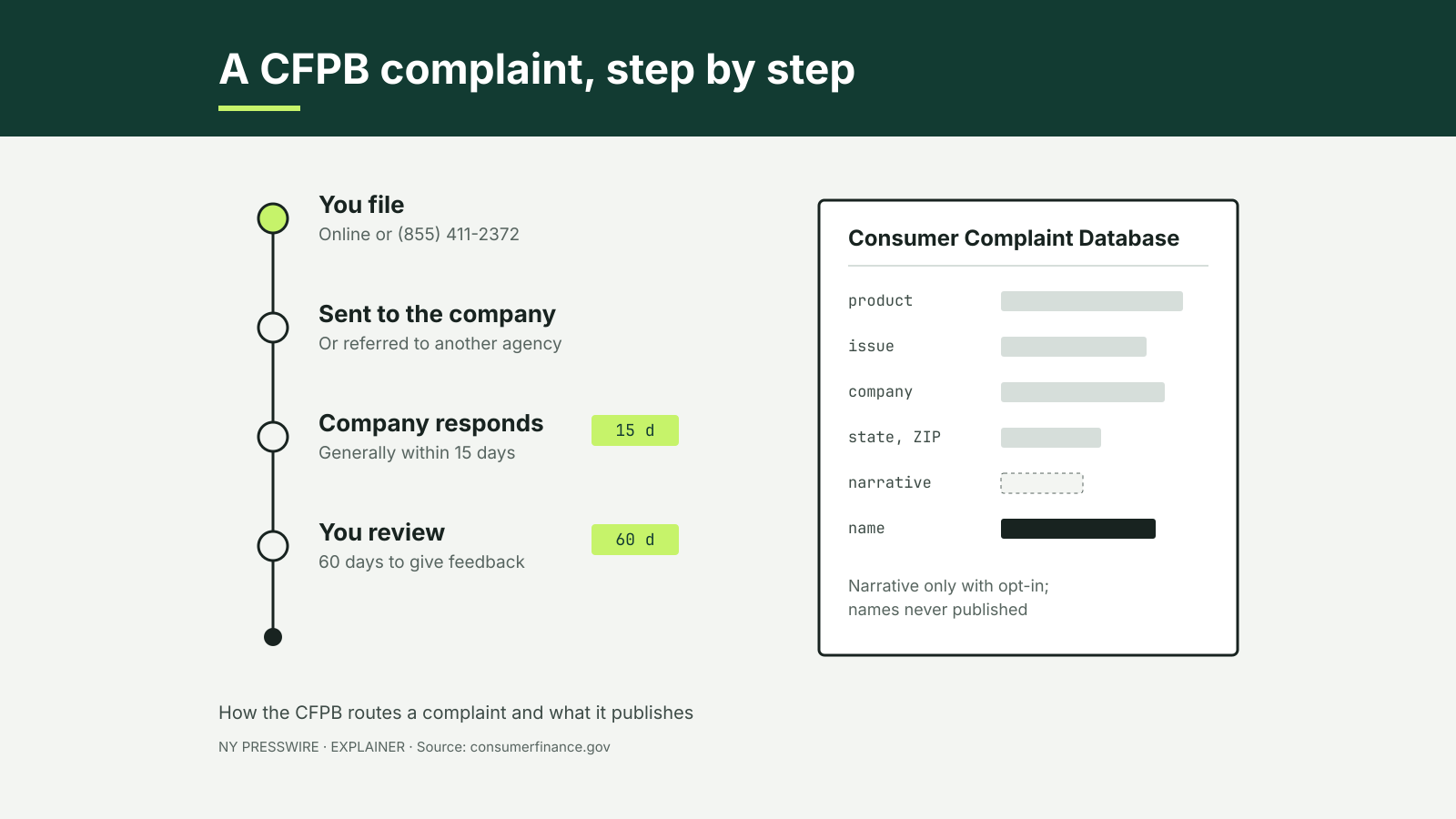
How to File a CFPB Complaint, and What Happens Next
Filing steps, response deadlines, what the public database shows and how complaints differ from enforcement.
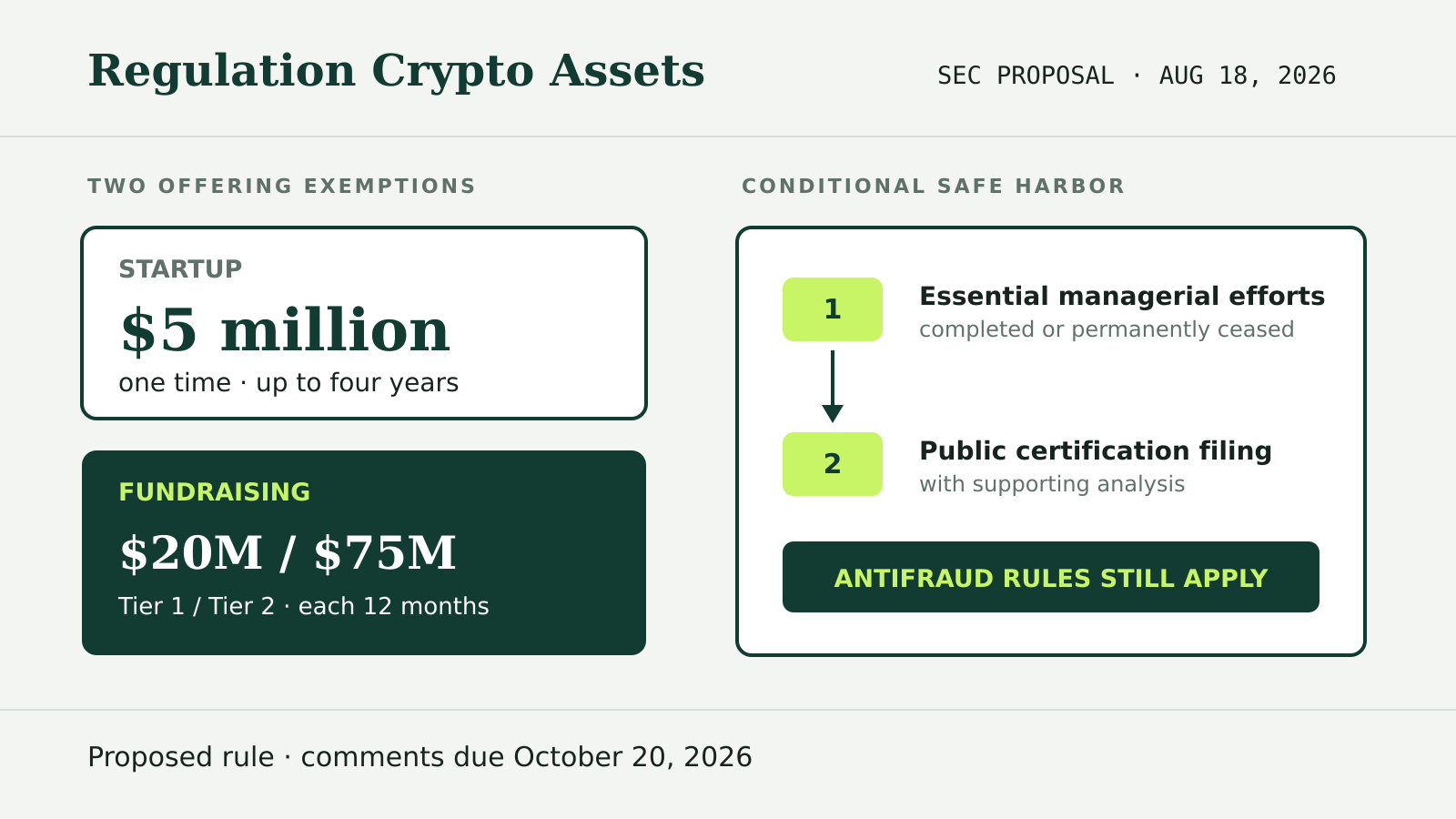
Regulation Crypto Assets Proposal: Two SEC Exemptions
The SEC proposes a $5M startup route, two fundraising tiers and a conditional safe harbor for crypto contracts.
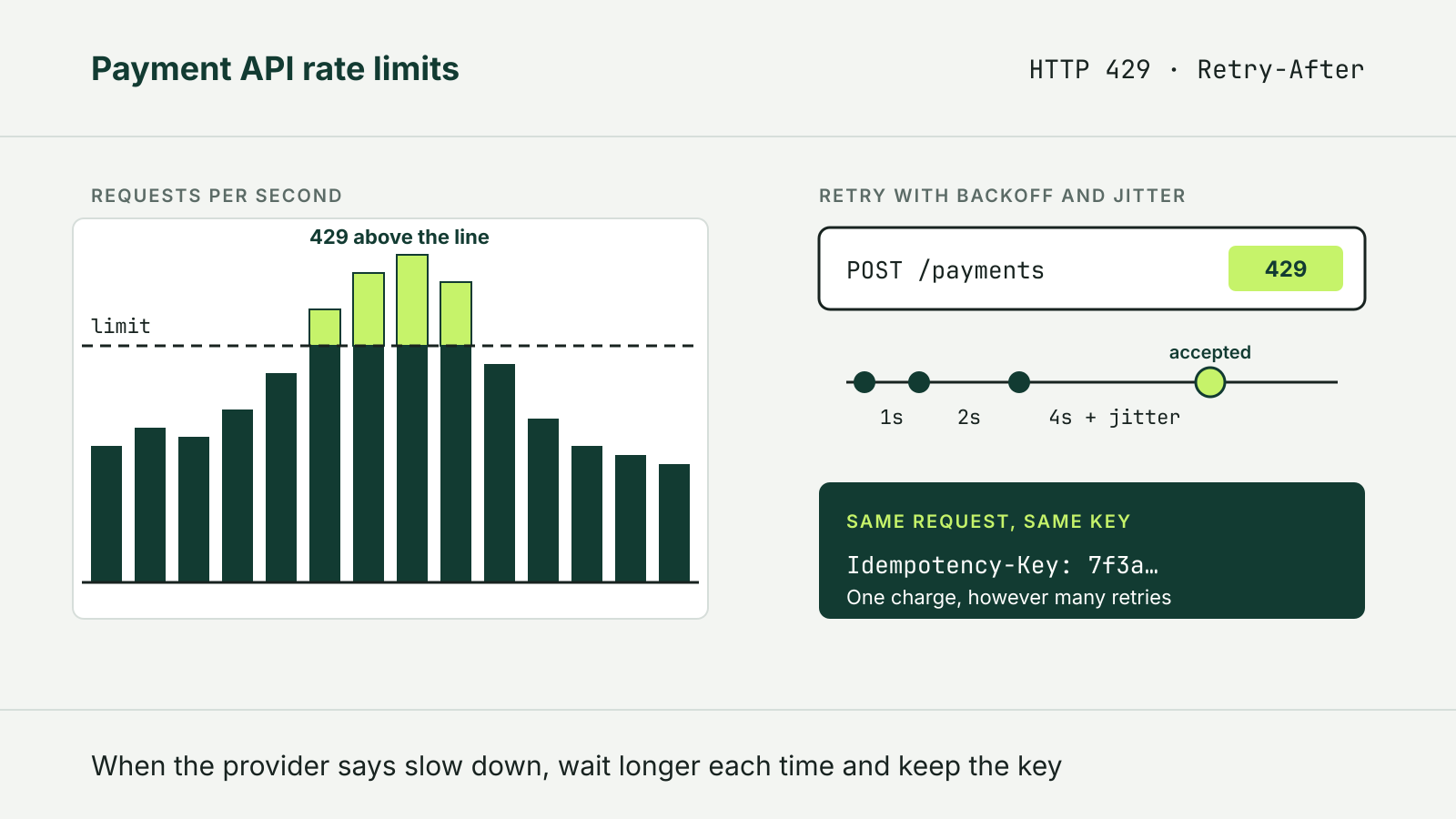
Payment API Rate Limits: Handling a 429 at Stripe, Square and PayPal
How Stripe, Square and PayPal throttle API calls, and how to retry a 429 without charging twice.
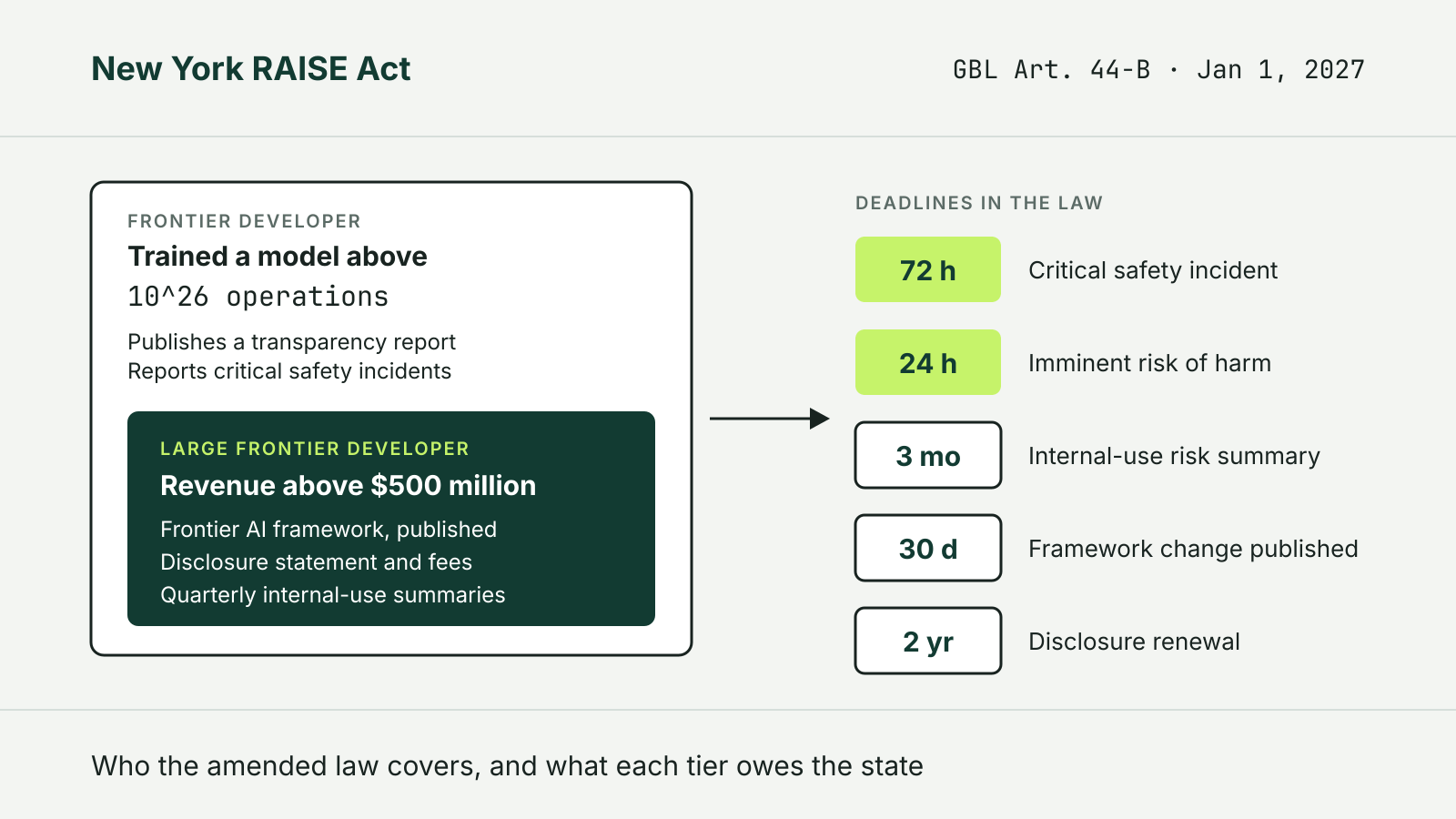
New York's RAISE Act: What Frontier AI Developers Must Do
What the amended New York RAISE Act asks of frontier AI developers from January 1, 2027.
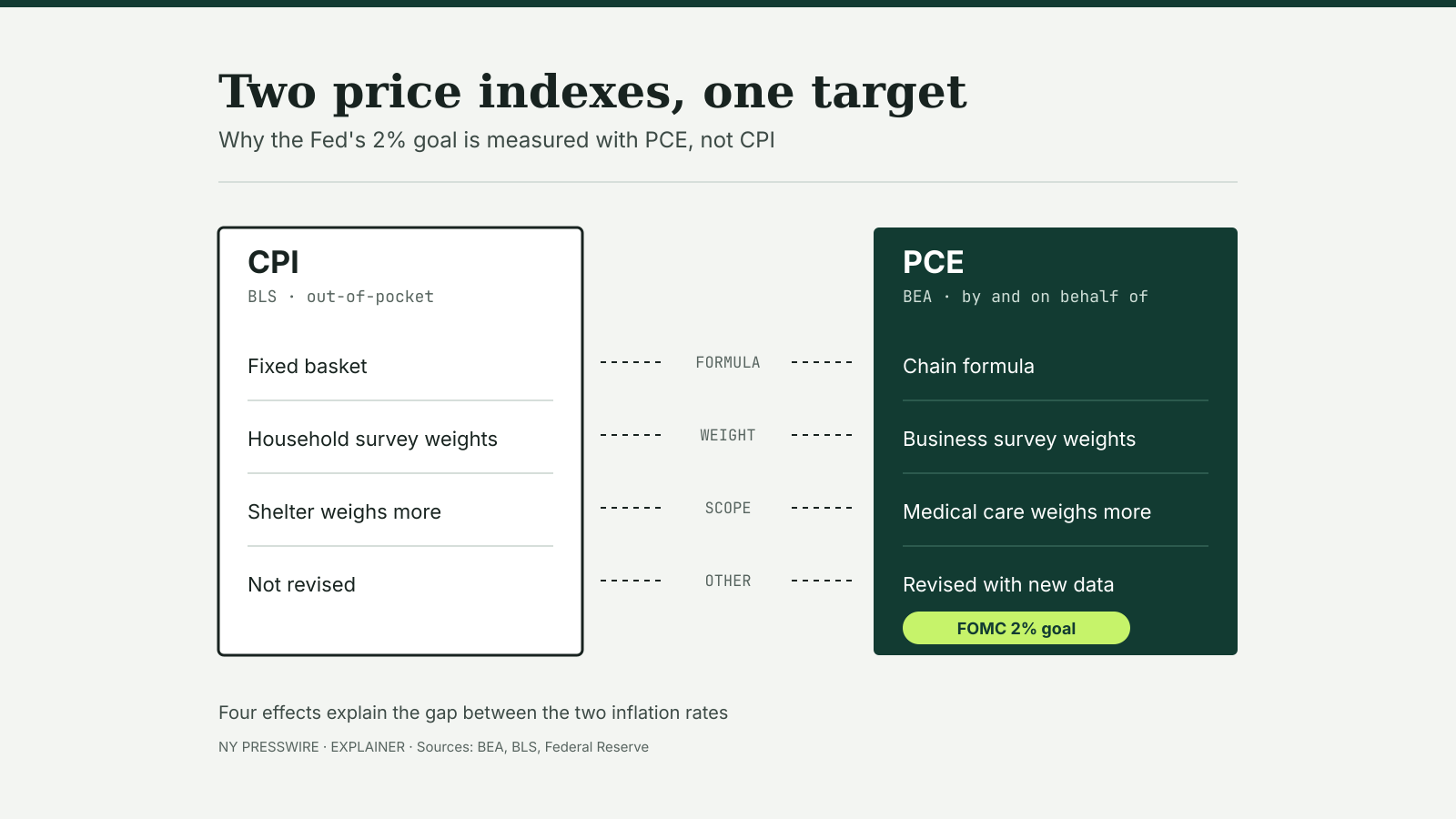
PCE vs CPI: Why the Fed Targets a Different Inflation Gauge
Formula, weights and scope explain why PCE inflation usually runs below CPI, and why the Fed's 2% goal uses PCE.
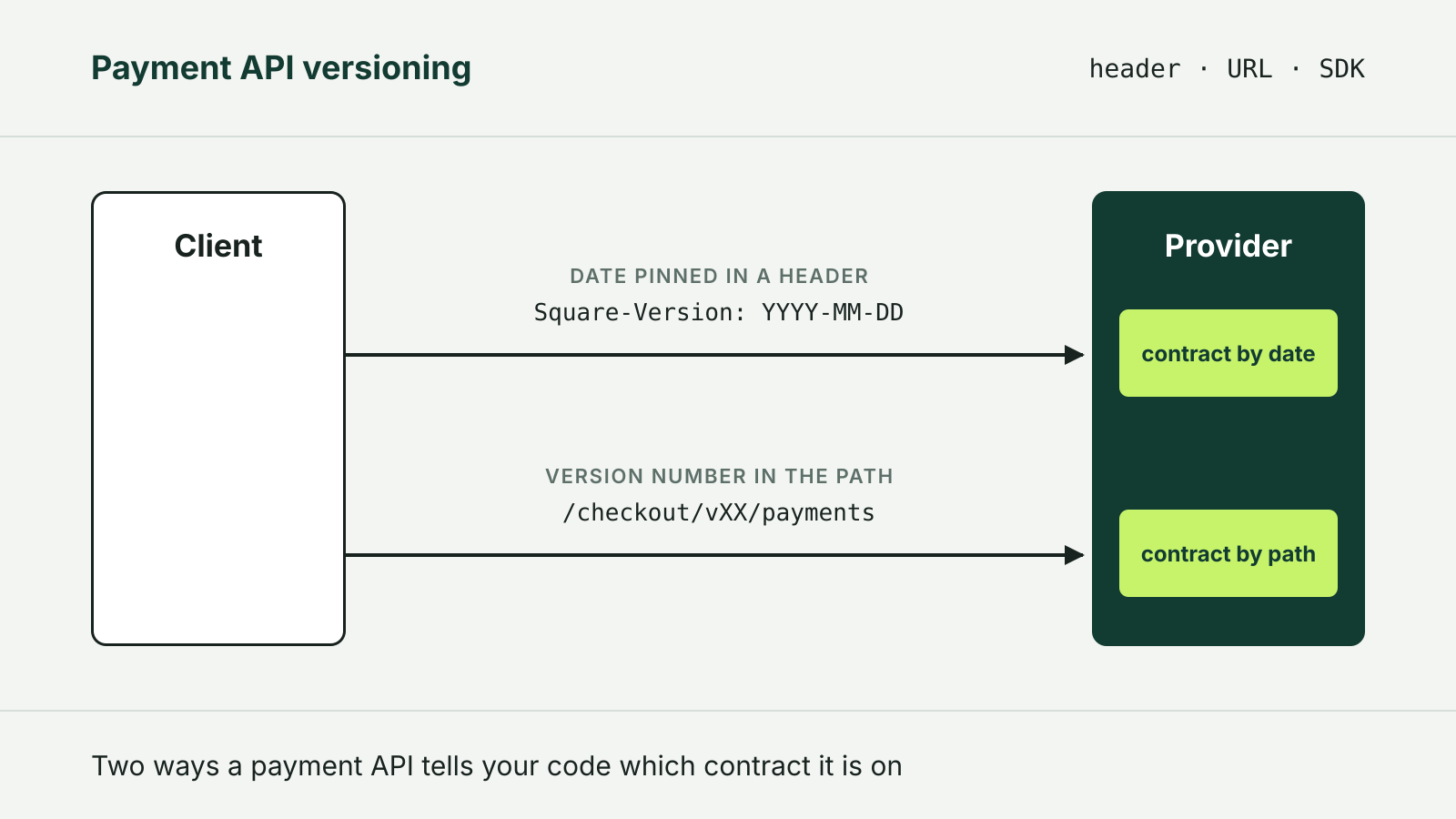
Payment API Versioning: Dated Headers vs Version Numbers in the URL
How Stripe, Square, Adyen and PayPal ship breaking changes, and what each model means for your code.
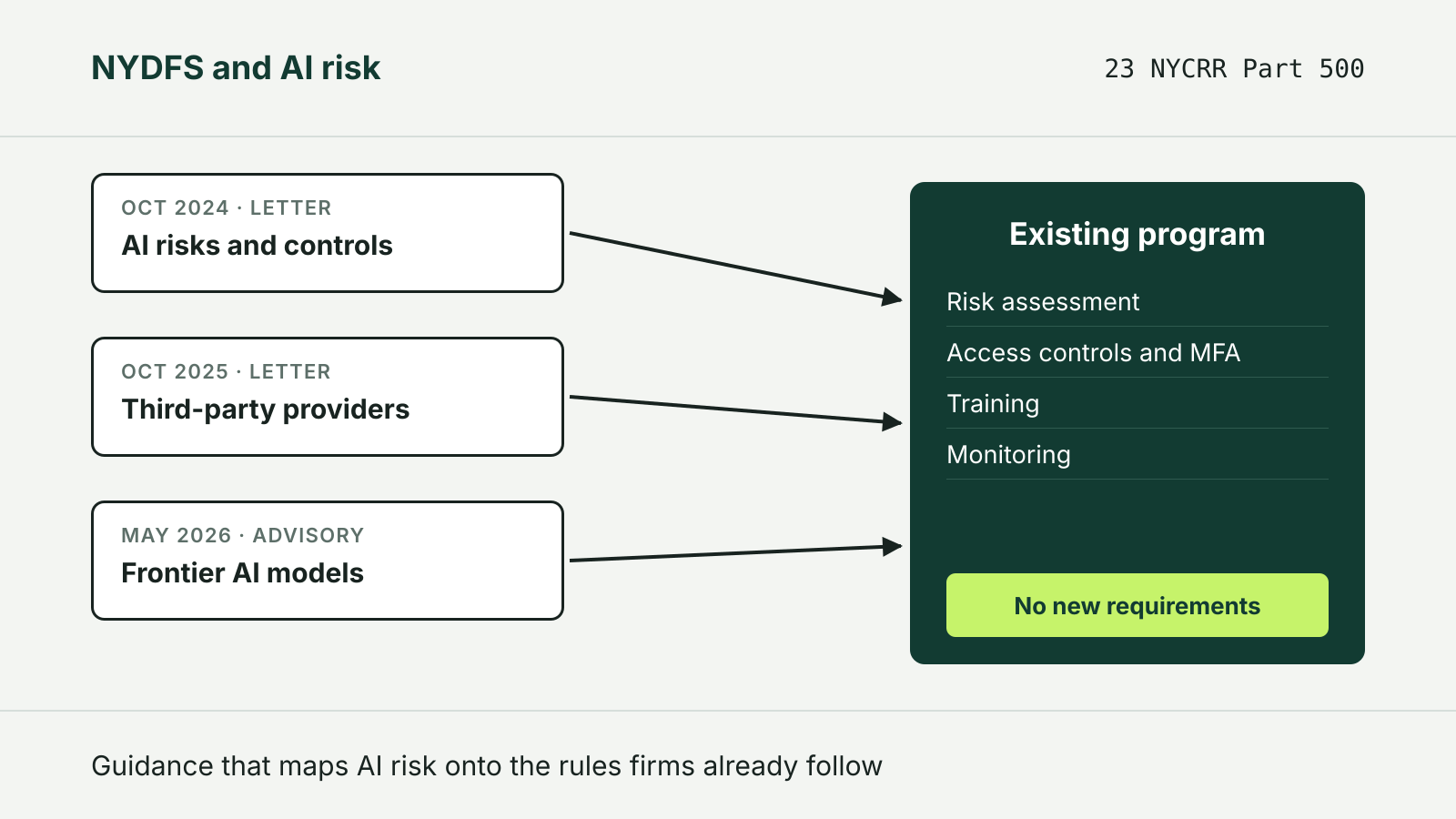
NYDFS AI Cybersecurity Guidance: What Three Letters Ask of Regulated Firms
How New York's financial regulator applies Part 500 to deepfakes, AI vendors and frontier models.
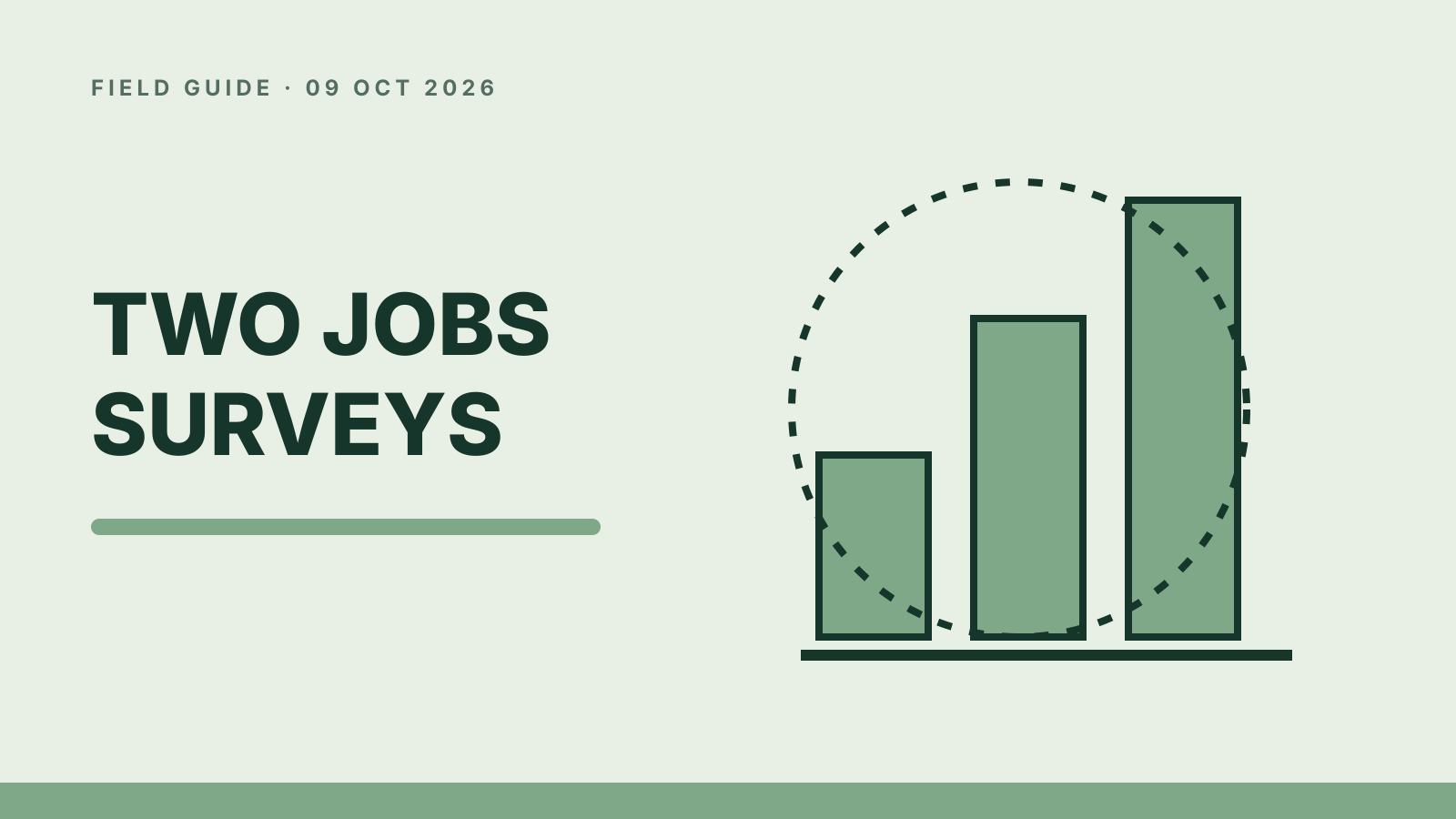
Establishment vs household survey: US jobs data
The payroll and household surveys measure different populations, so monthly estimates can diverge.
SEC innovation exemption for tokenized stocks
The SEC relief covers defined DLT venues and conditions. Tokenized stocks remain securities.
NYDFS Part 500 Requirements for Fintech and Crypto Firms
A working guide to cybersecurity controls, notices, annual filings and exemptions under NYDFS Part 500.