
Fintech
The payment systems and financial services people use to move money.
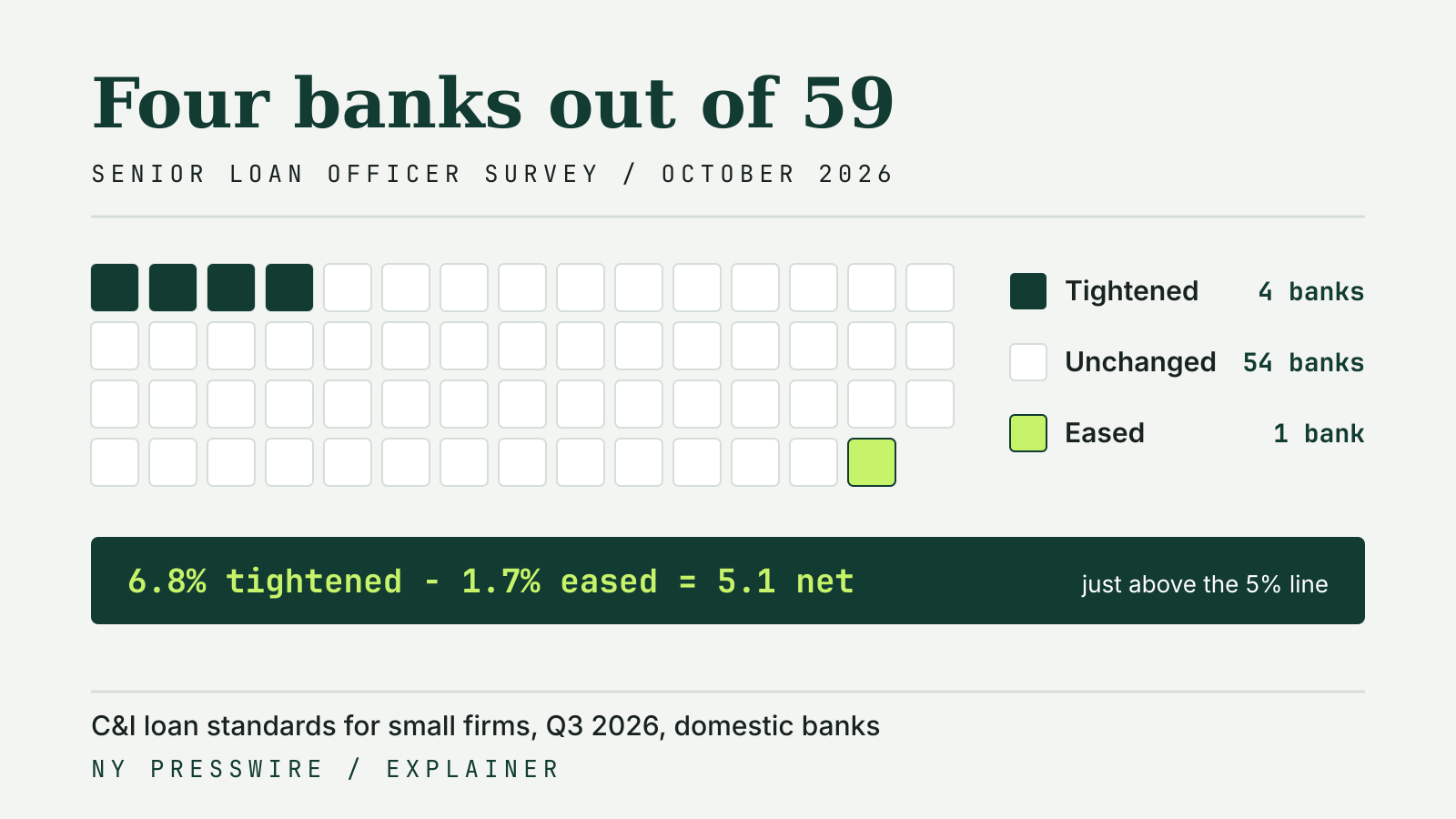
Senior Loan Officer Opinion Survey: How to Read It
How the Fed's SLOOS turns bank answers into net percentages, worked through the October 2026 survey.
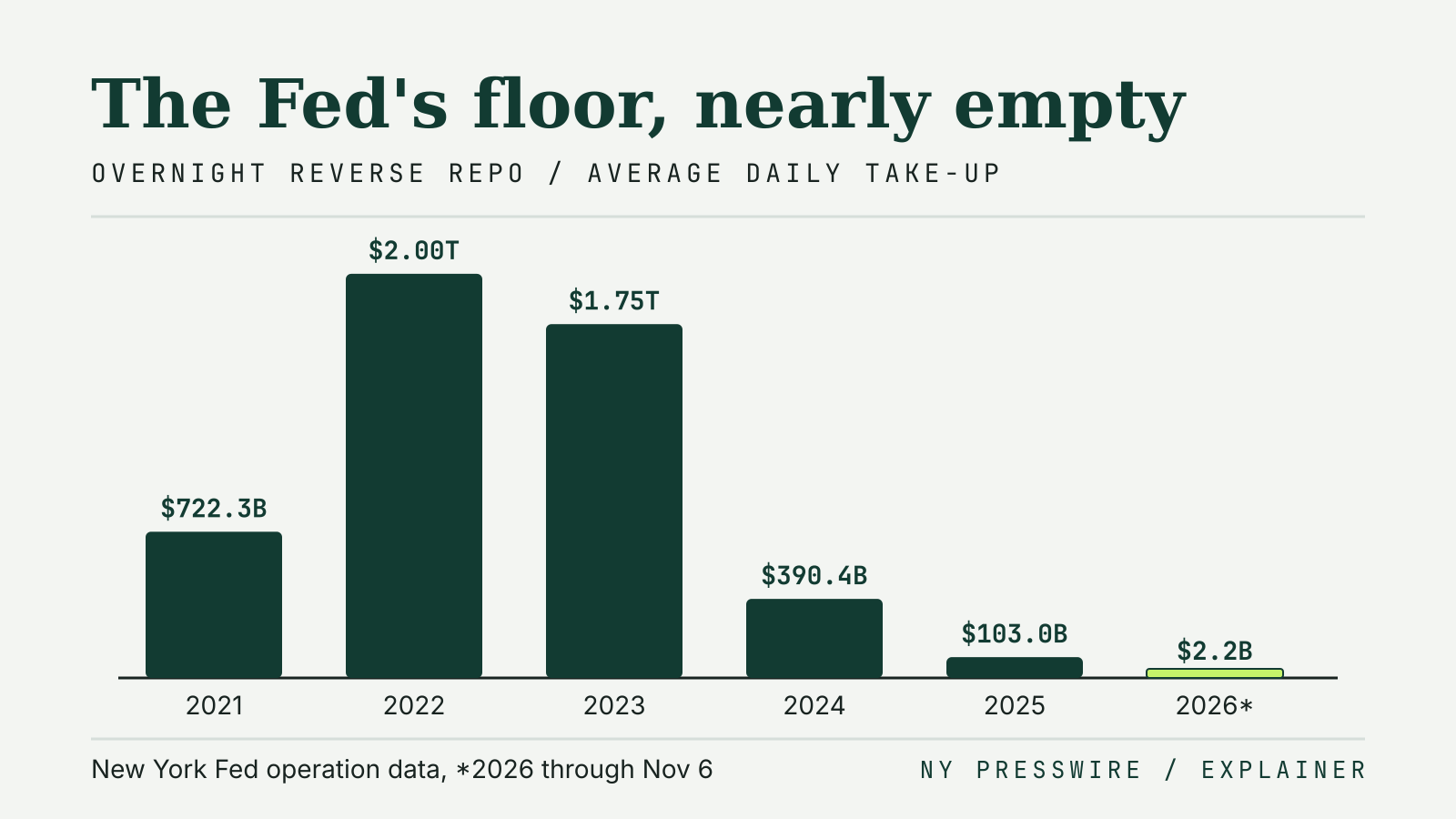
Overnight Reverse Repo Facility: Why the Fed's Floor Sits Empty
How the Fed's ON RRP sets a floor at 3.75%, and why take-up fell from $2.55T in 2022 to $150M on Nov 6, 2026.
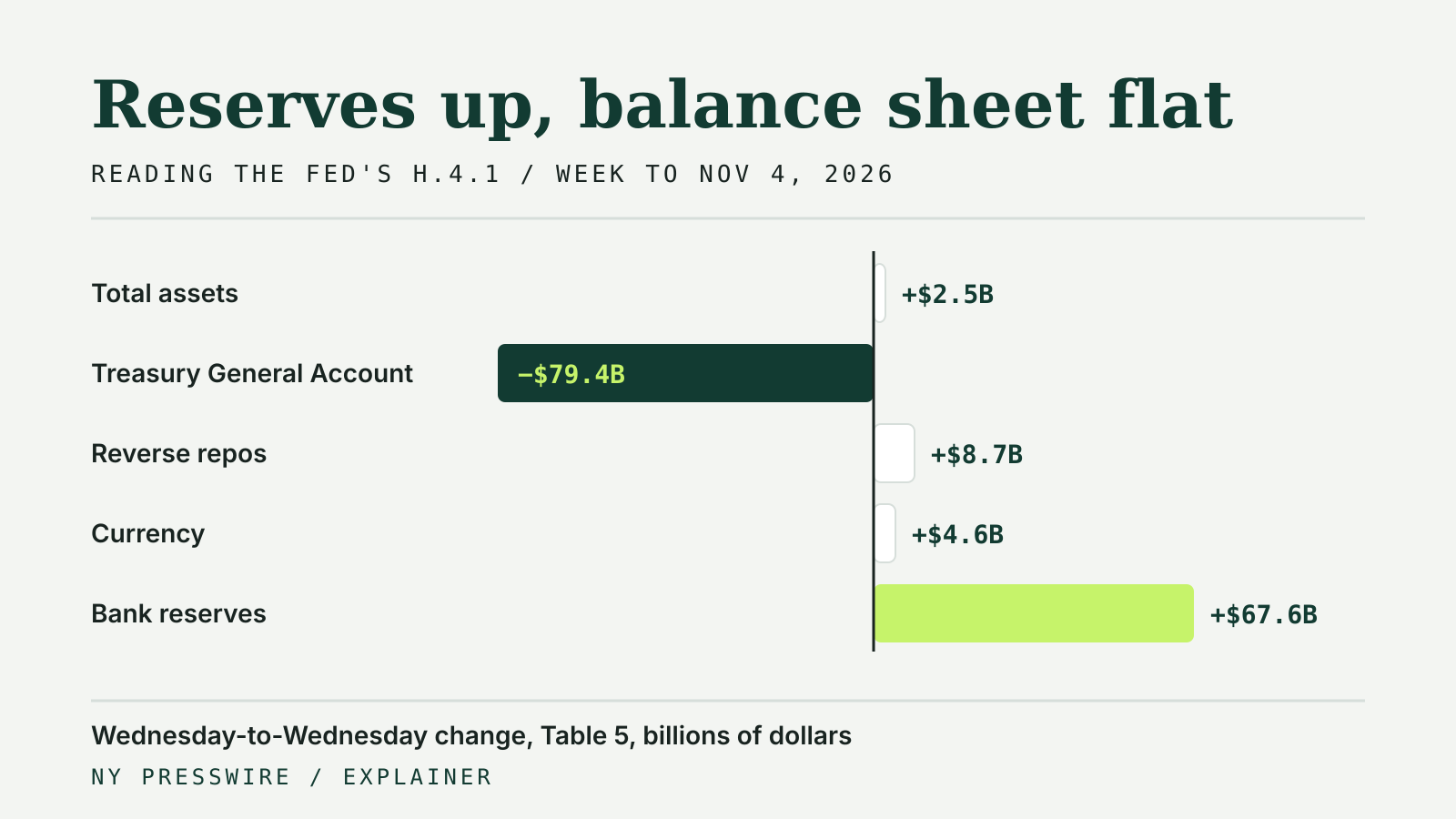
How to Read the Fed's H.4.1 Balance Sheet Release
Which H.4.1 table answers which question, worked through Nov 5, 2026: reserves up $67.6B as the TGA fell.
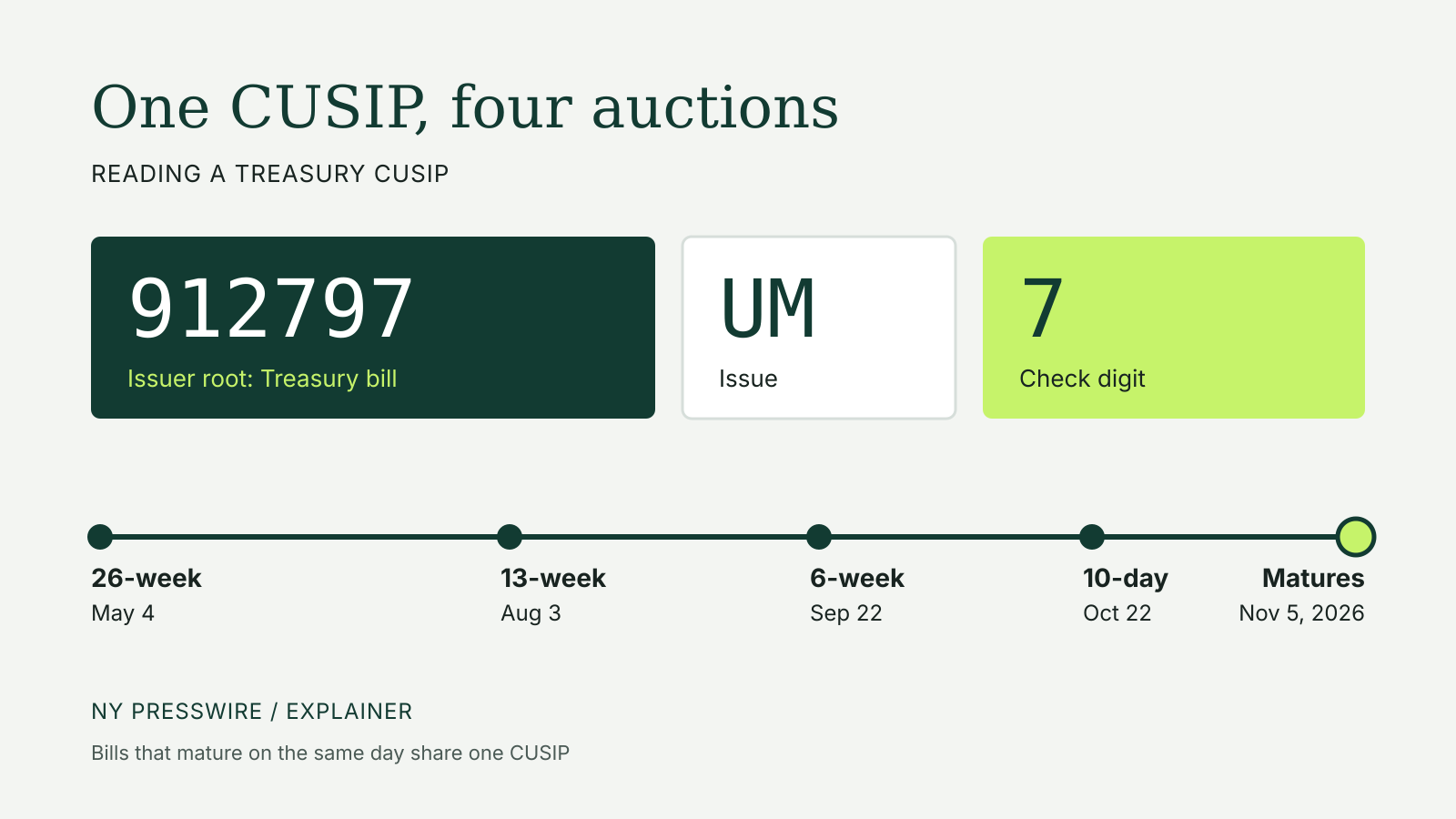
Treasury CUSIP Meaning: What 912797 and 91282C Tell You
What the 912797, 91282C and 912810 roots mean, and why one T-bill CUSIP is sold at several auctions.
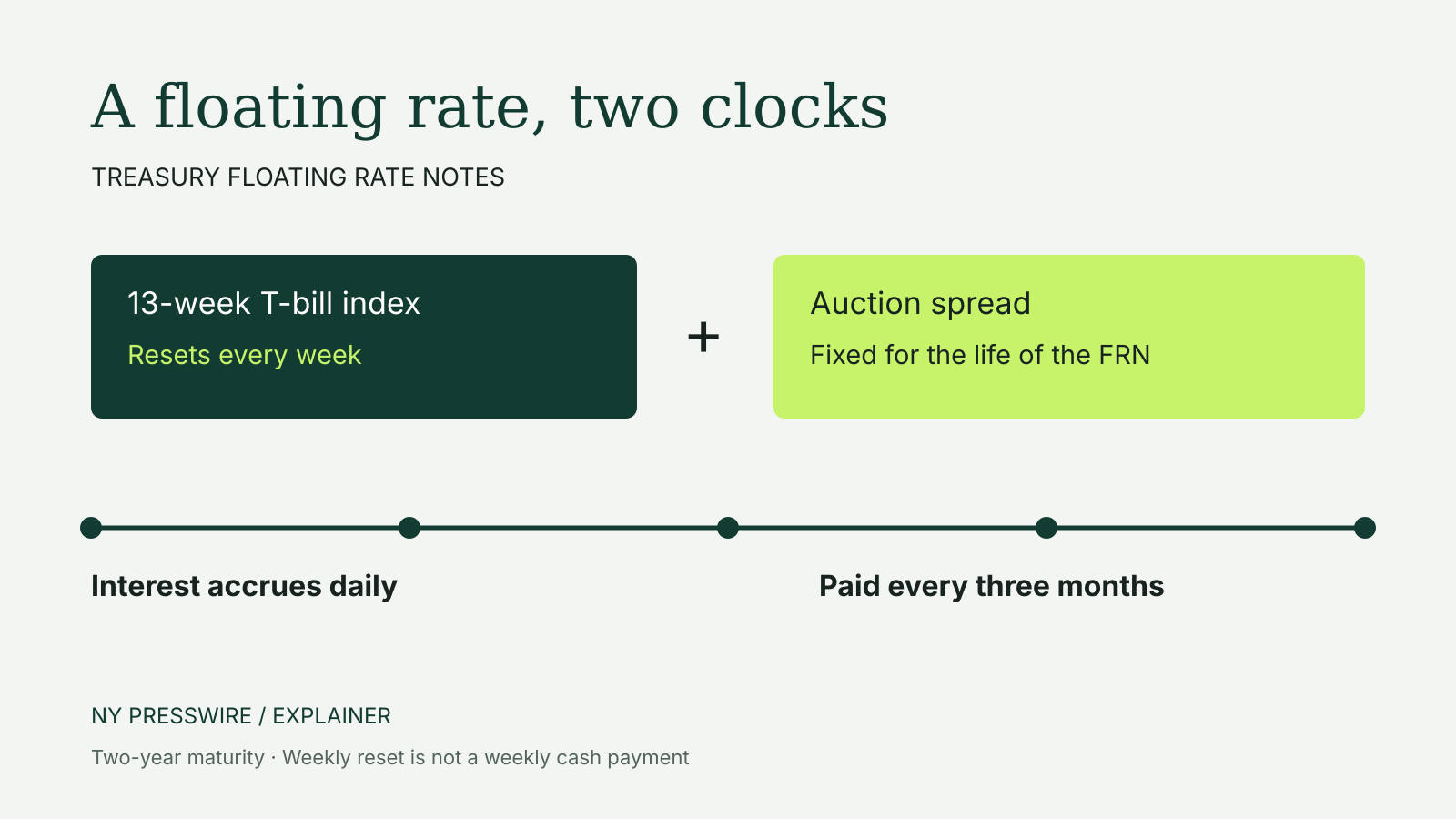
Treasury Floating Rate Notes: Two Clocks for Interest
How a Treasury FRN combines a weekly-resetting index, a fixed spread and quarterly interest payments.
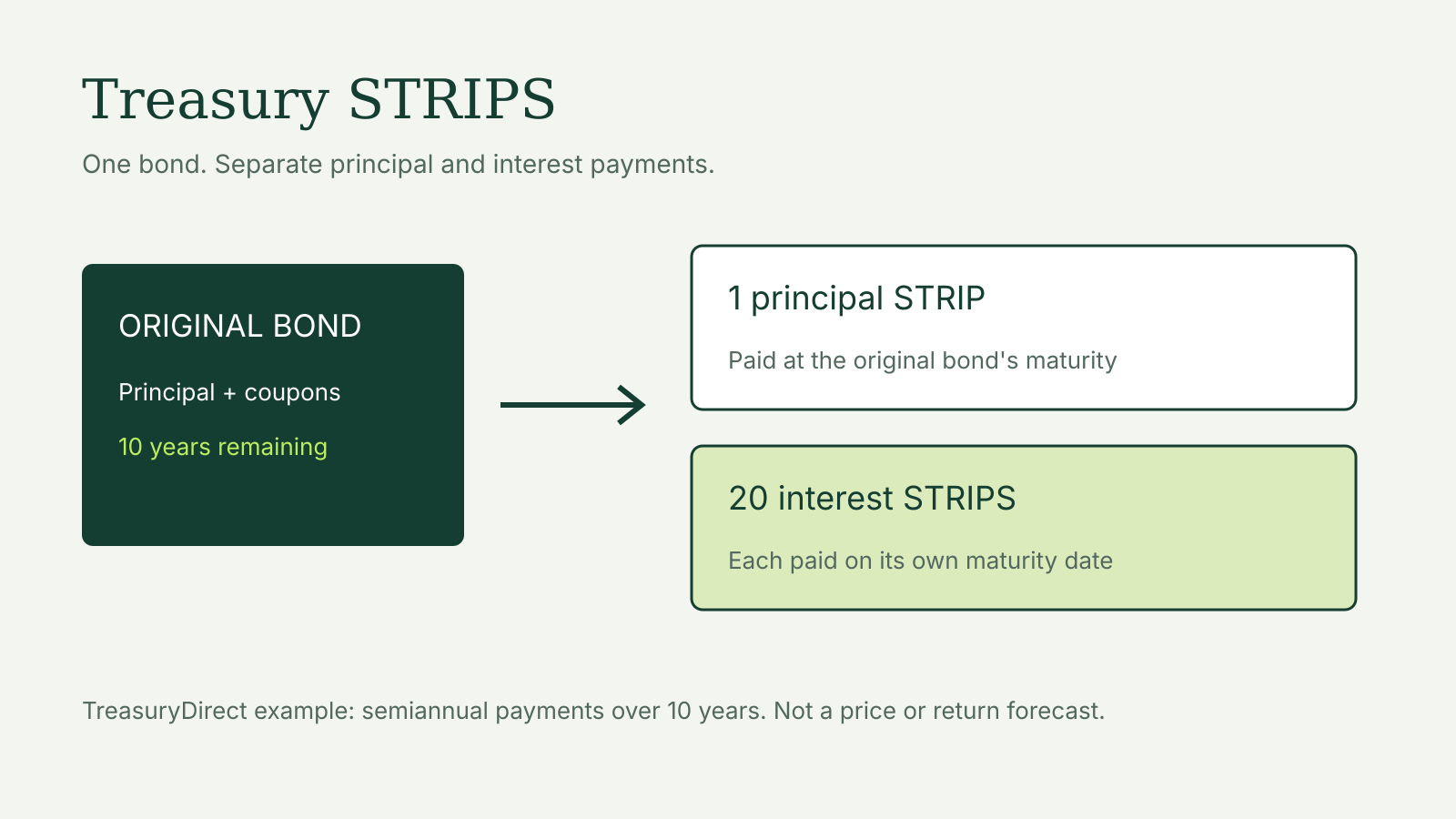
Treasury STRIPS explained: separating bond payments
How Treasury STRIPS turn principal and interest into separate securities, with one payment per component.
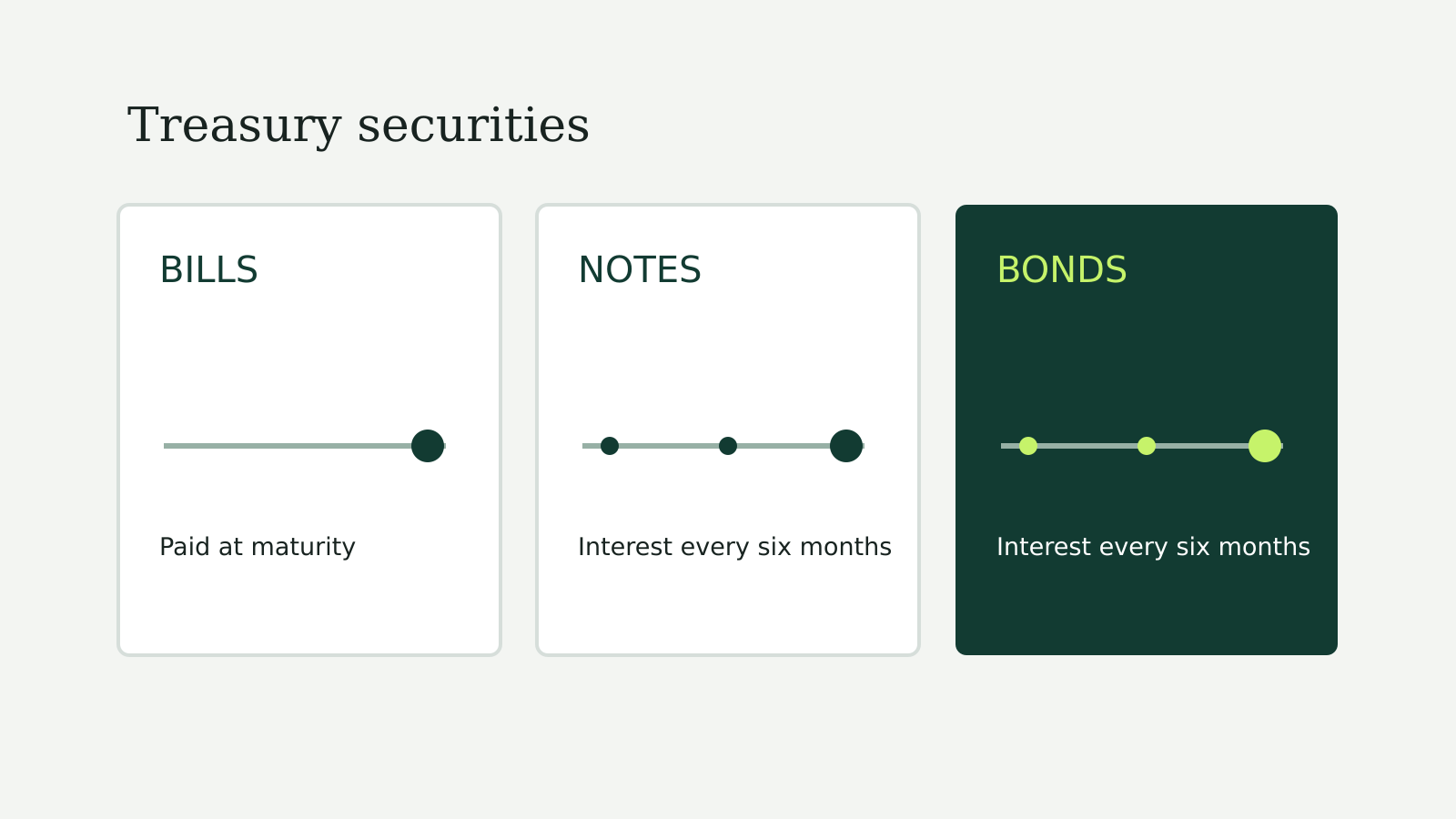
Treasury Bills vs Notes vs Bonds: Terms and Payments
Compare Treasury terms, interest payments and what happens at maturity.
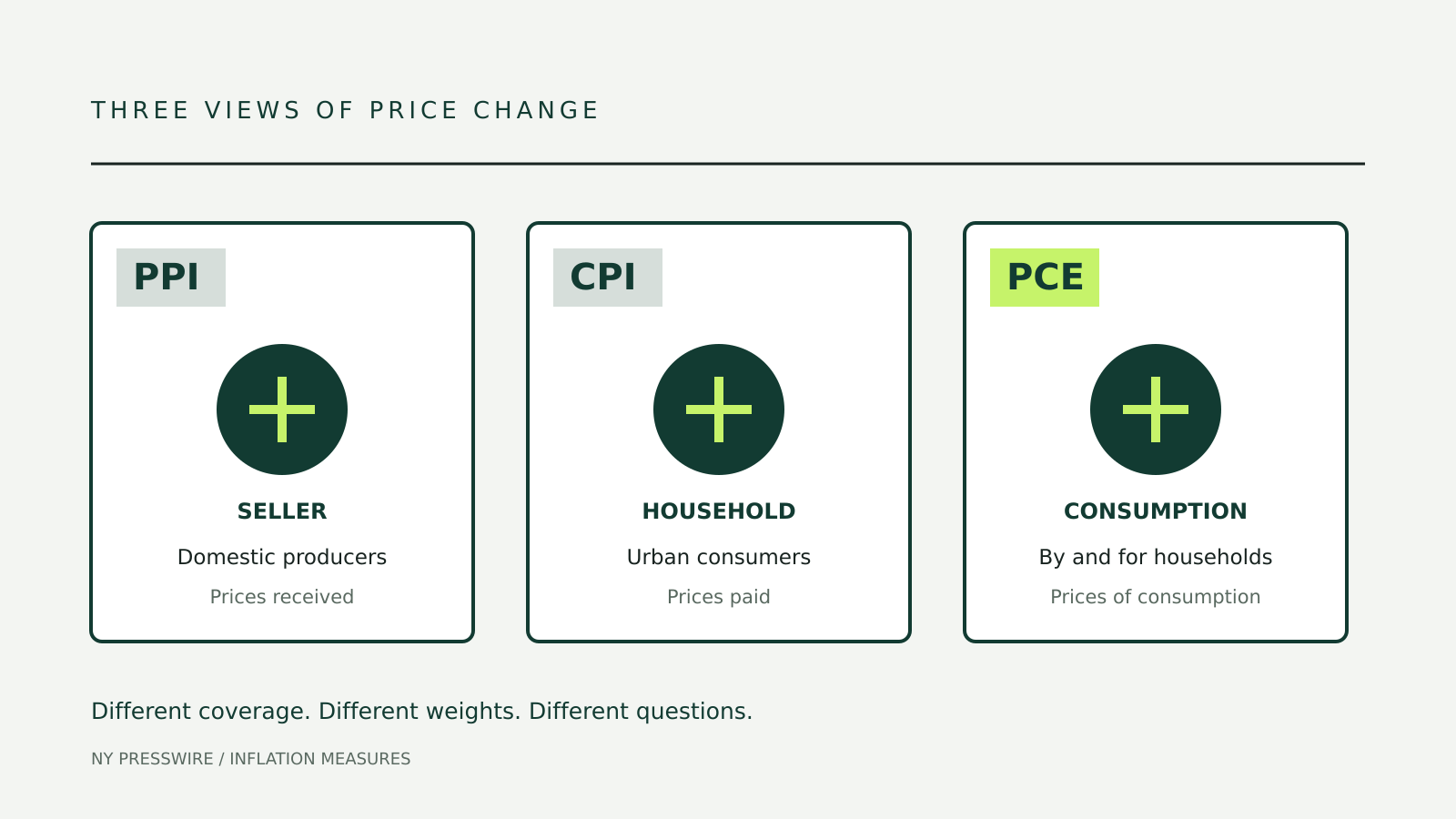
PPI vs CPI vs PCE: Three Views of US Inflation
Producer prices, household purchases and broader consumption measure different parts of US inflation.
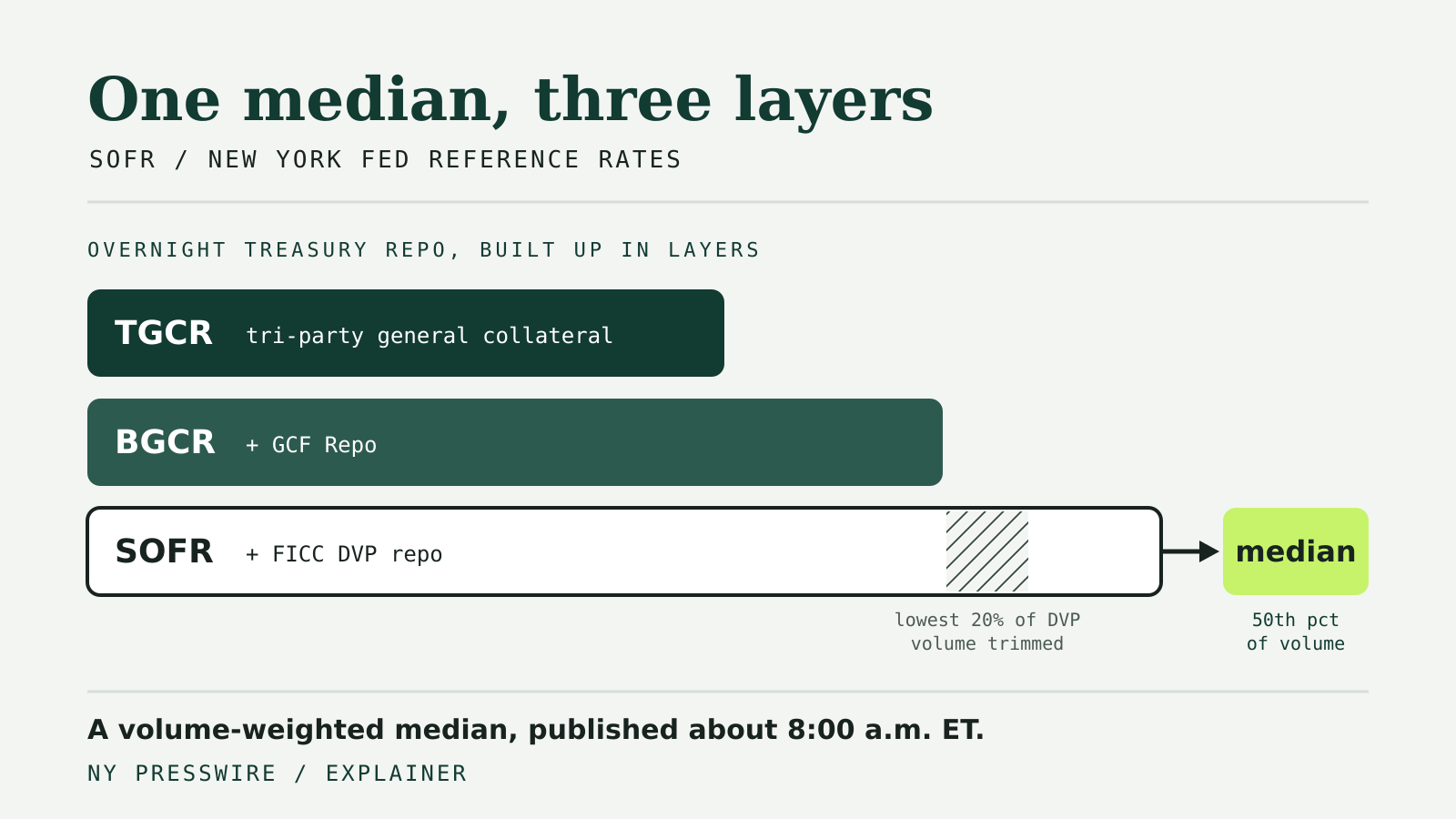
What Is SOFR? How the New York Fed Calculates It
Where SOFR comes from, how repo trades become a volume-weighted median, and how the averages and index work.
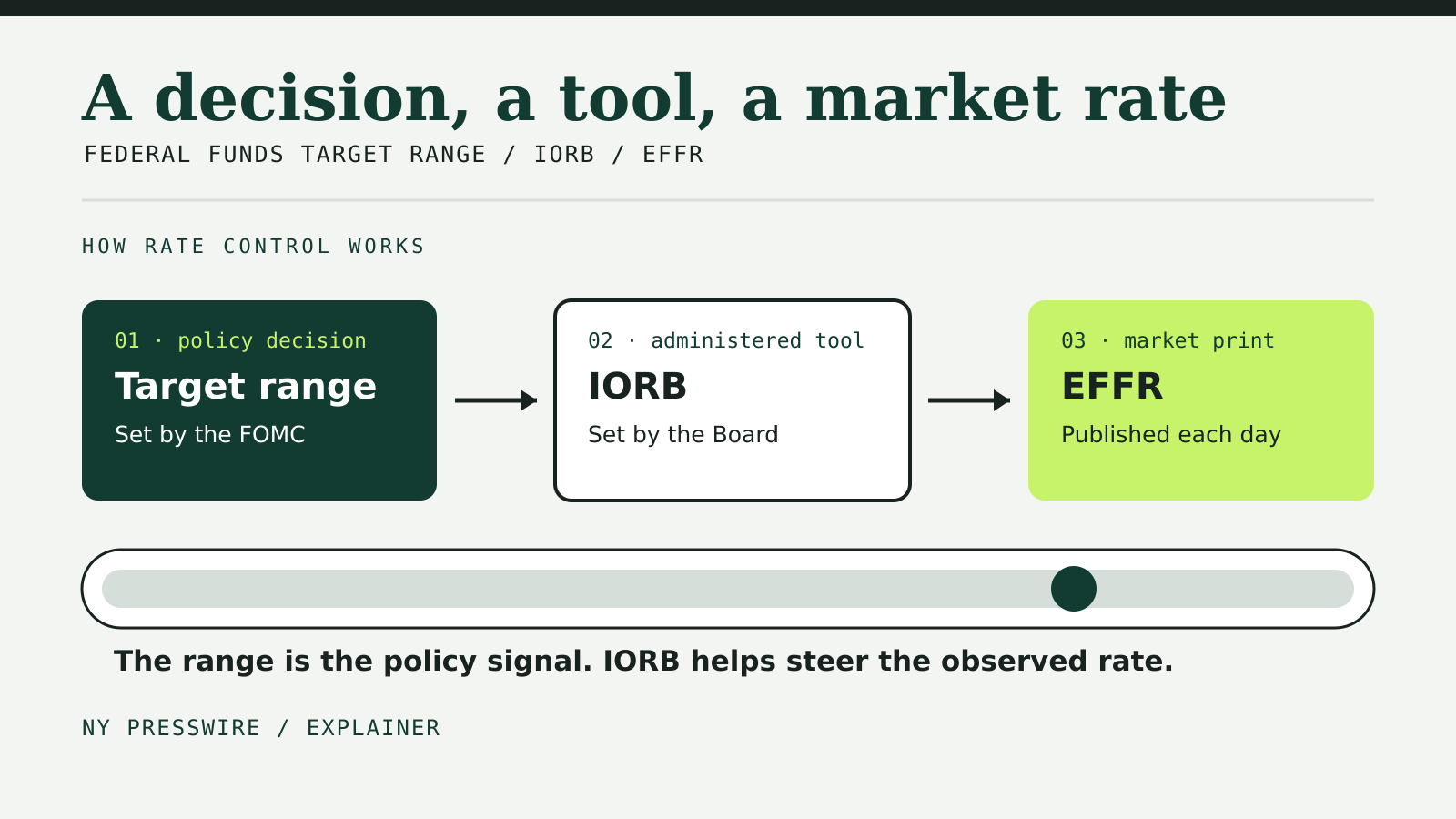
Federal Funds Target Range vs Effective Rate
The target range is the Fed's policy signal, IORB is an implementation tool and EFFR is the observed market rate.
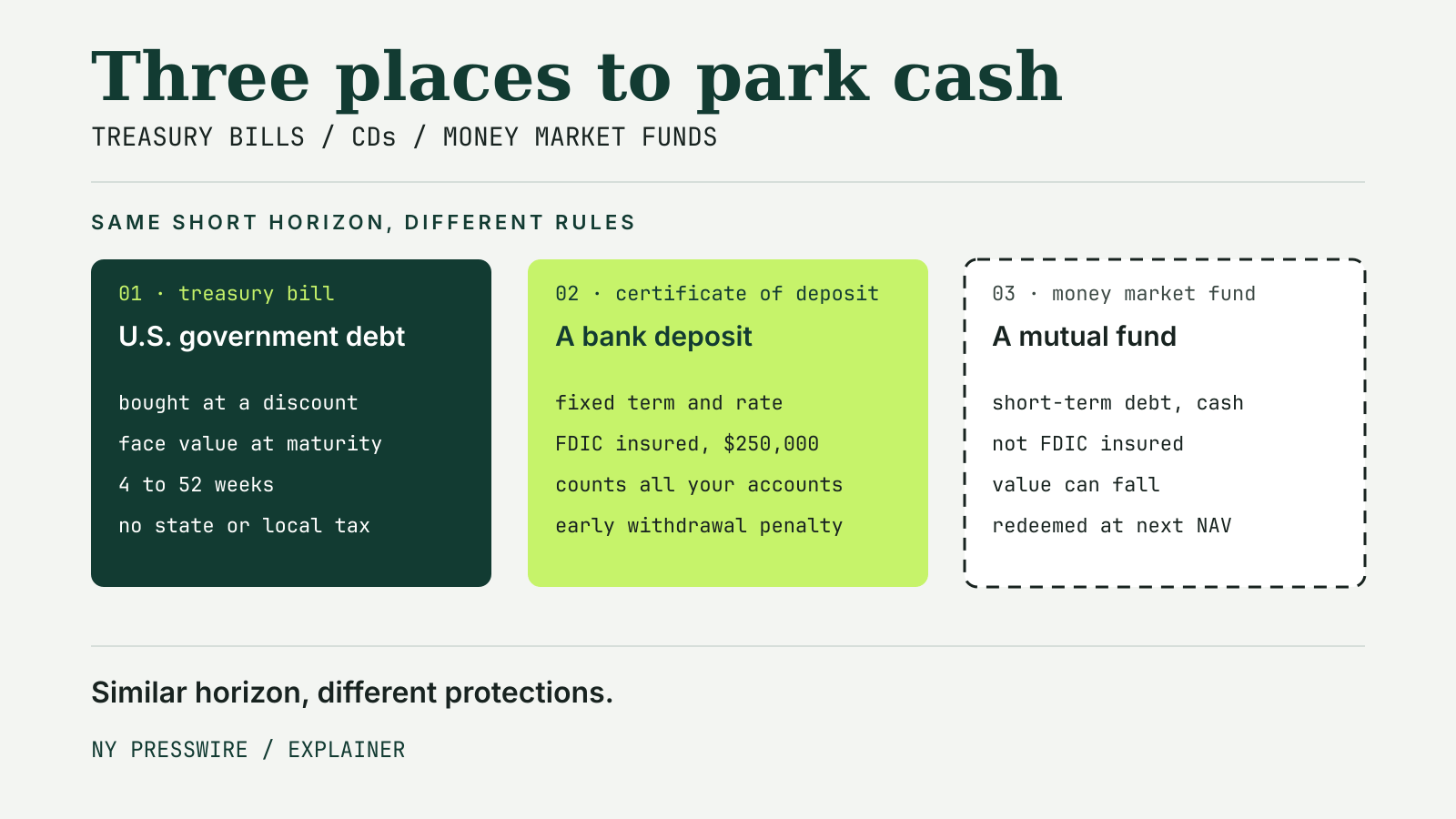
Treasury Bills vs CDs vs Money Market Funds: How Each One Works
A Treasury bill is government debt, a CD is a bank deposit and a money market fund is a fund. Here is what that changes.
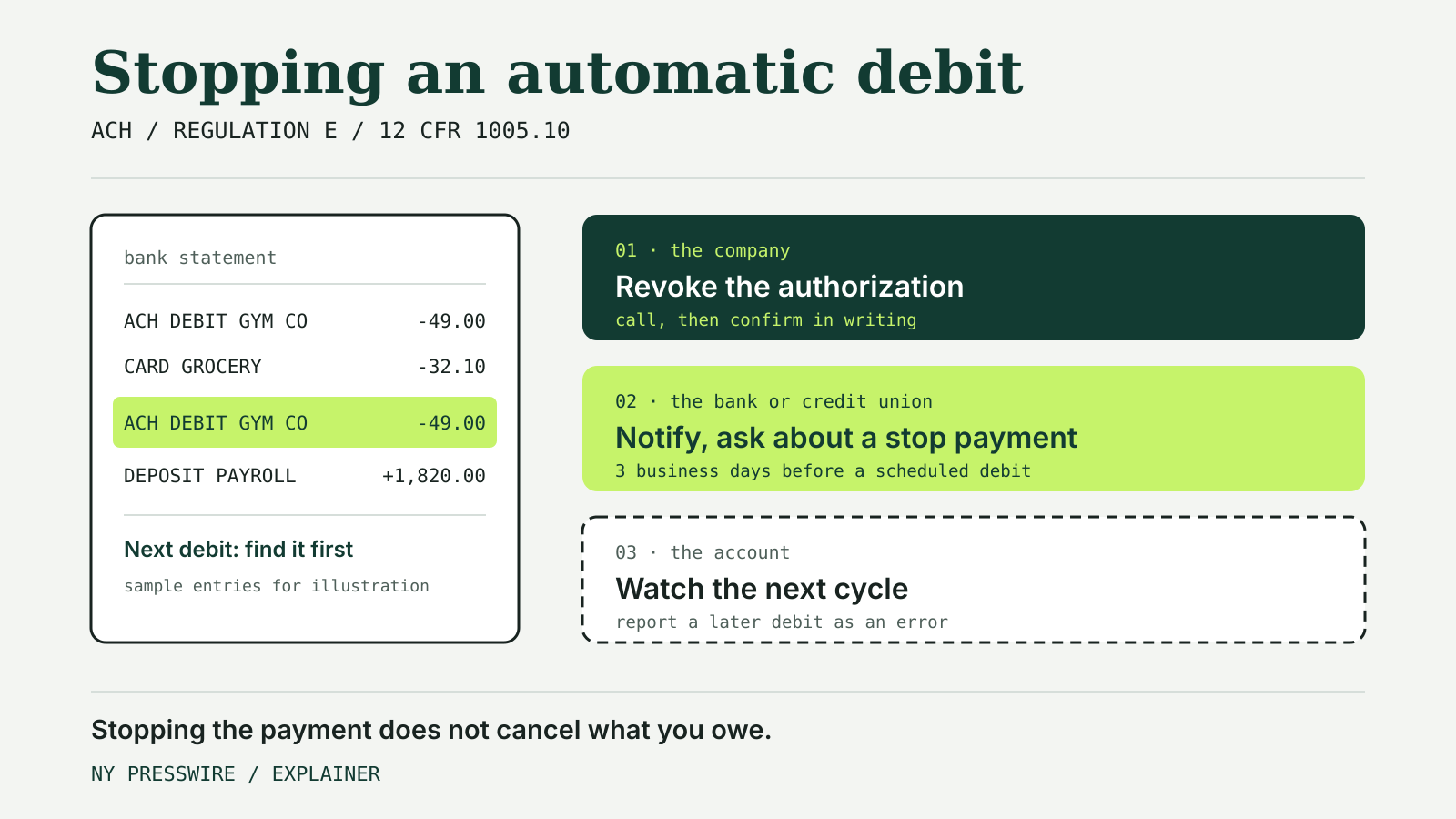
Stopping ACH Automatic Payments: A Step-by-Step Guide
A practical CFPB-based guide to revoking ACH authorization, notifying your bank and keeping the debt separate.
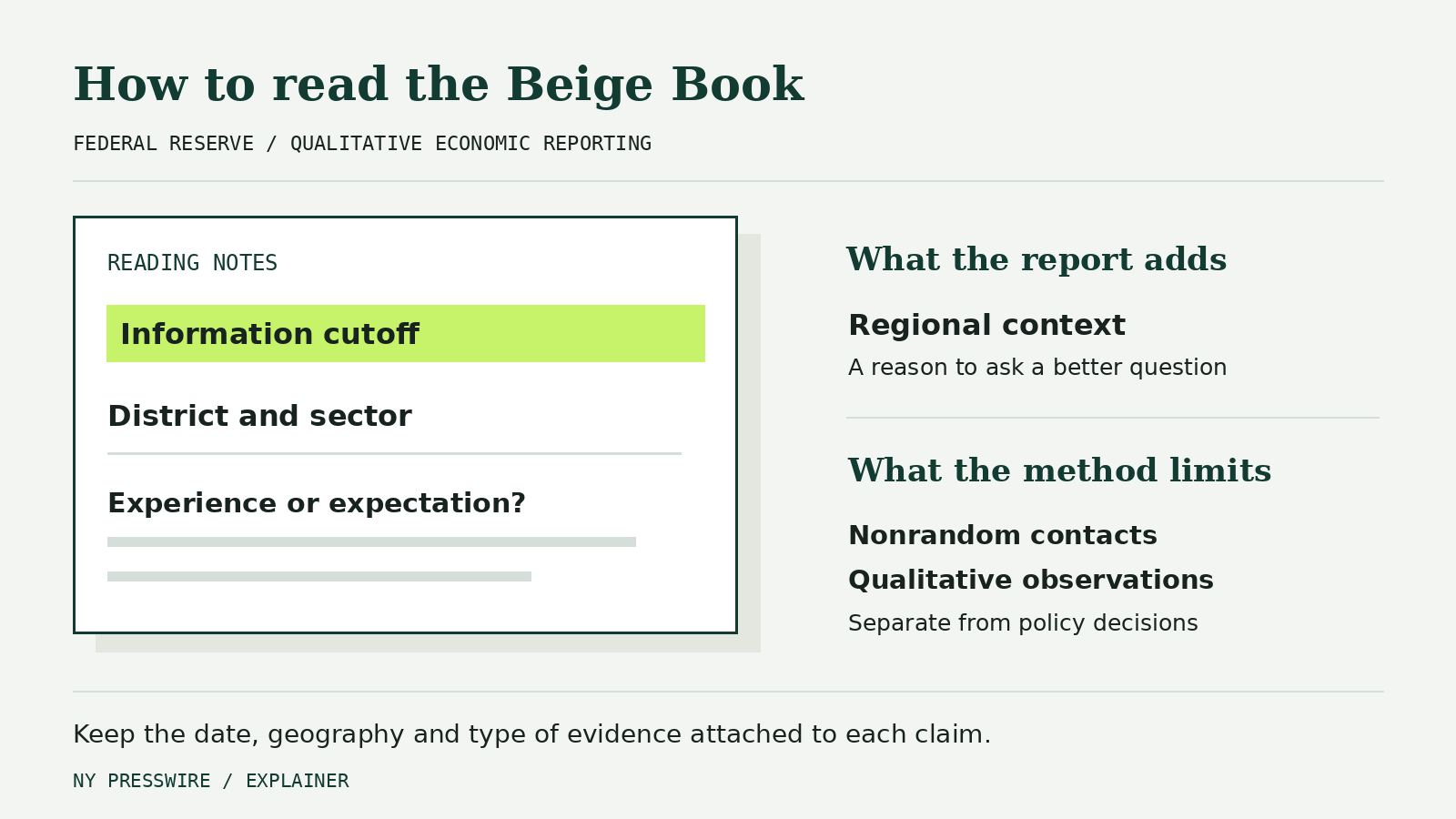
What Is the Fed Beige Book? How to Read Its Evidence
Read the Beige Book as regional evidence with dates, context and clear limits.
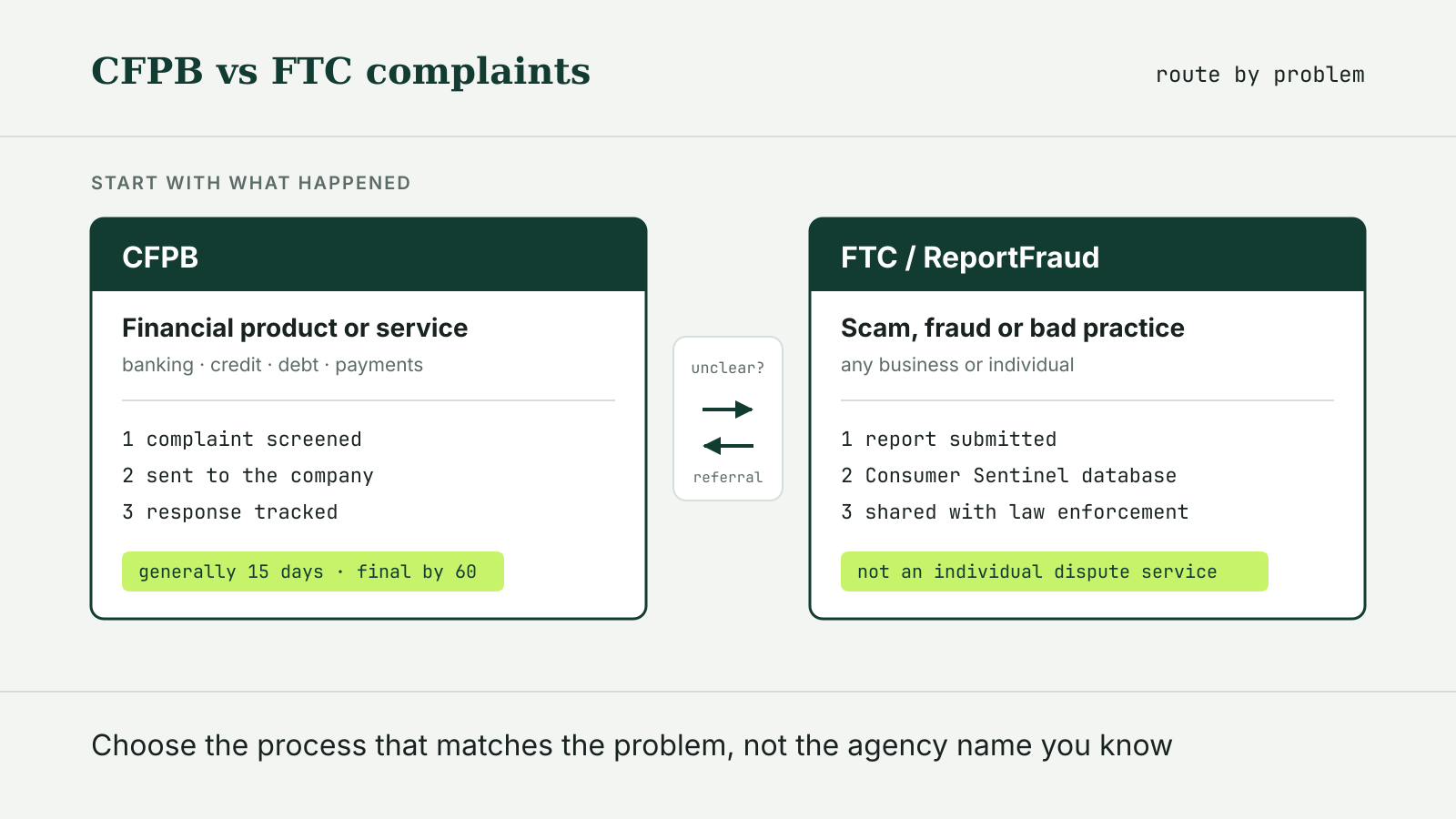
CFPB vs FTC Complaints: Where to Report a Problem
Use the CFPB for financial product complaints; use ReportFraud for scams and bad business practices.
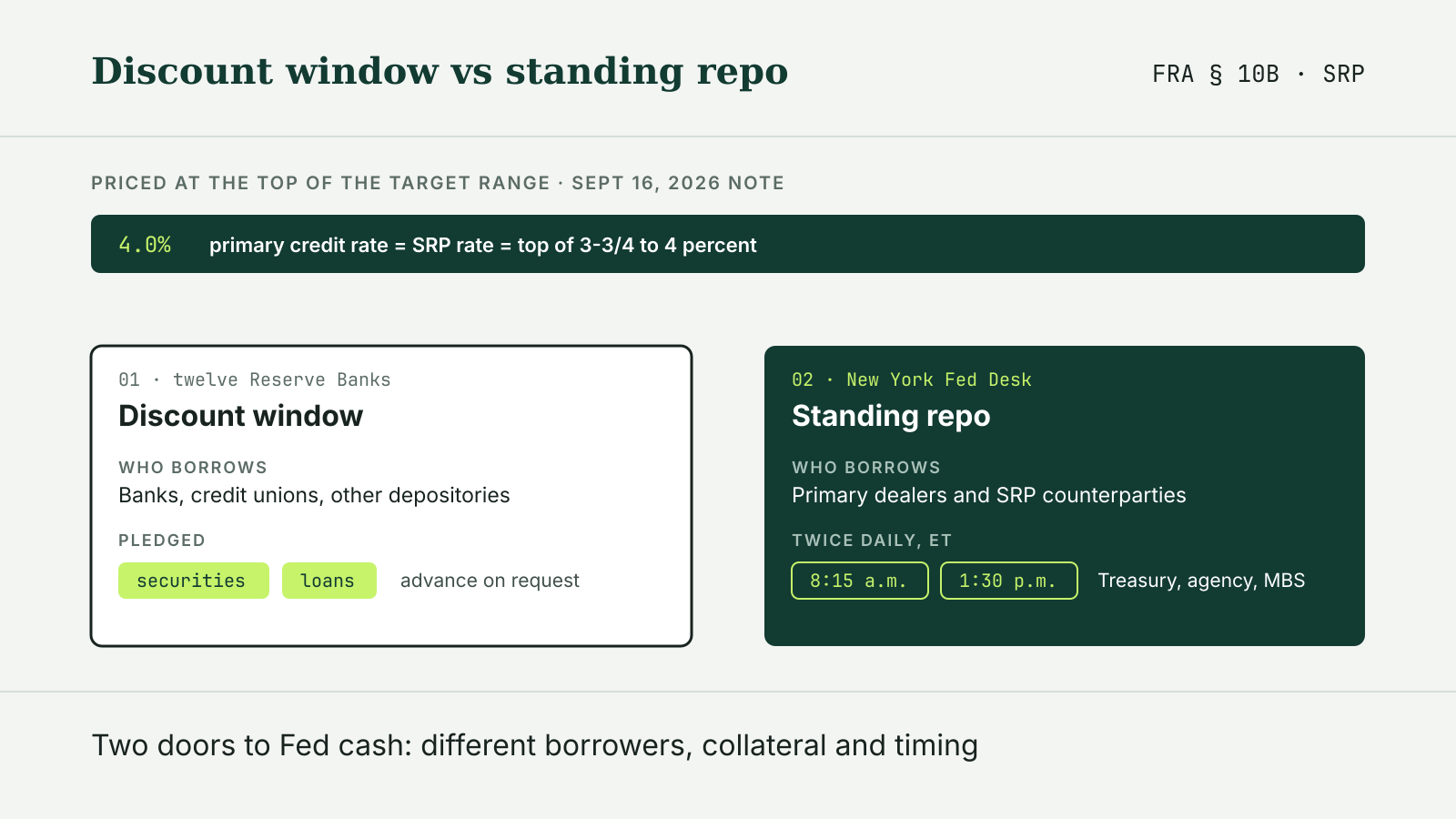
Discount Window vs Standing Repo Facility: The Fed's Two Backstops
Who can borrow, what they pledge and how each is priced: the Fed's discount window and standing repo side by side.
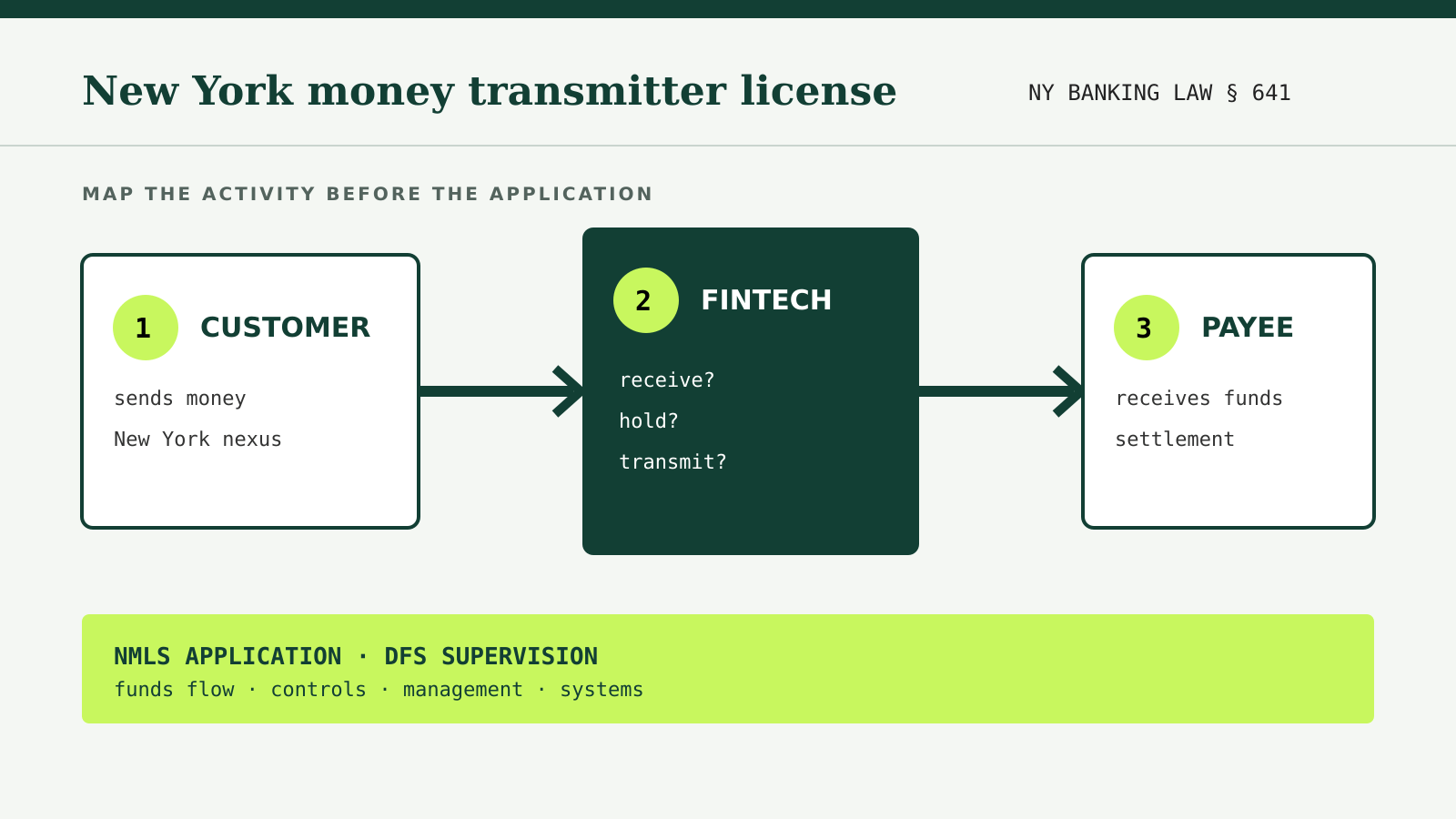
When a Fintech Needs a New York Money Transmitter License
A guide to New York money transmitter licensing, NMLS applications, funds-flow analysis, and DFS supervision.
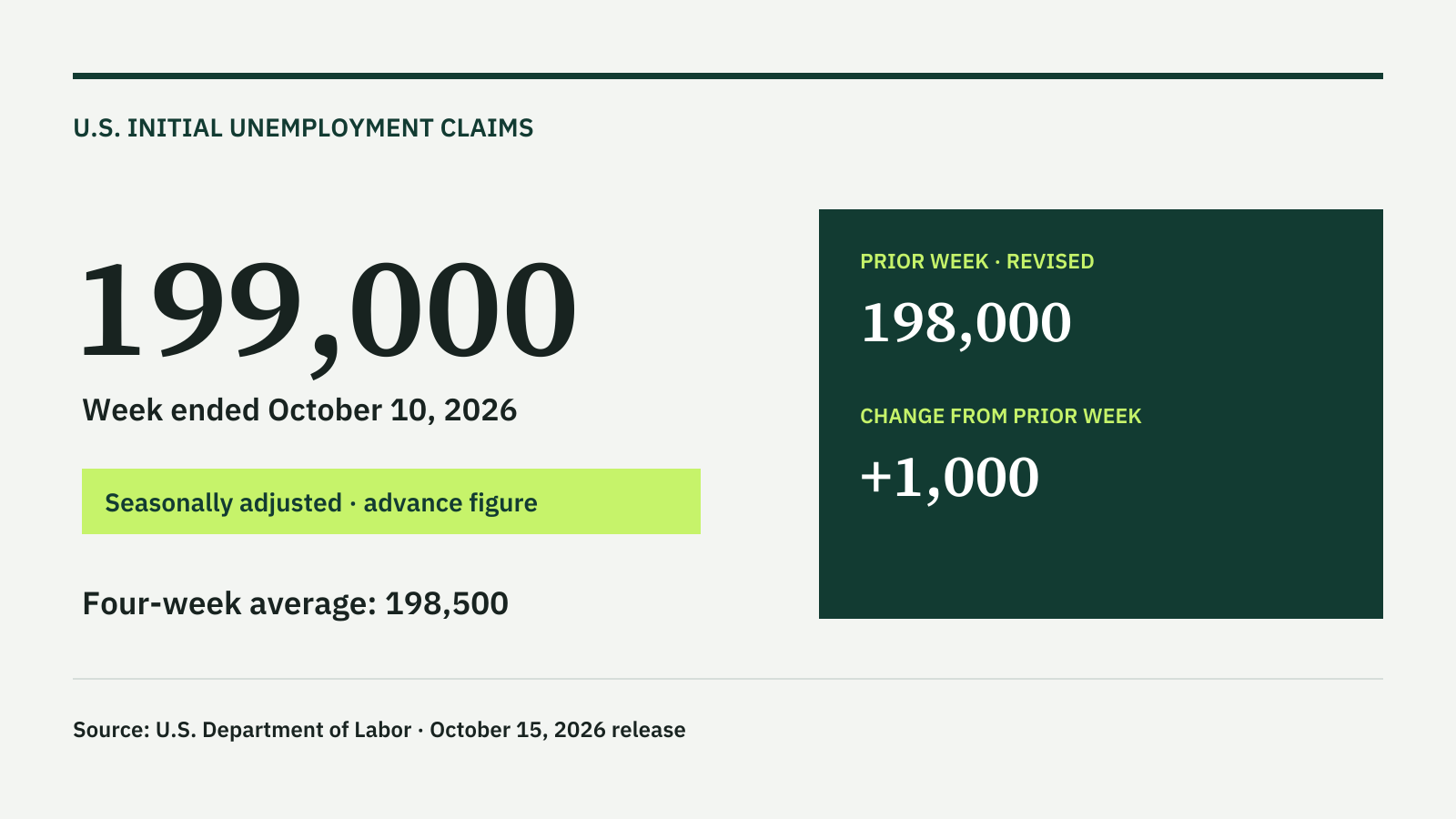
U.S. Initial Jobless Claims Rise to 199,000
The October 15 release puts initial claims 1,000 above the revised prior week; continuing claims cover an earlier week.
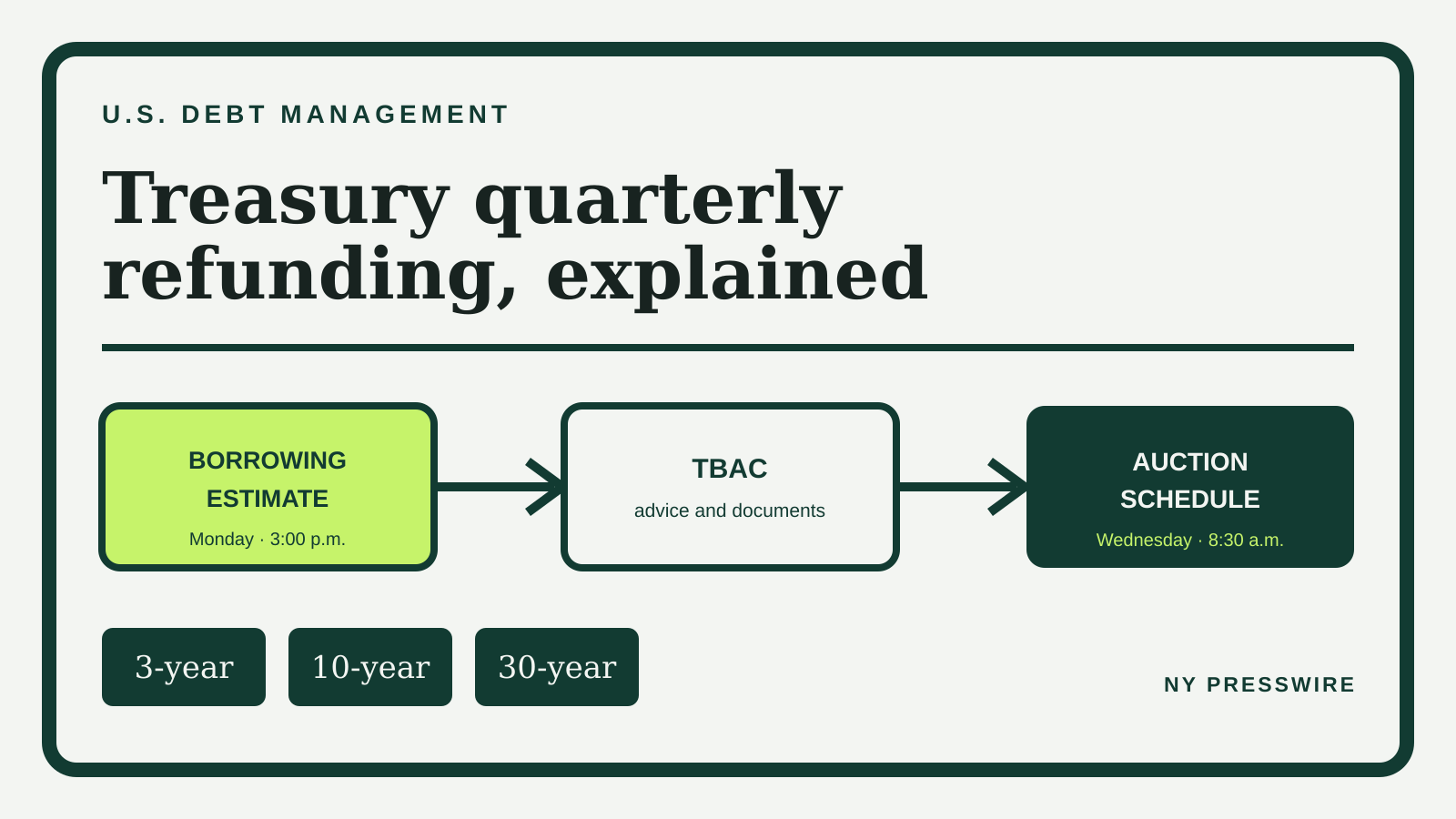
How Treasury Quarterly Refunding Works
A practical guide to Treasury borrowing estimates, TBAC materials and the auction package.
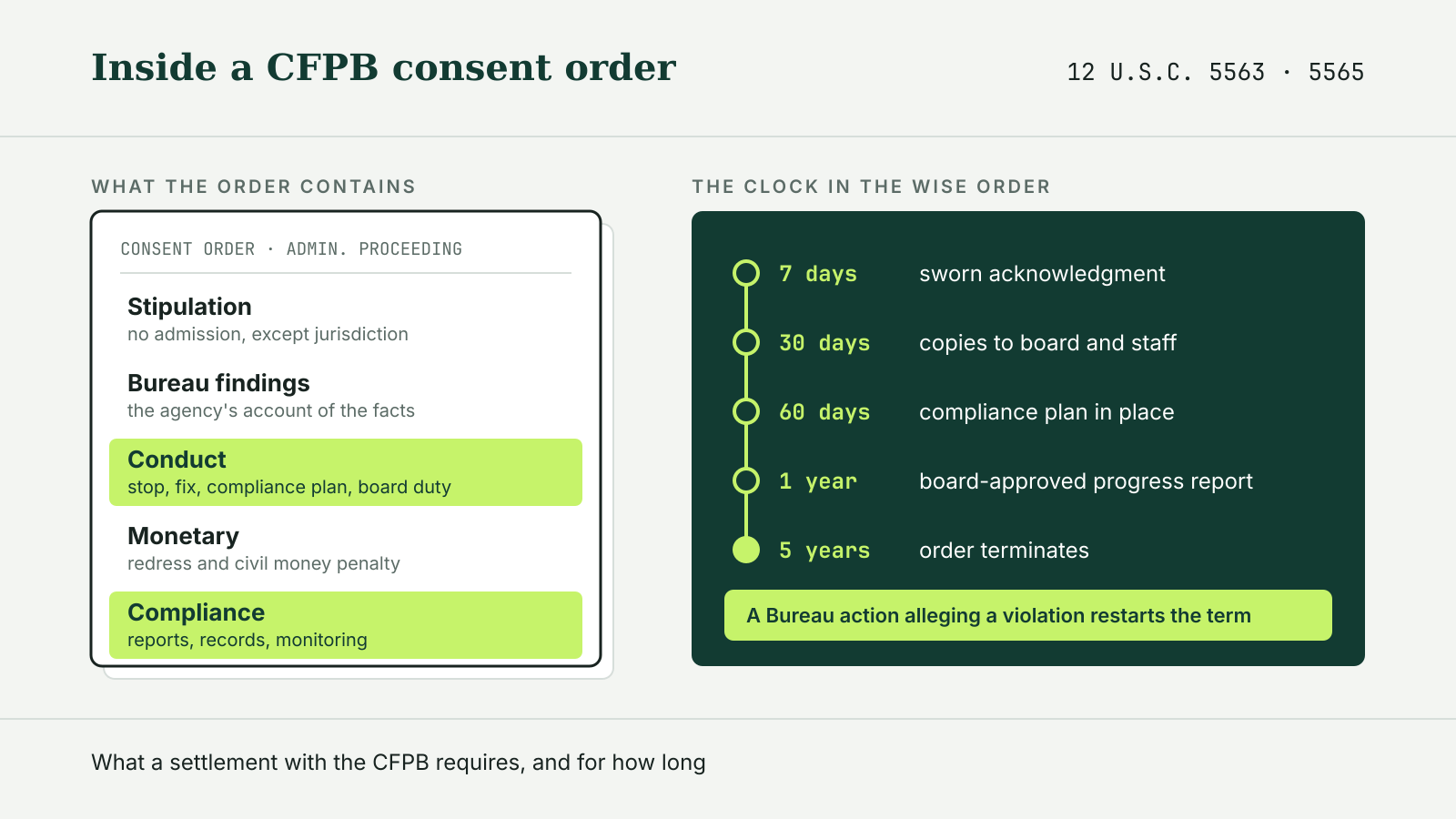
What Is a CFPB Consent Order? Terms and How Long It Lasts
What a CFPB consent order requires of a company's board and compliance team, and when it ends.
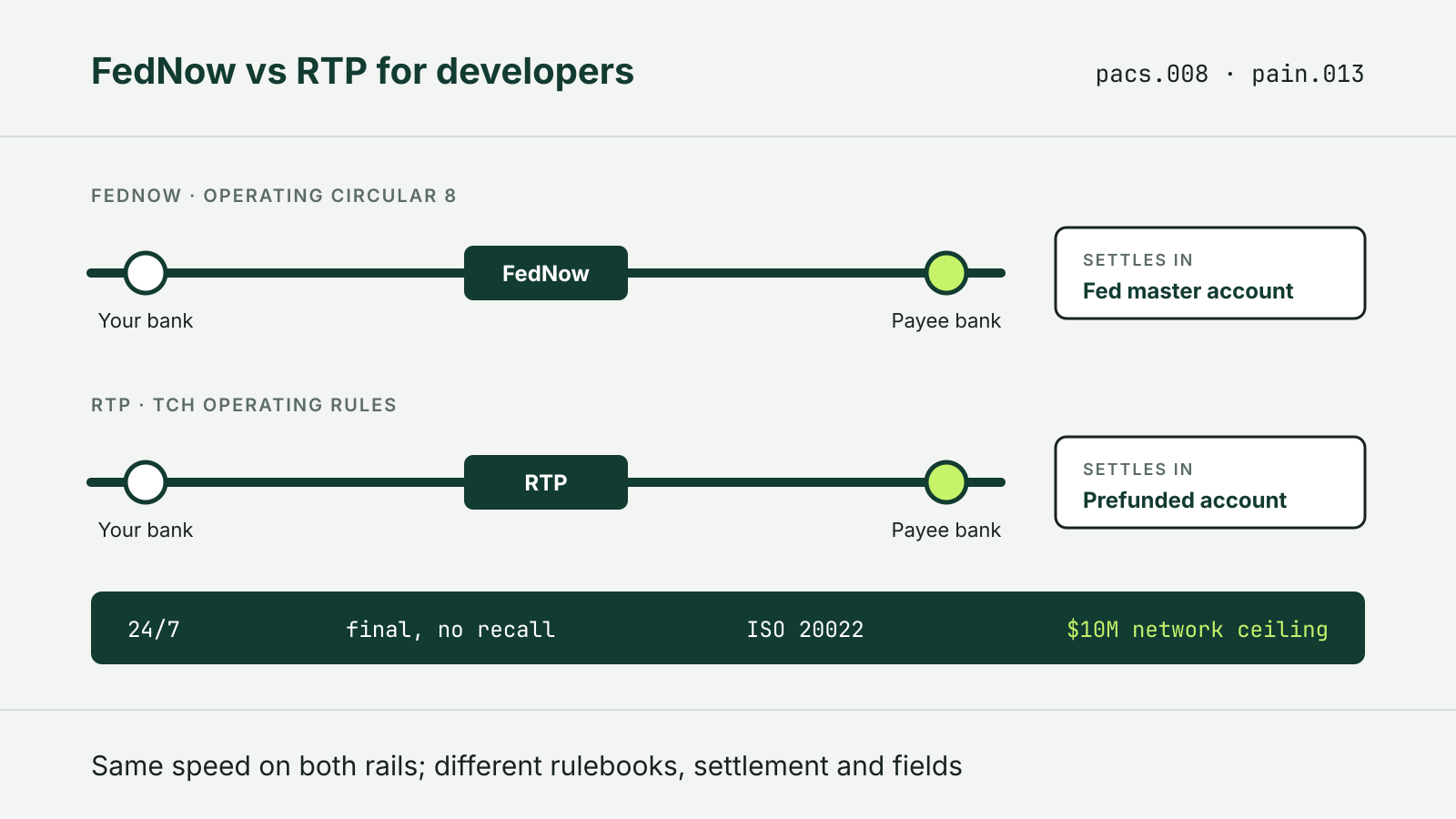
FedNow vs RTP for Developers: Two Instant Rails, Two Rulebooks
FedNow and RTP both settle instantly, 24/7. Their rulebooks, settlement, naming rules and fees differ.
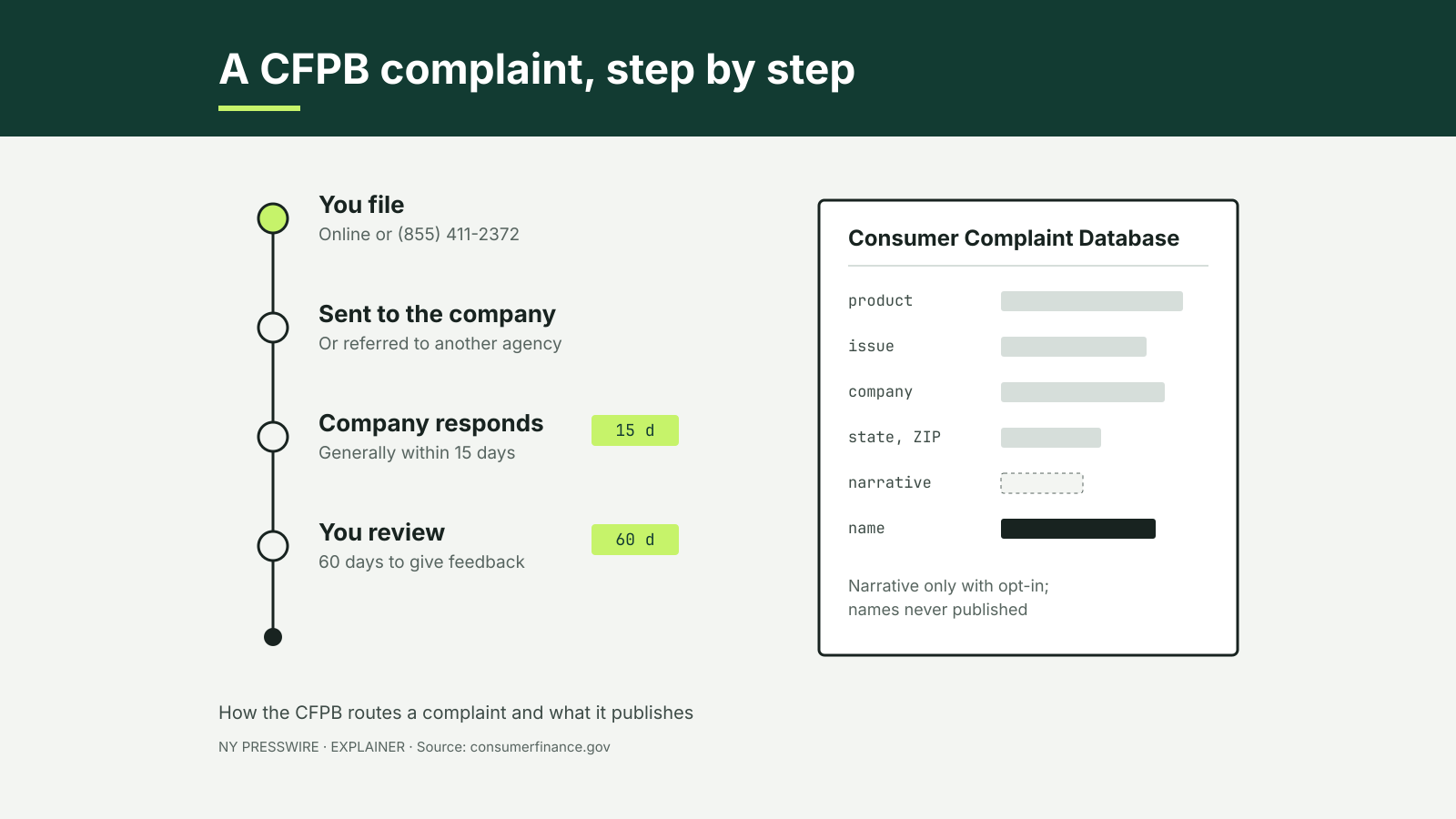
How to File a CFPB Complaint, and What Happens Next
Filing steps, response deadlines, what the public database shows and how complaints differ from enforcement.
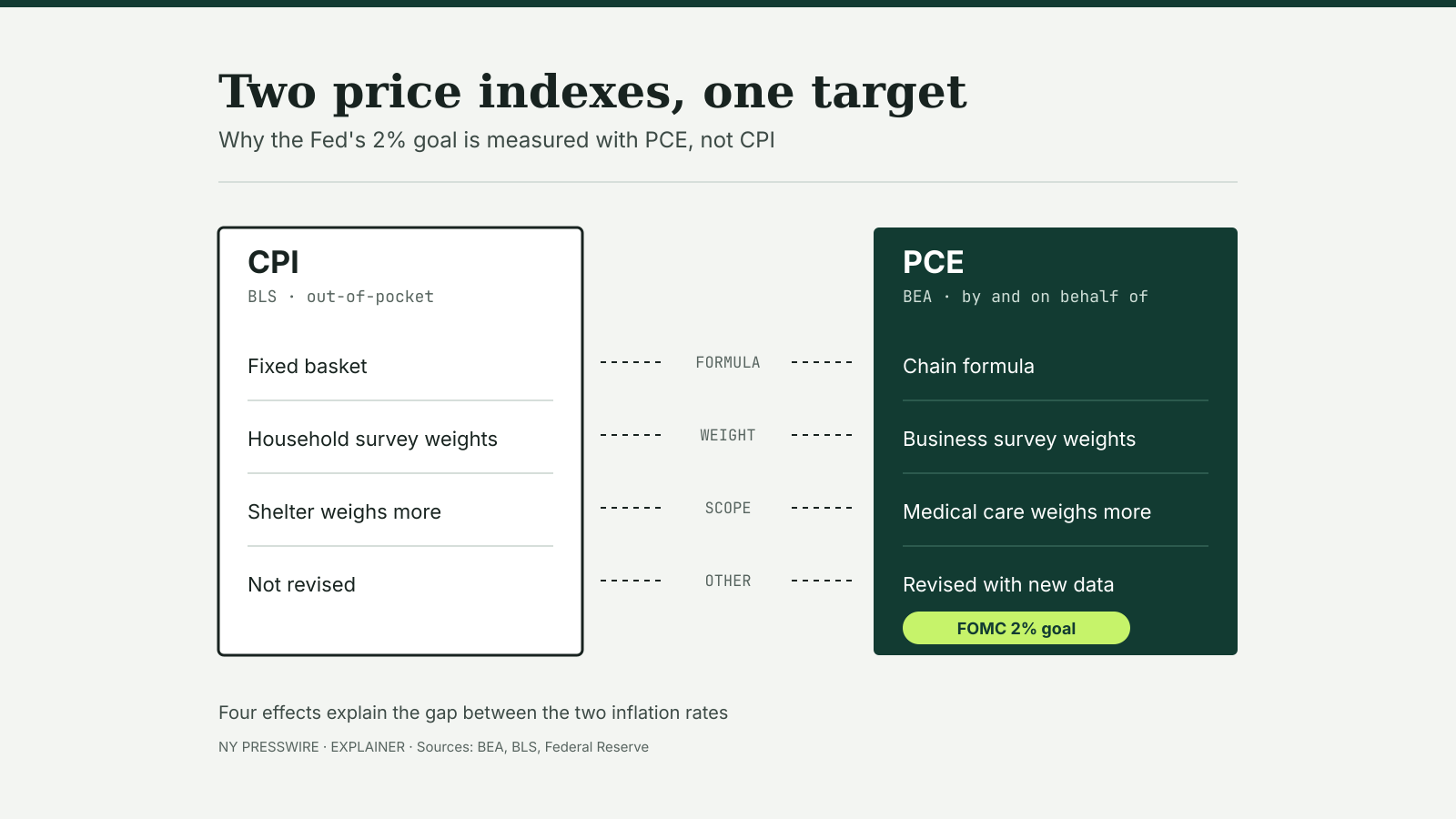
PCE vs CPI: Why the Fed Targets a Different Inflation Gauge
Formula, weights and scope explain why PCE inflation usually runs below CPI, and why the Fed's 2% goal uses PCE.
Establishment vs household survey: US jobs data
The payroll and household surveys measure different populations, so monthly estimates can diverge.
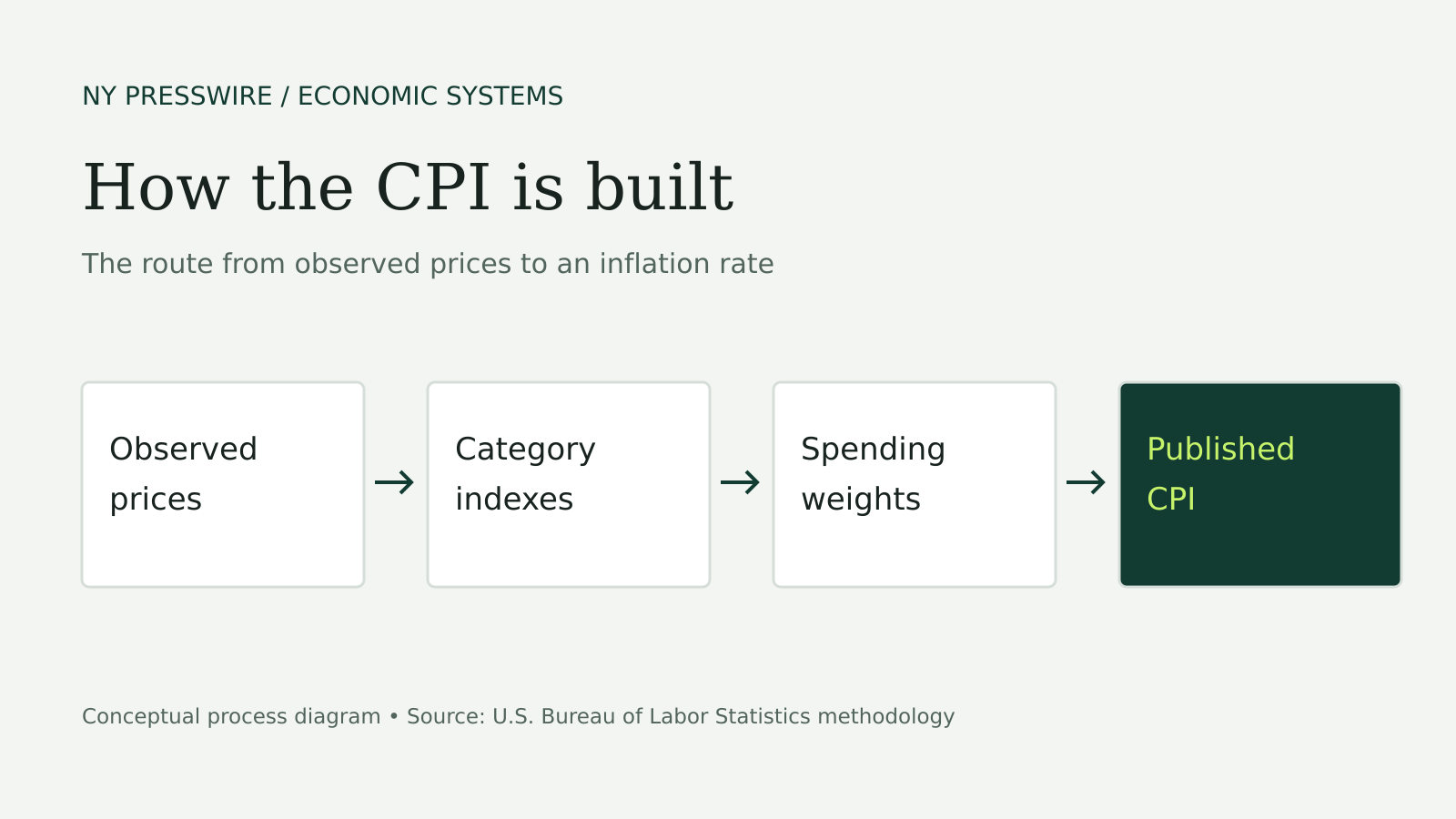
How CPI Is Calculated: Prices, Weights and Inflation
How sampled prices and household spending weights become the monthly US Consumer Price Index.
Fintech coverage examines the route between a payment instruction and money a recipient can actually use. We explain transfer fees, currency conversion, settlement, account requirements, and the interfaces that make financial services accessible. The focus is on understanding a product’s terms and dependencies before interpreting its promises about speed or convenience.
Our opening guide traces a cross-border payment from funding to payout, showing where costs and waiting can enter the process. Future coverage will follow meaningful changes in payment services and infrastructure, supported by documentation and official sources. Readers interested in digital settlement can continue to Crypto, while Tech covers the identity and security systems behind financial apps. Send questions or suggested corrections through Contact.